This post may include affiliate links. We do earn a commission for products purchased using these links (at no additional cost to you). Thank you for supporting Swing Yard, making the content you see on this blog possible. For more information, please see our privacy policy for details.
*Read our review guidelines.
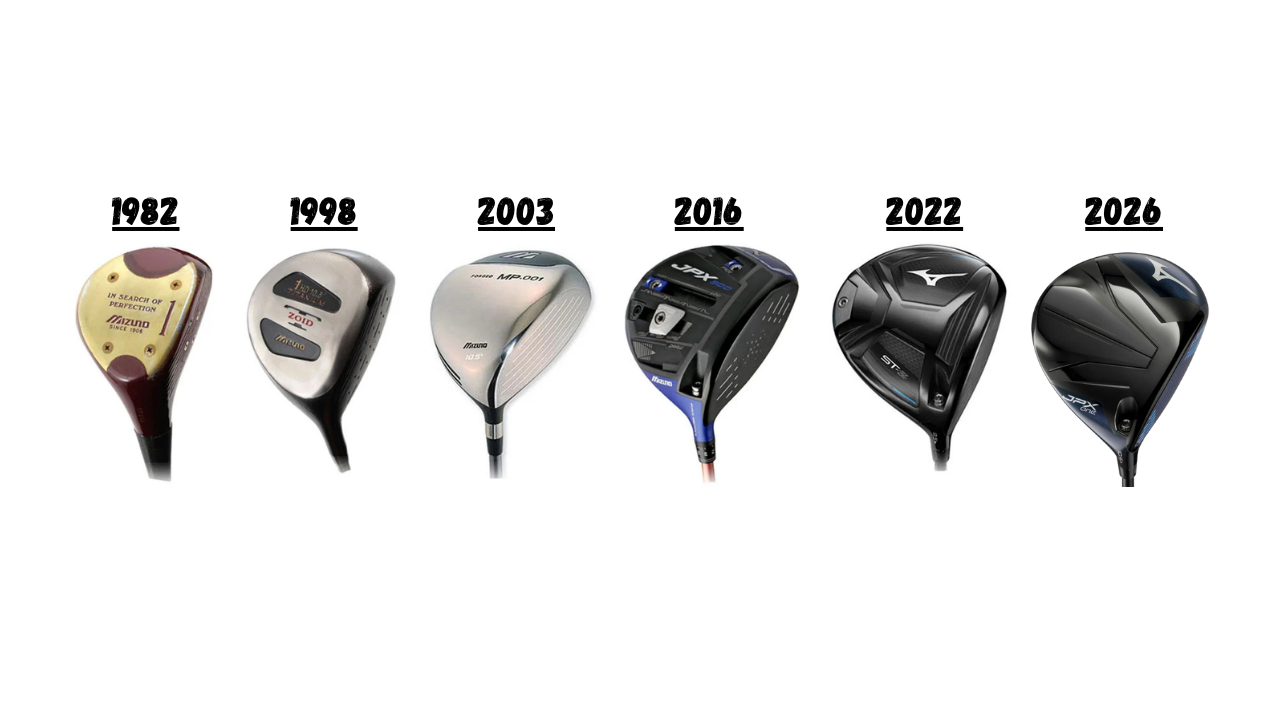
Mizuno Drivers by Year Table:
| Year Released | Mizuno Driver Model | Key Innovation / What Changed | Price / Where to Buy |
|---|---|---|---|
| 2026 | JPX ONE | Mizuno’s most technologically advanced driver, featuring a new Amplified Wave Sole and AI-optimized face for maximum ball speed and forgiveness. The JPX ONE targets mid-handicap players wanting Mizuno’s best distance and launch performance in a premium package. | |
| JPX ONE Select | Premium fitting-focused version of the JPX ONE with an expanded range of shaft and loft options for players who want a custom-spec approach to the JPX ONE platform. Built for golfers who prioritize a precisely fitted setup over off-the-shelf specifications. | ||
| 2024 | ST-Max 230 | Updated ST-Max with a refined carbon crown and improved Wave Sole technology for more consistent ball speed than the ST-X 230. The most forgiving driver in Mizuno’s 2024 lineup, targeting mid-to-high handicap players who want maximum distance and launch. | |
| ST-G | Draw-biased ST series driver with an internal heel-weighted design to promote a right-to-left ball flight for players who fight a fade or slice. Delivers the ST platform’s distance technology alongside built-in shot-shape correction for players who need both forgiveness and draw bias. | ||
| 2023 | ST-X 230 | Forged SP700 titanium face with an updated Wave Sole design for improved face flex and more ball speed than the ST-X 220. High-forgiveness head profile with a deep, low CG for easier launch targeted at mid-handicap players. | |
| ST-X 230 PLTNM | Platinum-finished premium version of the ST-X 230 with a distinctive silver colorway and same internal construction as the standard model. Limited availability made this the most visually distinctive driver in Mizuno’s 2023 lineup. | ||
| ST-Z 230 | Low-spin, lower-launch counterpart to the ST-X 230 with a more compact head shape for better players who want a penetrating, workable ball flight. The ST-Z 230 uses the same SP700 titanium face technology in a profile preferred by stronger swingers and low handicap players. | ||
| ST-X 230 Women’s | Women’s version of the ST-X 230 with lighter shaft, smaller grip, and higher loft options optimized for female swing speeds. Delivers the ST-X 230’s improved Wave Sole and forgiving head profile in a women’s-specific setup for maximum distance and launch. | ||
| ST-Z 230 Women’s | Women’s ST-Z 230 delivering the low-spin, compact ST-Z platform in a women’s-specific weight and flex configuration. Targeted at female better players who want a more workable, lower-spinning option than the high-launch ST-X 230 Women’s. | ||
| 2022 | ST-Z 220 | Low-spin ST driver with a compact head profile and an SP700 titanium face for better players who wanted a penetrating ball flight with Mizuno’s best face technology. Refined sole geometry over the original ST-Z improved turf interaction and aerodynamics through the swing. | |
| ST-X 220 | High-forgiveness counterpart to the ST-Z 220 with a larger head profile and deeper CG for more consistent launch and distance for mid-handicap players. Updated Wave Sole geometry improved face flex over the original ST-X for measurably more ball speed. | ||
| ST-G 220 | Draw-biased version of the ST-220 series with heel-shifted weighting to promote a right-to-left ball flight. Offered players in the 2022 lineup a slice-correcting option within the ST platform without sacrificing the ST series’ distance performance. | ||
| 2021 | ST-Z | Launched the modern ST naming convention with the ST-Z as Mizuno’s low-spin, tour-oriented driver featuring an SP700 titanium face for maximum ball speed in a compact shape. Replaced the ST190 as the better-player’s choice within the Mizuno driver lineup. | |
| ST-X | High-forgiveness companion to the ST-Z with a larger head profile, deeper CG, and the same SP700 titanium face for mid-handicap players wanting Mizuno’s face speed technology in a more accessible package. The ST-X established the X/Z split that would define Mizuno’s driver lineup going forward. | ||
| ST-G | Draw-biased ST driver with heel-biased internal weighting to promote a consistent right-to-left ball flight for players fighting a fade or slice. Offered the same SP700 titanium face performance as the ST-Z and ST-X with built-in shot-shape correction. | ||
| 2020 | ST200 | Introduced a new SP700 titanium face construction for the first time in a Mizuno driver, delivering significantly more ball speed than the prior ST190 through the superior flex characteristics of the SP700 alloy. A landmark step forward in Mizuno driver technology that set the foundation for the modern ST platform. | |
| ST200G | Draw-biased ST200 with heel-weighted internal mass promoting a right-to-left ball flight alongside the new SP700 titanium face technology. Combined Mizuno’s landmark face speed upgrade with built-in slice correction for mid-to-high handicap players. | ||
| ST200X | Maximum forgiveness version of the ST200 with a larger head profile and higher-launch design for mid-to-high handicap players. Delivered the SP700 titanium face’s speed gains in the most accessible and forgiving configuration Mizuno offered in 2020. | ||
| 2019 | ST190 | Low-spin, compact driver for better players with a refined carbon crown and improved internal weighting over the GT180. Targeted tour and scratch players who wanted a penetrating ball flight with a traditional, compact head profile. | |
| ST190G | Draw-biased version of the ST190 with heel-shifted weighting for players who fought a fade or slice. Offered the ST190’s low-spin, compact design with built-in right-to-left shot-shape correction for better players who needed trajectory assistance. | ||
| 2018 | GT180 | Transitional driver bridging the JPX and modern ST eras with a new carbon composite crown for improved CG positioning over the ST180. Represented Mizuno’s sharpest driver engineering to that point, pushing CG lower and deeper than prior designs for better launch and more consistent distance. | |
| 2017 | ST180 | Launched the ST naming convention with a multi-material construction combining a titanium face with a carbon composite crown for improved CG over the JPX900. The ST180 marked Mizuno’s clearest statement yet that serious driver technology was a priority for the brand. | |
| 2016 | JPX900 | Final JPX-series driver before the ST platform launched, featuring a refined titanium face and updated sole geometry for improved ball speed and aerodynamics over the JPX850. The JPX900 was the most complete driver Mizuno had produced to that point within the JPX family. | |
| JPX EZ | Easy-launch companion driver within the JPX900 generation with a wider sole and deeper CG for high-handicap and moderate-swing-speed players. Offered the most accessible and highest-launching JPX driver in the 2016 lineup for players who prioritized ease of launch over tour-caliber performance. | ||
| 2015 | JPX850 | Updated JPX driver with refined face geometry and improved internal weighting over the JPX825 for more consistent ball speed. Targeted mid-handicap players wanting reliable distance and forgiveness in a traditional titanium driver package. | |
| 2013 | JPX825 | Mid-range JPX driver with an updated titanium face for improved ball speed consistency over prior JPX generations. Positioned for mid-to-high handicap players who wanted Mizuno quality in an accessible, forgiving driver format. | |
| JPX EZ | Dedicated easy-launch JPX driver with a wide sole and high-offset design for high-handicap and slow-swing-speed players. One of the most accessible drivers Mizuno had produced to that point, deliberately engineered for players who needed maximum help getting the ball airborne. | ||
| 2012 | JPX800 MP650 | The JPX800 was Mizuno’s primary game-improvement driver with an updated titanium face for better distance and forgiveness at an accessible price point. The MP650 ran alongside it as a lower-spin, better-player option featuring a more compact head profile for stronger swingers. | |
| 2010 | MP630 MP630 Fast Track | The MP630 brought a multi-material construction to the MP driver series for improved CG positioning and better sound over the MP600. The Fast Track variant added a sliding sole weight for adjustable CG, making it one of Mizuno’s first drivers with meaningful adjustability. | |
| 2009 | MX700 | Game-improvement MX driver with a large titanium head and deep undercut cavity for maximum forgiveness and high launch aimed at mid-to-high handicap players. One of Mizuno’s most accessible drivers of the late 2000s, emphasizing ease of play over the precision focus of the MP line. | |
| 2007 | MP600 MX560 | The MP600 was a tour-oriented titanium driver with a compact head and low-spin profile for better players, while the MX560 offered a larger, more forgiving head for mid-handicap golfers. Together they reflected Mizuno’s dual-track approach of serving both tour-level and recreational players within a single product cycle. | |
| 2005 | MX500 | Mid-size titanium driver with an improved face design for more consistent ball speed over the MP001 era drivers. The MX500 represented Mizuno’s effort to expand beyond its iron-focused identity by offering a credible game-improvement driver to a broader range of players. | |
| 2003 | MP001 (370cc) MP001 (400cc) | Two-volume approach offering players a choice between a compact 370cc head for workability and a larger 400cc head for forgiveness within the same model family. Mizuno’s first serious foray into premium driver design, establishing that the brand’s precision engineering extended beyond irons. | |
| 2002 | 300S II | Updated 300-series stainless driver with improved face geometry over the original for better distance consistency. An early attempt by Mizuno to compete more seriously in the driver market before the MP and MX series took over as the primary driver platforms. | |
| 2000 | T-Zoid Forged Titanium | Forged titanium construction using a more refined manufacturing process than the prior cast T-Zoid Titanium for improved face consistency and feel. One of the earliest premium forged titanium drivers in Mizuno’s catalog, demonstrating the brand’s manufacturing capability beyond traditional cast construction. | |
| 1998 | T-Zoid Titanium | Mizuno’s first full titanium driver, introducing the T-Zoid name and marking the brand’s entry into the premium titanium driver market that was transforming the industry. The T-Zoid Titanium gave Mizuno players access to titanium’s larger head size and better forgiveness for the first time. | |
| 1994 | World Master TP | Tour Performance driver targeting better players with a compact head shape and low-spin profile in Mizuno’s early 1990s driver lineup. Reflected the brand’s primarily tour and low-handicap focus at a time when Mizuno’s driver credibility was still primarily built on its iron reputation. | |
| 1993 | TPW 19 Hot Metal | Hot metal construction driver designed for more ball speed than conventional steel through a harder face material. Part of Mizuno’s early 1990s experimentation with face materials and construction methods as the golf equipment industry began exploring alternatives to traditional persimmon and steel designs. | |
| 1992 | TPW Big TPW 18 | The TPW Big introduced a larger-than-standard head profile for improved forgiveness in Mizuno’s early 1990s lineup, while the TPW 18 offered a traditional compact shape for better players. Both reflected Mizuno’s early exploration of how head size affected forgiveness and playability for different player types. | |
| 1991 | TPAW | Tour Performance All Wood driver marking one of Mizuno’s earliest dedicated metal wood designs as the industry transitioned away from persimmon. The TPAW reflected Mizuno’s recognition that metal wood construction was becoming the standard and that the brand needed a credible offering in the new format. | |
| 1990 | Ti-110 Ti-120 | Early titanium composite drivers exploring the use of titanium materials before full titanium heads became the industry standard. The Ti-110 and Ti-120 were two of Mizuno’s earliest experiments with titanium in driver construction, establishing the technical groundwork for the later T-Zoid Titanium platform. | |
| 1989 | TP15 Hit Metal | Metal wood driver using a high-strength steel face for more ball speed than conventional drivers of the era. One of Mizuno’s earliest performance-focused metal wood designs, targeting better players who wanted the distance advantages of metal construction with a performance-oriented profile. | |
| 1988 | TP11 | Tour Performance metal wood from Mizuno’s early driver lineup, targeting scratch and low handicap players with a compact head shape and minimal offset. Represented one of the brand’s first serious attempts to establish credibility in the driver market alongside its already celebrated iron lineup. | |
| 1986 | TP5 Persimmon | Classic persimmon wood representing the traditional craftsmanship approach to driver design before metal woods took over the market. The TP5 was one of the last persimmon drivers Mizuno produced before the brand fully transitioned to metal wood construction through the late 1980s and early 1990s. | |
| 1982 | Vanguard | Early Mizuno driver from the brand’s formative years in the Western golf market, featuring traditional construction and reflecting the company’s expansion beyond its primary iron identity. The Vanguard represented one of Mizuno’s earliest driver offerings as the brand built its international equipment presence. | |
| 1933 | Star Line | The origin of Mizuno’s golf equipment history, produced in Japan decades before the brand became a global name in tour-level irons and drivers. The Star Line marks the beginning of a 90-year equipment legacy that would culminate in Mizuno becoming one of the most respected golf equipment manufacturers in the world. |
From Persimmon to Nanoalloy: The Mizuno Driver Story
Mizuno has been making golf clubs since 1933, but for most of that time, drivers were honestly an afterthought. If you know the brand, you know why — their irons are legendary. But that also means the driver lineup has a really interesting catch-up story, and once they started taking it seriously, they started making some genuinely great sticks. Here’s the full breakdown of how we got to where we are today.
Why Did Mizuno Focus on Irons Instead of Drivers?
This is one of the most common questions we get about the brand. Between 2000 and 2010, Mizuno released 26 irons but only 10 drivers. That tells you everything. Their reputation was built on forged iron craftsmanship and they leaned into it hard. They even won an award in 2001 for the eighth consecutive year as the number one producer of irons. Drivers were almost a secondary product for a long time, which is exactly why the recent generations feel like such a breakthrough.
The Early Driver Years: 1982 to 2002
Mizuno released its first driver back in 1933 with the Star Line, which was the first Japanese-made golf club ever produced. Fast forward to 1982 and things got interesting. The Vanguard became the first-ever carbon club head in golf, which was a major breakthrough. Then in 2000 the T-Zoid Forged Titanium Driver arrived, with Mizuno applying the same forged manufacturing process from their irons to the driver face for improved feel and control. A year later, the 300S Driver was used by Vijay Singh before it was released to the public. Tour validation right there.
The MP and MX Series: 2003 to 2012
The 2003 MP 001 was all about size, with a jumbo head built for maximum confidence at address, and solid value compared to the big-name brands at the time. Through this decade models like the MX 500, MX 560 and MP 600 introduced more aerodynamic designs with customization options, and the MP 630 in 2010 was followed by the MP 650 in 2012, which focused on adjustable weights to fine-tune ball flight. These were the years Mizuno started building a driver identity rather than just filling a gap in their lineup.
Get Smarter About Your Swing
Join thousands of golfers getting exclusive swing tips, club reviews, and gear guides straight to their inbox – before they hit the site.
The JPX Era: 2013 to 2016
JPX stands for “Japan Experience” and these drivers marked a real shift in ambition for Mizuno. Between 2013 and 2016 the JPX series blended power with playability through models like the JPX EZ, JPX 825, JPX 850 and JPX 900, with each generation improving on aerodynamics and face technology. The JPX 900 in 2016 was the standout of the bunch and started getting Mizuno drivers into serious consideration at fitting sessions. Then came the ST180, ST190 and ST200, which were loosely named after the years they launched in 2017-2018, 2019 and 2020.
ST-X vs ST-Z: What’s the Difference? : 2017-2024
Mizuno started it’s ST line in 2017 but then they fully revamped their driver lineup in 2021 with the ST-Z and ST-X, building a range that served both low and high handicap players depending on the model. The ST-Z is wider from front to back with a more modern elongated shape, a wide and low footprint, built for forgiveness and stability. The ST-X has a more compact head shape that tour players tend to prefer for workability. In short: ST-Z is for golfers who want forgiveness and straight ball flight. ST-X is for the player who wants to shape shots and has the game to do it.
Watch
New videos every week on our youtube channel
The JPX ONE: Is This Mizuno’s Best Driver Ever? : 2026
Genuinely, yes. The JPX ONE is the world’s first driver with a Nanoalloy face, developed with material specialists at Toray, which stores and releases more energy at impact than titanium or composite constructions. The face is up to 0.35mm thinner than previous generations, expanding the high-rebound zone by over 15% versus the ST-Max 230. There are two models: the standard JPX ONE with a larger footprint for higher MOI and a straighter ball flight, and the JPX ONE Select, a compact workable shape built for better players who want to control launch and shape shots. In testing, the JPX ONE was one of the most forgiving and best-feeling drivers of 2026, inspiring confidence at address. If you’ve ever been on the fence about a Mizuno driver, 2026 is the year to get fit for one.
Frequently Asked Questions (FAQ)
Absolutely. Mizuno drivers don’t get the same marketing spotlight as TaylorMade or Callaway, but they consistently perform at a high level. The JPX ONE was rated one of the most forgiving and best-feeling drivers in 2026 testing. The brand’s reputation for feel and craftsmanship carries directly into their driver lineup once you actually get fit for one.
It comes down to history. Between 2000 and 2010, Mizuno released 26 irons but only 10 drivers. They built their entire brand identity around forged iron craftsmanship and the driver lineup was secondary for a long time. That’s changed significantly with the ST series and now the JPX ONE, but the iron reputation is so strong it still overshadows everything else.
Less frequently than most brands, which is actually a good thing. Mizuno confirmed they had no plans to release a new driver in 2025, making the 2026 JPX ONE a three-year development project. Longer cycles mean more meaningful upgrades between generations rather than minor tweaks dressed up as a new model.
Mizuno drivers tend to drop significantly in price after their first year, often selling at nearly half the price of competitors. It’s not a quality issue. It’s a smaller marketing footprint in the driver space, which means less hype and genuinely better value for smart shoppers.
The ST-Z has a wider, more modern elongated shape with a low footprint built for stability and forgiveness. The ST-X is more compact, built for workability and shot shaping. ST-Z if you want help keeping it in play. ST-X if you want control and typically geared towards better players.
The ST-MAX 230 is Mizuno’s highest MOI driver, built for maximum stability on off-center strikes while avoiding the usual downsides of high MOI designs like poor looks and a hollow sound. The 2026 JPX ONE Standard pushes that further with Nanoalloy face technology that maintains ball speed across a larger area of the face.
The ST-Max 230 or the standard JPX ONE. The ST-Max 230 was built around forgiveness, MOI and stability, which are exactly the traits that help higher handicappers find more fairways. The JPX ONE adds the Nanoalloy face on top of that for even more consistency off-center.
JPX stands for “Japan Experience,” reflecting Mizuno’s Japanese engineering heritage. It was the name they chose when relaunching their driver ambitions in the 2010s and it’s now back front and center with the 2026 JPX ONE replacing the ST series entirely.
Nanoalloy is the world’s first driver face of its kind, developed with Toray, using microscopic polymer technology to store and release more energy at impact than titanium or carbon composite. Reportedly, in testing, it was a night-and-day improvement in feel over previous Mizuno drivers.
Yes, and more than most people realize. Because Mizuno develops drivers directly from tour player feedback, pros like Keith Mitchell have naturally put them in play. Their tour presence in drivers has grown steadily alongside each new generation, and the JPX ONE is their most tour-ready driver yet.
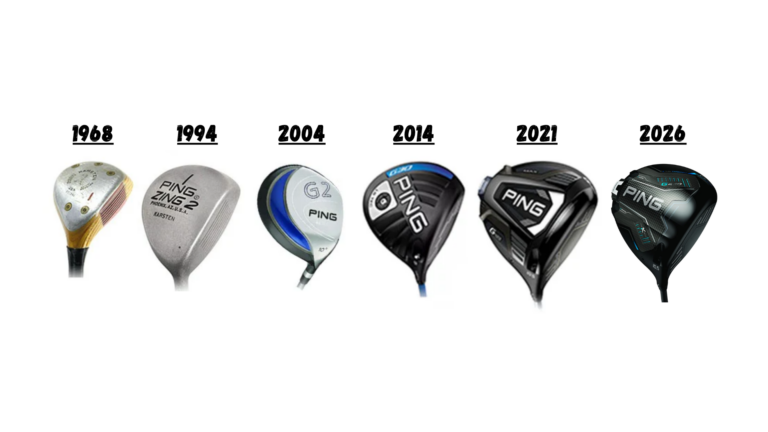
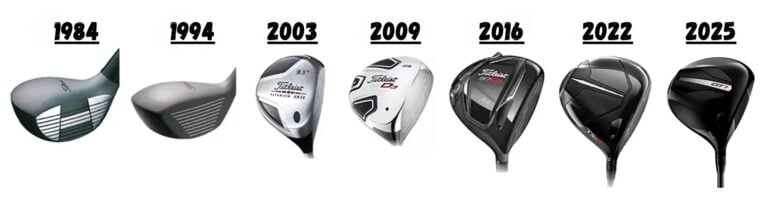
Other Brands Drivers By Year

Leave a Comment