This post may include affiliate links. We do earn a commission for products purchased using these links (at no additional cost to you). Thank you for supporting Swing Yard, making the content you see on this blog possible. For more information, please see our privacy policy for details.
*Read our review guidelines.
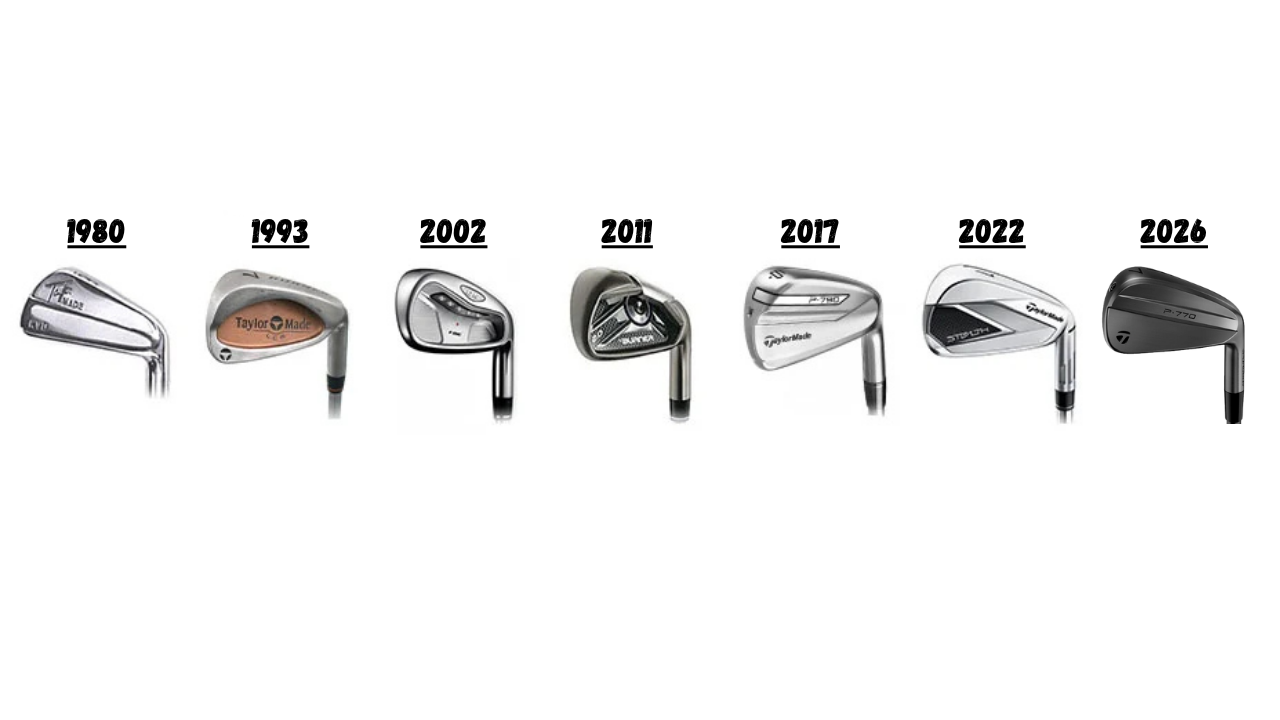
TaylorMade Irons by Year Table:
| Year Released | TaylorMade Iron Model | Key Innovation / What Changed | Price / Where to Buy |
|---|---|---|---|
| 2025 | P790 Battle Worn | Raw carbon steel finish applied to the P790 hollow body iron, allowing the face to naturally patina over time for a vintage aesthetic. Identical SpeedFoam construction to the standard P790 with the battle worn treatment delivering a unique look at address that improves with use rather than showing wear. | |
| P770 Battle Worn | Battle worn raw finish applied to the P770 hollow body forged iron for a progressive patina effect. Same forged hollow construction and SpeedFoam filling as the standard P770 with the distinctive raw aesthetic that appeals to better players who want a traditional, evolving look alongside modern performance. | ||
| P∙7CB Battle Worn | Raw carbon steel battle worn finish on the P7CB forged cavity back, allowing the natural steel to develop a patina through play. The P7CB Battle Worn delivers the same forged 1025 carbon steel feel and compact cavity profile as the standard model in the most distinctive aesthetic finish TaylorMade has produced in the P series. | ||
| 2024 | Qi | Introduced the Qi iron platform with a new Cap Back Design featuring a polymer badge that stiffens the body for more face flex and ball speed. The Qi iron delivered the highest ball speed in TaylorMade’s game-improvement iron history at launch through the combined Cap Back and inverted cone face technology. | |
| Qi HL | High-launch version of the Qi iron with a lower, more rearward CG to maximize ball flight for moderate swing speeds. Built for mid-to-high handicap players who need the highest launch angle from the Qi platform to maximize carry and distance from slower tempo swings. | ||
| 2023 | P790 (2023) | Updated P790 with a new generative AI-assisted face design and improved SpeedFoam Air filling for more ball speed than the 2021 generation. Thinner face walls and refined hollow body geometry produced measurably higher ball speeds across the face while preserving the compact, players-preferred P790 aesthetic that made it one of the most popular irons of the modern era. | |
| P770 (2023) | Updated P770 with a forged hollow body construction and SpeedFoam Air filling, improving on the 2020 version’s distance and feel. The 2023 P770 delivered more ball speed than its predecessor through refined face geometry while maintaining the compact, workable profile that positions it as a true players distance iron for low-to-mid handicap golfers. | ||
| P7MC (2023) | Updated P7MC in forged 1025 carbon steel with refined progressive shaping and updated sole geometry over the 2020 version. The 2023 P7MC maintained the mid-cavity compact forged profile preferred by low handicap players while delivering improved turf interaction through the updated sole grind. | ||
| P7MB (2023) | Updated P7MB pure muscle back blade in forged 1025 carbon steel with subtle sole and leading edge refinements over the 2020 version. The definitive TaylorMade blade for scratch and tour players who want maximum feedback and shot-shaping control, with the 2023 version delivering tighter manufacturing tolerances and improved consistency across the set. | ||
| Stealth HD | High Draw version of the Stealth iron with internal heel-biased weighting to promote a right-to-left ball flight. Combines the Stealth iron’s hollow body construction and Cap Back technology with built-in draw bias for mid-to-high handicap players who fight a slice and need both forgiveness and shot-shape correction from a single iron. | ||
| Stealth HD Women’s | Women’s High Draw Stealth iron with the Cap Back hollow body construction and heel-biased draw weighting in a women’s-specific setup. Lighter shaft, smaller grip, and women’s flex options combined with the HD’s slice-correcting weight placement for female golfers who want both forgiveness and draw bias. | ||
| 2022 | Stealth | Launched the Stealth iron platform with a new Cap Back Design where a polymer back badge stiffens the iron body, directing more energy to the face at impact for improved ball speed. The Cap Back combined with an inverted cone face produced more consistent speed across the hitting area than prior TaylorMade game-improvement irons. | |
| Stealth Women’s | Women’s version of the Stealth iron with the Cap Back construction and inverted cone face in a women’s-specific setup. Lighter total weight, women’s flex shafts, and grip sizing optimized for female golfers delivering the Stealth platform’s speed gains for women. | ||
| Stealth DHY | Dual Hollow construction utility iron built as a long iron and hybrid replacement with the Stealth platform’s face technology. The DHY features a hollow body with a low, deep CG for a high-launching penetrating ball flight, giving better players a forged-feel long iron alternative to traditional hybrids with more distance consistency than a standard iron. | ||
| Stealth UDI | Ultra Driving Iron with a hollow construction and low-profile head designed as a 1 or 2 iron replacement for better players who want maximum control from the tee or fairway. The Stealth UDI delivered a penetrating, tour-caliber ball flight with the Stealth face’s speed technology in the most demanding driving iron format. | ||
| Stealth Gloire | Japan-market Stealth iron in an ultralight configuration for moderate swing speeds. The Gloire version of the Stealth platform prioritized swing speed gains through reduced total weight for senior and moderate-tempo players in the Japanese market who needed more club head speed alongside the Cap Back’s ball speed technology. | ||
| Stealth Gloire Women’s | Women’s Japan-market Stealth Gloire iron in an ultralight women’s setup combining the Cap Back construction with a reduced total weight for female golfers in Japan with moderate to slower swing speeds. | ||
| Kalea Premier Women’s | Premium women’s iron built from the ground up specifically for female golfers rather than adapted from a men’s design. The Kalea Premier featured a lightweight hollow construction with a high-launch face and women’s-specific shaft and grip configuration for maximum distance from slower swing speeds across the full set. | ||
| 2021 | SIM 2 Max | Updated SIM Max with a new Echo Damping System that placed a polymer layer between the face and body to reduce vibration for better feel alongside the speed gains. The SIM2 Max delivered improved sound and feel over the original SIM Max through the damping system while maintaining the high-launch, high-forgiveness profile for mid-to-high handicap players. | |
| SIM 2 Max OS | Oversize version of the SIM2 Max with a larger head profile and deeper undercut for maximum forgiveness and highest launch in the 2021 TaylorMade iron lineup. The Echo Damping System and OS head combined to give high-handicap players the most accessible and forgiving iron TaylorMade offered that year with improved feel over the prior SIM Max OS generation. | ||
| P790 (2021) | Updated P790 with a new SpeedFoam Air filling that replaced the original SpeedFoam for a lighter, more compressible foam that allowed a thinner face and more face flex without sacrificing the feel-dampening benefit. The 2021 P790 delivered more ball speed than the original while maintaining the compact, hollow body design that made the P790 one of the best-selling better-player irons of the modern era. | ||
| P790 (2019) Black Finish | Black PVD-finished version of the 2019 P790 with a matte dark finish for reduced glare at address. Identical hollow body SpeedFoam construction and face technology to the standard P790 with a premium non-reflective aesthetic for players who preferred the darker look. | ||
| P790 UDI | Ultra Driving Iron built on the P790 platform with the hollow body SpeedFoam Air construction in a low-profile driving iron head for better players. The P790 UDI gave low handicap players TaylorMade’s best hollow-body iron technology in a long iron utility format for precise, high-speed tee shots and long approach shots. | ||
| RBZ Speedlite Set | Entry-level complete iron set built for beginner and high-handicap golfers at an accessible price point. The RBZ Speedlite provided new golfers with a high-launch, high-forgiveness set featuring wide soles and deep cavity backs optimized for easy launch and consistent distance for players just starting in the game. | ||
| RBZ Speedlite Set Women’s | Women’s RBZ Speedlite complete set with a lightweight construction and women’s-specific shafts and grips. Targeted female beginners and high-handicap golfers who wanted an accessible, forgiving set from TaylorMade at an entry-level price point with the high launch and wide sole of the Speedlite platform. | ||
| 2020 | SIM Max | Launched the SIM iron platform with a new ZATP (Zinc AlumiTi Polymer) construction combining a zinc body with an aluminum sole badge for better CG positioning and improved feel over the prior M-series. The SIM Max delivered the highest MOI in TaylorMade’s 2020 iron lineup for mid-to-high handicap players alongside improved sound and feel through the new multi-material construction. | |
| SIM Max OS | Oversize version of the SIM Max with a larger head profile and deeper undercut cavity for maximum forgiveness. The highest-MOI iron in the 2020 TaylorMade lineup, the SIM Max OS combined the ZATP construction’s feel improvements with a wide-body game-improvement profile for high-handicap players wanting the easiest-to-hit TaylorMade iron available. | ||
| P770 (2020) | Updated P770 with a new forged hollow body construction replacing the prior cast design, adding a SpeedFoam-filled cavity for improved ball speed alongside the compact, players-preferred aesthetic. The 2020 P770 was a significant update over the original, closing the distance gap between players irons and game-improvement designs while maintaining the low handicap profile. | ||
| P7MC (2020) | Updated P7MC in forged 1025 carbon steel with improved progressive shaping and refined sole geometry for better turf interaction over the original release. The 2020 P7MC maintained the compact mid-cavity forged profile that low handicap players trusted while delivering improved consistency from a wider variety of lies. | ||
| P7MB (2020) | Updated P7MB pure muscle back blade in forged 1025 carbon steel with updated sole geometry and refined leading edge over the original. The 2020 P7MB continued as TaylorMade’s most demanding and feedback-rich iron for scratch and tour players who wanted a traditional blade with no concessions to forgiveness or distance. | ||
| SIM Gloire | Japan-market SIM Max in an ultralight configuration for moderate and senior swing speeds. The SIM Gloire used a lighter shaft and head setup to generate more club head speed for players who benefited from weight reduction, delivering the SIM platform’s ZATP construction in a configuration tuned for slower-tempo golfers. | ||
| 2019 | M5 | Updated M5 iron with a new RIBCOR technology featuring internal ribs that stiffened the body and directed energy to the face for improved ball speed over the prior M-series. The RIBCOR combined with a progressive hosel design delivered more consistent launch and distance across all irons in the set compared to the M3 generation. | |
| M6 | Maximum forgiveness M-series iron with RIBCOR technology and a wider sole for higher launch and more forgiving performance than the M5. The M6 delivered the RIBCOR’s speed gains in a game-improvement profile with a deep undercut cavity for mid-to-high handicap players who needed the most accessible iron in TaylorMade’s 2019 lineup. | ||
| P790 | Updated second-generation P790 with improved SpeedFoam filling and a refined face geometry for more ball speed than the original 2017 model. One of the most celebrated iron updates in TaylorMade’s history, the 2019 P790 refined a concept that was already considered a landmark design into something even more refined without changing the fundamental appearance that players loved. | ||
| P790 Ti | Titanium-faced version of the P790 with a titanium insert bonded to the forged steel body for maximum ball speed in a players iron format. The P790 Ti pushed face speed further than the standard steel-faced P790 through the titanium insert’s superior flex characteristics, targeting better players who wanted the most distance possible from a compact hollow body iron. | ||
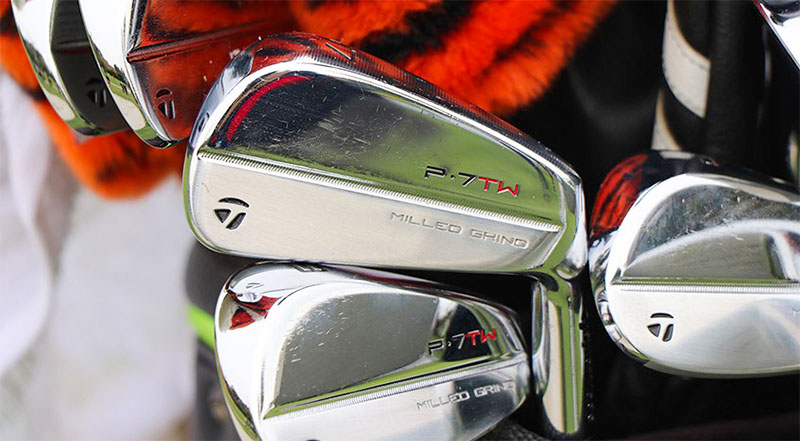
| P7TW (Tiger) | TaylorMade’s iron built in direct collaboration with Tiger Woods to match his exact specifications, making it the closest production iron to what Woods was actually playing on tour. Forged 1025 carbon steel with Tiger’s preferred blade length, offset, and bounce angles, the P7TW represented the most authentic tour-spec iron TaylorMade had ever offered to consumers and remains one of the most collectible modern irons ever produced. | ||
| M Gloire | Japan-market ultralight M-series iron for senior and moderate-swing-speed players. The M Gloire used a lightweight shaft and head configuration to maximize club head speed for players who needed swing speed gains through weight reduction, delivering M-series face technology in a setup tuned for slower tempo golfers. | ||
| 2018 | M3 | Introduced Fluted Hosel technology to reduce hosel weight and reposition mass lower in the head for improved CG depth and launch. The M3 iron delivered more consistent ball speed and a higher, more penetrating launch than the prior M-series through the combination of the fluted hosel weight savings and an updated face construction. | |
| M4 | Maximum forgiveness M-series iron with GEOCOUSTIC technology combining an aerodynamic sole channel and a new undercut cavity for improved sound, feel, and launch over the prior game-improvement M-series. The M4 delivered the most forgiving and highest-launching iron in the 2018 TaylorMade lineup alongside the fluted hosel weight redistribution for a better overall CG position. | ||
| P760 | Hollow body forged iron bridging the gap between the compact P770 and the more forgiving P790. The P760 used a SpeedFoam-filled hollow construction in a mid-size profile for mid-to-low handicap players who wanted more forgiveness than the P770 without the full distance-iron proportions of the P790. | ||
| P790 (2017) Black Finish | Black PVD-finished version of the original 2017 P790 with a matte dark finish for reduced glare at address. Identical SpeedFoam hollow body construction to the standard P790 with the non-reflective cosmetic treatment that proved popular with better players who preferred a subdued aesthetic over the standard chrome finish. | ||
| 2017 | M1 | Updated M1 iron with a new multi-material construction combining a stainless steel face with a titanium back bar for improved CG control. The 2017 M1 delivered better distance and launch consistency than the 2016 model through the improved internal mass distribution while maintaining the compact, workable profile preferred by better players. | |
| M2 (2017 model) | Updated M2 with an improved Face Slot technology and new GEOCOUSTIC sole for better sound and feel over the 2016 model. The 2017 M2 iron became one of TaylorMade’s best-selling irons ever, pairing improved face performance with genuinely better sound and vibration characteristics through the new sole design. | ||
| P790 | The original P790 introduced SpeedFoam technology for the first time in a TaylorMade iron, filling the hollow body cavity with a foam material that simultaneously improved ball speed by allowing a thinner face and dampened vibration for better feel. A landmark iron that defined a new category of hollow body players irons and became one of the most influential iron designs of the modern era. | ||
| P770 | Original P770 with a compact hollow body forged construction for better players wanting a thinner, more workable alternative to the P790. The P770 delivered a more traditional players iron aesthetic with a smaller head profile and reduced offset while still benefiting from the hollow body speed gains that made the P-series so popular with low handicap golfers. | ||
| P750 Tour Proto | Tour prototype iron made available to consumers in extremely limited quantities, featuring a compact forged 1025 carbon steel blade-style body with tour-preferred specifications. The P750 Tour Proto was one of TaylorMade’s most exclusive consumer iron releases, giving amateur players access to a head shape and spec level that was previously available only through direct tour fitting channels. | ||
| P730 Forged | Pure forged 1025 carbon steel blade with a Rors Proto-inspired shape, developed alongside Rory McIlroy for players wanting the most compact and workable iron in TaylorMade’s P-series lineup. The P730 represented TaylorMade’s purest blade expression, offering scratch and tour players maximum feedback and precision in the thinnest topline available in the P-series range. | ||
| M CGB | Caution Gear Bias iron with extreme perimeter weighting for the highest MOI in TaylorMade’s 2017 iron lineup, targeting high-handicap players who needed maximum forgiveness and the widest possible sweet spot. The M CGB used an oversized cavity design and repositioned sole weights to deliver more consistent distance on off-center hits than any prior TaylorMade game-improvement iron. | ||
| 2016 | M2 | Launched the M-series iron platform with Face Slot technology featuring a slot machined into the face perimeter for more face flex and ball speed on off-center hits. The original M2 iron combined the Face Slot with a low CG construction for a high-launch, high-speed game-improvement iron that became one of TaylorMade’s most commercially successful iron designs ever. | |
| M2 Tour | Tour version of the M2 with a compact head, reduced offset, and the Face Slot technology in a players-preferred profile. The M2 Tour gave better players access to the Face Slot’s off-center speed gains in a workable, thinner-topline shape without the wide sole and high offset that made the standard M2 unsuitable for low handicap golfers. | ||
| 2015 | AeroBurner | Speed-focused iron with an aerodynamic head shape and a high-strength steel face for maximum ball speed at an accessible price. The AeroBurner prioritized distance through face technology and a low CG construction, targeting mid-to-high handicap players who wanted maximum yardage from a TaylorMade iron at a lower price point than the RSi series. | |
| PSi | Introduced the PSi platform with a Fluted Hosel for the first time in TaylorMade’s player iron lineup, removing material from the hosel to save weight and reposition it lower in the head for improved CG. The PSi delivered a significant improvement in launch and distance over the prior Tour Preferred platform through the hosel weight savings combined with a thinner face construction. | ||
| PSi Tour | Tour version of the PSi with a compact head and reduced offset for better players. The PSi Tour delivered the fluted hosel weight savings and improved CG positioning in a workable profile preferred by low handicap players who wanted the PSi’s launch and distance gains in a more traditional players iron shape. | ||
| Kalea Set Women’s | Original Kalea women’s iron set built specifically for female golfers with a lightweight construction and high-launch face designed for women’s swing speeds. The first Kalea iron established TaylorMade’s dedicated women’s performance iron platform, prioritizing easy launch and consistent distance for female players at all skill levels. | ||
| 2014 | SLDR | Low-profile iron with a forward CG position inspired by the SLDR driver’s philosophy of moving mass forward for a lower, more penetrating ball flight. The SLDR iron used a deep undercut cavity and repositioned sole weights to produce a lower launch with reduced spin, targeting stronger players who wanted to hit more boring, controlled iron shots rather than high ballooning trajectories. | |
| RSi 1 | Launched the RSi platform with a new Speed Pocket technology that was a machined slot in the sole to increase face flex for more ball speed at the bottom of the face where most mis-hits occur. The RSi 1 delivered the most ball speed on low-face strikes of any TaylorMade iron to that point, making it particularly effective for mid-handicap players who tended to hit the ball slightly below center. | ||
| RSi 2 | Higher-forgiveness RSi with the Speed Pocket sole slot in a wider sole and deeper cavity for mid-to-high handicap players. The RSi 2 delivered the Speed Pocket’s low-face speed gains alongside more overall forgiveness and higher launch than the RSi 1, making it the most accessible iron in the 2014 RSi lineup. | ||
| RSi TP (Tour Preferred) | Tour Preferred version of the RSi with the Speed Pocket sole slot in a compact, workable profile for better players. The RSi TP gave low handicap and tour players access to the Speed Pocket’s low-face speed gains in a head shape with reduced offset, a thinner topline, and a more traditional players iron aesthetic. | ||
| Tour Preferred MC | Multi-material Construction Tour Preferred iron combining a forged carbon steel face with a stainless steel back for improved CG positioning. The Tour Preferred MC offered low handicap players a blend of forged face feel and strategic weight distribution for better launch and distance consistency than a traditional forged blade. | ||
| Tour Preferred MB | Pure muscle back blade in forged 1025 carbon steel for scratch and tour players who demanded maximum feedback and shot-shaping control. The Tour Preferred MB represented TaylorMade’s purest blade expression before the P-series launched, used by tour professionals who wanted traditional forged feel without any cavity support or forgiveness technology. | ||
| Tour Preferred CB | Cavity back forged iron in the Tour Preferred range offering low handicap players modest forgiveness alongside the pure forged feel of the MB. The Tour Preferred CB provided a compact forged cavity that improved consistency on slightly off-center strikes without departing from the traditional players aesthetic that better players expected from the Tour Preferred name. | ||
| 2013 | Rocketballz HP | High Performance version of the Rocketballz iron with a new Face Slot technology and improved face construction for more ball speed than the original. The RBZ HP delivered the RocketBallz platform’s distance gains with a more refined face design aimed at mid-handicap players who wanted the maximum possible ball speed from TaylorMade’s 2013 game-improvement iron. | |
| Speedblade | Introduced a machined Speed Pocket in the sole for more face flex and ball speed on low-face strikes, a technology that became one of TaylorMade’s most enduring iron innovations. The Speedblade’s Speed Pocket significantly improved distance consistency across the full face versus prior TaylorMade designs, particularly helping players who tended to catch the ball slightly low on the face. | ||
| Speedblade HL (High Launch) | High-launch version of the Speedblade with a deeper, more rearward CG to maximize ball flight for moderate swing speeds. The Speed Pocket sole slot combined with the high-launch head profile delivered more carry distance for mid-to-high handicap players who needed both the low-face speed gains and a higher overall trajectory. | ||
| Rocketbladez | Combined the RocketBallz distance concept with a new Face Slot technology for more face flex across the entire hitting area. The Rocketbladez delivered the highest ball speed in TaylorMade’s 2013 game-improvement iron lineup through the Face Slot’s perimeter flex combined with the RBZ platform’s strong loft and high launch design. | ||
| Rocketbladez Max | Maximum forgiveness version of the Rocketbladez with a wider sole and deeper cavity for high-handicap players. The Rocketbladez Max combined the Face Slot’s speed gains with the most forgiving head in the 2013 Rocketbladez lineup, targeting the widest range of mid-to-high handicap players who needed both distance and consistency. | ||
| Rocketbladez Tour | Tour version of the Rocketbladez with a compact head, reduced offset, and the Face Slot technology for better players. Brought the Rocketbladez platform’s speed gains to a workable profile preferred by low handicap players who wanted the Face Slot’s face flex benefits without the wide sole and game-improvement aesthetics of the standard Rocketbladez. | ||
| 2012 | Rocketballz | Launched the RocketBallZ iron platform with a high-COR face design and strong lofts for maximum distance. The Rocketballz iron became one of TaylorMade’s most commercially successful iron lines through a combination of genuine distance gains and aggressive marketing that made distance the defining iron conversation in golf during this era. | |
| Rocketballz Max | Maximum forgiveness version of the Rocketballz iron with a wide sole and deep cavity for high-handicap players. The Rocketballz Max combined the RBZ platform’s high-COR face and strong loft distance gains with the most forgiving head in the lineup, making it the most accessible and highest-launching iron TaylorMade offered in 2012. | ||
| 2011 | Burner 2.0 | Updated Burner with an improved face insert and new undercut cavity design for more ball speed and better launch consistency than the original Burner. The Burner 2.0 refined the Burner’s high-launch, high-distance formula with a better internal structure while maintaining the wide sole and game-improvement profile that made the Burner one of TaylorMade’s most popular iron lines of the late 2000s. | |
| R11 | Compact players iron in the R11 family with a progressive cavity design and improved face technology for better players who wanted more performance than the Tour Preferred line offered. The R11 iron bridged the gap between game-improvement distance and players iron workability for low-to-mid handicap golfers who prioritized both launch and control. | ||
| Tour Preferred MC | Multi-material Construction Tour Preferred iron with a forged carbon steel face and stainless steel back for improved CG and launch over a pure forged design. One of TaylorMade’s most respected better-player irons of the early 2010s, delivering genuine performance improvements over the prior Tour Preferred generation through the multi-material construction. | ||
| Tour Preferred MB | Pure forged 1025 carbon steel muscle back blade for scratch and tour players. This generation of the Tour Preferred MB was widely used by TaylorMade tour staff who demanded the most direct and unfiltered feedback available, continuing the Tour Preferred blade tradition with updated sole geometry for improved turf interaction. | ||
| Tour Preferred CB | Compact forged cavity back Tour Preferred iron offering low handicap players modest forgiveness alongside traditional forged feel. The Tour Preferred CB provided a small cavity for better consistency on slightly off-center hits without changing the clean, compact players aesthetic that defined the Tour Preferred range. | ||
| 2010 | R9 | Game-improvement iron with an improved face design and updated sole weighting for more consistent launch and ball speed over the prior generation. The R9 iron carried TaylorMade’s r-series name into a more modern iron design with better internal CG positioning for mid-handicap players who wanted reliable distance and forgiveness. | |
| R9 TP (Tour Preferred) | Tour Preferred version of the R9 iron with a compact head, reduced offset, and tighter face tolerances for better players. The R9 TP brought the r-series face technology into a workable players iron profile for low handicap golfers who wanted the R9’s improved distance consistency in a traditional tour-preferred shape. | ||
| 2009 | Burner 1.0 | Launched the first Burner iron with a new high-launch, high-distance design featuring a low CG construction and strong loft angles that generated more distance than conventional irons of the era. The original Burner 1.0 established the Burner’s identity as TaylorMade’s dedicated distance iron for mid-to-high handicap players and set the template for the multiple successful Burner generations that followed. | |
| 2008 | Burner Plus | Expanded the Burner platform for mid-handicap players with an updated face insert and improved internal weighting for more ball speed over the prior Burner generation. The Burner Plus sat above the standard Burner in the lineup, delivering more distance for players who wanted maximum yardage gains from TaylorMade’s premier game-improvement iron of the era. | |
| Tour Burner | Tour-targeted iron combining a compact players profile with a high-strength steel face for improved ball speed alongside the workability better players demanded. The Tour Burner offered low handicap players a genuine distance improvement over the Tour Preferred generation through a higher-performing face in a shape that didn’t compromise the compact, traditional aesthetic. | ||
| Tour Preferred MB | Forged 1025 carbon steel muscle back blade for tour players who demanded the most direct feedback and precision available. This Tour Preferred MB generation maintained the traditional compact blade aesthetic while updating internal geometry for improved consistency, used widely on tour during a period when TaylorMade was expanding its professional player relationships. | ||
| Tour Preferred MB Smoke | Black smoke finish version of the 2008 Tour Preferred MB with a dark PVD coating for reduced glare and a premium non-reflective aesthetic. Identical forged 1025 carbon steel construction to the standard Tour Preferred MB with the distinctive smoke finish that proved popular with better players who preferred a subdued look at address. | ||
| Tour Preferred | Standard Tour Preferred iron offering low-to-mid handicap players a forged feel with a modest cavity for slight forgiveness over the pure blade MB. Positioned between the game-improvement Burner line and the demanding Tour Preferred MB, the Tour Preferred gave better players a more accessible forged option without fully compromising on workability or traditional aesthetics. | ||
| 2006 | R7 | Updated R-series iron with improved face technology and updated cavity geometry for more consistent distance over the prior generation. The R7 iron brought the r-series name that had become famous in TaylorMade’s driver lineup into a more modern iron design with better CG positioning for mid-handicap players wanting reliable performance. | |
| R7 Draw | Draw-biased R7 with internal heel weighting to promote a right-to-left ball flight for players who fought a slice. Combined the R7’s improved face technology with built-in shot-shape correction for mid-to-high handicap players who needed consistent draw bias alongside reliable distance from their irons. | ||
| R7 TP (Tour Preferred) | Tour Preferred version of the R7 iron with a compact head, reduced offset, and tighter tolerances for better players. The R7 TP gave low handicap golfers the R7’s updated face technology in a workable players profile without the wide sole and higher offset of the standard game-improvement R7. | ||
| RAC MB TP | Tour Preferred muscle back in the RAC family for scratch and tour players who wanted the most demanding and feedback-rich iron TaylorMade offered. The RAC MB TP represented TaylorMade’s purest forged blade of the mid-2000s, used by tour professionals who prioritized maximum feel and workability above all else. | ||
| 2005 | RAC OS (2005 model) | Updated oversize RAC with improved cavity geometry and face design for more consistent distance over the 2003 version. The 2005 RAC OS refined the oversize game-improvement formula with better internal weighting for mid-to-high handicap players who needed the widest sweet spot in TaylorMade’s lineup at the time. | |
| R7 XD | Extra Distance R7 iron with a high-COR face design and deep cavity for maximum ball speed on off-center hits. The R7 XD prioritized distance over workability for mid-to-high handicap players, bringing the R7 name to a more aggressively distance-focused design with a wider sole and higher offset than the standard R7. | ||
| R7 CGB Max | Caution Gear Bias Max iron with extreme perimeter weighting for the highest MOI in TaylorMade’s 2005 iron lineup. The CGB Max used a wide-body design with mass pushed to the extreme perimeter for maximum forgiveness and consistent distance for high-handicap players who needed the widest possible sweet spot from an R-series iron. | ||
| 2003 | RAC Combo | A combo set concept combining RAC OS long irons with RAC TP short irons for players who wanted more forgiveness in the longer clubs and more workability and feel in the scoring irons. One of TaylorMade’s early combo set offerings that demonstrated how mixing head designs across a set could better serve the needs of mid-handicap players with improving skills. | |
| RAC OS | Oversize RAC iron with a wide sole and deep cavity for high-handicap players wanting maximum forgiveness. The RAC OS was TaylorMade’s most accessible iron of 2003, targeting the highest-handicap players with the widest sweet spot and most forgiving head in the RAC lineup alongside the improved cast construction quality of the modern RAC platform. | ||
| RAC LT | Light version of the RAC for mid-handicap players with a reduced total weight setup for more swing speed. The RAC LT combined a lighter head and shaft with the RAC platform’s cavity design to help moderate-tempo players generate more club head speed from a mid-size game-improvement iron. | ||
| RAC MB | Muscle back blade in the RAC family for scratch and better players who wanted TaylorMade’s most demanding forged iron. The RAC MB offered low handicap players a pure blade experience within the RAC platform, used by tour professionals who preferred the traditional compact profile and maximum feedback of a forged muscle back. | ||
| 2002 | 200 | Updated numbered series iron with improved face design and cavity geometry for better ball speed consistency over the prior generation. The 200 series continued TaylorMade’s transition toward modern iron construction with better CG positioning and face performance for mid-handicap players in the early 2000s. | |
| RAC | Launched the RAC (Response Actuator Channel) platform with a machined channel in the sole to improve face flex and ball speed on off-center hits. One of TaylorMade’s earliest experiments with sole slot face flex technology, the RAC anticipated the Speed Pocket concept that would become central to TaylorMade’s iron designs a decade later. | ||
| 300 Forged | Forged iron from the 300 series with a traditional players construction for better players who wanted a forged option alongside the cast stainless 300 series lineup. The 300 Forged offered the feel of a forged iron within TaylorMade’s early 2000s numbered series for golfers who preferred the feedback and workability of forged construction over the cast alternatives. | ||
| 320 | Mid-size game-improvement iron in the 300 series for mid-handicap players wanting more forgiveness than the 300 with a slightly more accessible head profile. The 320 offered a wider sweet spot and deeper cavity than the compact 300, bridging the gap between precision and accessibility in TaylorMade’s numbered series range. | ||
| 360 | Maximum forgiveness iron in the 300 series with the widest sole and deepest cavity in the numbered lineup for high-handicap players. The 360 provided TaylorMade’s most accessible iron option of the early 2000s within the numbered series, delivering maximum consistency and forgiveness for players who needed the easiest-to-hit iron available from the brand. | ||
| 2000 | Supersteel | High-strength stainless steel iron with an improved face alloy for more ball speed than conventional 17-4 stainless designs. The Supersteel delivered genuine face speed advantages through the high-strength steel material at a time when face metallurgy was advancing rapidly across all manufacturers, giving mid-handicap players more consistent distance from a more resilient face construction. | |
| 1999 | Firesole | Introduced a fire-drilled sole technology that removed material from the sole to lower CG and improve launch for mid-handicap players. The Firesole was one of TaylorMade’s earliest dedicated CG-optimization irons, using the sole drilling concept to reposition mass for a higher, more consistent ball flight than conventional stainless irons of the era. | |
| Firesole Tour | Tour version of the Firesole with a compact head and reduced offset for better players. The Firesole Tour brought the sole drilling CG-optimization concept to a workable players profile for low handicap golfers who wanted the Firesole’s launch improvements in a head shape suited to their precision and workability requirements. | ||
| 1998 | Burner Oversized | Oversize game-improvement iron with a wide sole and large cavity for maximum forgiveness. The Burner Oversized targeted high-handicap players who needed TaylorMade’s most accessible and forgiving iron, delivering a wide sweet spot and high launch in the largest Burner head of the late 1990s era. | |
| LCG Burner | Low Center of Gravity Burner with a redesigned sole that dropped CG significantly lower than prior Burner designs for a higher, more accessible ball flight. The LCG Burner was TaylorMade’s most intentional CG-optimization iron to that point, using a widened sole and repositioned mass to make launch easier and more consistent for mid-to-high handicap players. | ||
| Bubble 2 | Second generation of the Bubble shaft iron concept with a refined bubble shaft design for improved feel and energy transfer over the original. The Bubble 2 continued TaylorMade’s shaft innovation strategy, applying the reduced-weight upper shaft concept to an updated iron head with better internal construction than the first-generation Bubble iron. | ||
| Tour Bubble | Tour version of the Bubble iron with a compact head and the bubble shaft technology for better players. Gave low handicap golfers access to the Bubble shaft’s weight-distribution concept in a workable players iron profile without the wide sole and high offset of the standard Bubble game-improvement design. | ||
| 1997 | Burner Bubble | Combined the Burner’s game-improvement iron concept with the distinctive Bubble shaft technology featuring a narrowed section below the grip for a lower balance point. One of the most recognizable iron designs of the mid-1990s, the Burner Bubble brought the visually distinctive Bubble shaft to TaylorMade’s most popular game-improvement iron platform. | |
| Ti Bubble 2 | Titanium-insert version of the Bubble 2 iron using a titanium face insert in a stainless body for improved ball speed over conventional stainless designs. One of the first TaylorMade irons to use a titanium face insert, the Ti Bubble 2 explored multi-material iron construction at a time when titanium was generating enormous excitement across the golf equipment industry. | ||
| 1996 | Oversized Burner | Maximum forgiveness Burner with the largest head profile TaylorMade had produced in an iron to that point for high-handicap players. The Oversized Burner represented TaylorMade’s commitment to making the game accessible through sheer head size, delivering the widest possible sweet spot in an era when oversize head designs were transforming the game-improvement iron market. | |
| Burner Bubble Tour | Tour version of the Burner Bubble with a compact head and reduced offset for better players. Delivered the distinctive Bubble shaft technology in a players iron profile for low handicap golfers who wanted the Bubble’s weight-distribution concept without the wide sole and high offset of the standard game-improvement Burner Bubble. | ||
| 1993 | Burner Midsize | Mid-size version of the Burner iron sitting between the compact standard Burner and the wide-body Oversized for mid-handicap players who wanted a balance of forgiveness and a less bulky head profile. The Burner Midsize gave a broader range of golfers access to the Burner platform in a head size between the extremes of the full Burner lineup. | |
| 1992 | ICW Mid Tour | Mid-size Tour version of the ICW iron offering low-to-mid handicap players a balance between the compact ICW tour profile and a slightly wider sweet spot. The ICW Mid Tour bridged the gap between the pure blade ICW and the more forgiving standard ICW for players whose game was between those two specifications. | |
| 1991 | ICW-5 | Early TaylorMade investment cast iron with a traditional cavity back design for mid-handicap players. The ICW-5 was part of TaylorMade’s early 1990s effort to establish a credible iron lineup alongside its metal wood dominance, bringing investment cast stainless quality to a mid-size game-improvement profile at a time when the brand was building its identity beyond drivers. | |
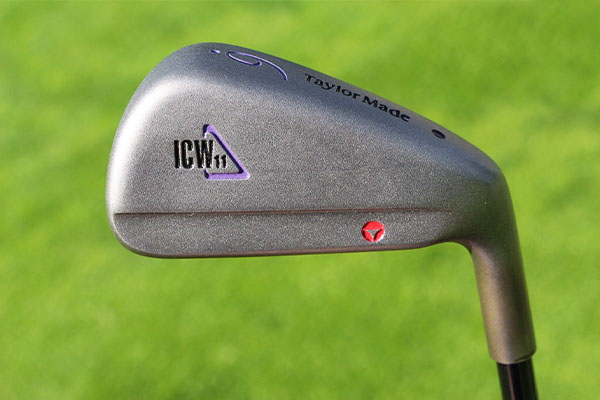
| ICW-11 | Investment Cast Wide iron with a wide sole and deep cavity for high-handicap players who needed maximum forgiveness. The ICW-11 was TaylorMade’s most accessible iron of the early 1990s, delivering the widest sweet spot in the ICW lineup for recreational golfers who were discovering TaylorMade through the brand’s dominant metal wood reputation. | ||
| 1987 | Tour Preferred TD | TaylorMade’s earliest dedicated forged tour iron, establishing the Tour Preferred name that would endure in the brand’s lineup for over three decades. The Tour Preferred TD targeted scratch and tour players with a compact forged blade profile at a time when TaylorMade was primarily known for its metal woods, making it the brand’s first serious statement in the premium players iron market. | |
| 1986 | Iron Cleeks | Early TaylorMade iron design reflecting the brand’s first years in the iron market during the period when TaylorMade was primarily focused on establishing its metal wood dominance. The Iron Cleeks represented one of TaylorMade’s earliest attempts at building a credible iron offering alongside the revolutionary metal wood lineup that was transforming the driver market. | |
| 1985 | Tour Preferred F | Early Tour Preferred iron establishing the Tour Preferred name in TaylorMade’s lineup before the modern P-series took over that identity. The Tour Preferred F was part of TaylorMade’s mid-1980s effort to build professional credibility in the iron market to complement the metal wood revolution the brand was simultaneously leading in the driver segment. | |
| 1982 | EL1 | One of TaylorMade’s earliest iron designs produced during the brand’s founding years. The EL1 represented TaylorMade’s first attempts at iron manufacturing while the brand was primarily focused on perfecting the metal wood concept that Gary Adams had introduced to the market in 1979, laying the early groundwork for what would eventually become one of the world’s largest iron lineups. | |
| 1980 | PR1 | Early TaylorMade iron from the year after Gary Adams launched the original metal wood, produced as TaylorMade attempted to establish itself as a full-line golf equipment company rather than solely a metal wood specialist. The PR1 represented one of the brand’s very first iron offerings during the formative years of a company that would eventually become the most dominant iron brand in professional golf. | |
| 1980 | KVD | Forged iron produced in TaylorMade’s earliest years alongside the PR1, targeting better players who wanted a traditional forged construction from the young brand. The KVD represented TaylorMade’s early understanding that serving the full market required both accessible game-improvement designs and demanding forged options for the best players, a philosophy that would define the brand’s iron strategy for decades. |
TaylorMade Irons in 2025
2025 was a limited but interesting year for TaylorMade irons. Rather than a full lineup refresh, TaylorMade leaned into the Battle Worn aesthetic, releasing the P790, P770, and P7CB all in a raw, distressed finish that strips away the standard chrome and gives the irons a more worn-in beautiful look (if I may say so myself). The Battle Worn treatment isn’t just cosmetic either, the raw carbon steel finish is meant to patina naturally over time, similar to a raw wedge. Performance-wise these are the same irons underneath, which means the P790 Battle Worn is still one of the best players distance irons on the market. It’s a niche release aimed squarely at the low handicap golfer who wants something that looks a little different from everyone else in the field.
TaylorMade Irons in 2024
TaylorMade went deep into the game improvement category in 2024 with the Qi and Qi HL irons. The big idea behind the Qi was per-club CG optimization, meaning each iron in the set was individually tuned for the right launch angle and spin rather than a blanket compromise across the whole bag. That’s a meaningful engineering step that most golfers never think about but absolutely feel in the results. The Qi HL takes it a step further with lighter components and weaker lofts for golfers who genuinely need help getting the ball up. Neither of these clubs are trying to impress anyone at a tour event. They’re built to make the game easier for the mid to high handicapper, and they do exactly that.
TaylorMade Irons in 2023
Few years in recent TaylorMade history were as loaded as 2023 on the iron side. The full P series got updated across the board, with new versions of the P790, P770, P7MC, and P7MB all dropping at once. The 2023 P790 pushed SpeedFoam Air further than any previous version, shaving the face down even thinner and squeezing out more ball speed without giving up the compact look that made the original a fan favorite. On the other end of the spectrum, the Stealth HD irons gave mid to high handicappers a high-draw, high-launch option with real draw bias built into the design rather than just claimed in the marketing. It was genuinely a strong year with something worth looking at no matter what kind of player you are. Swing Yard co-owner, Tim, currently plays the P770 irons and loves them!
TaylorMade Irons in 2022
Stealth was the story of 2022 across the entire TaylorMade lineup, and the irons were no exception. The Stealth iron replaced the SIM2 Max as the flagship game improvement option, bringing a refined cap-back construction and lower, deeper CG placement for better launch on off-center hits. TaylorMade also released the Stealth DHY and UDI this year as driving iron alternatives for better players who want more control than a hybrid gives them. Worth noting for the women’s side too, the Kalea Premier dropped in 2022 and was one of the better women’s iron releases in recent memory. Solid year overall, even if it felt more like a refinement than a reinvention.
TaylorMade Irons in 2021
The 2021 iron lineup at TaylorMade was headlined by the SIM2 Max and SIM2 Max OS. The SIM2 Max was the go-to game improvement option that year, built on a cap-back construction that pushed weight lower and further back than the original SIM. The SIM2 Max OS is worth calling out specifically as the oversized, super game improvement version of the two, aimed squarely at high handicappers who want the biggest possible sweet spot and the most forgiving iron TaylorMade made that year. Both are still excellent picks on the used market today and hold up better than most assume for irons that are a few years old. On the players side, TaylorMade also updated the P790 in 2021, continuing to refine the SpeedFoam technology inside the hollow body for more ball speed in a compact, tour-preferred shape that remains one of the best irons they have ever produced.
TaylorMade Irons Before
The last five years have really shown the innovation at TaylorMade. Mostly through improvements of popular models. The uber popular, and high performing P790 debuted in 2017, and has gone through internal and external changes. These changes are making them even longer and more forgiving.
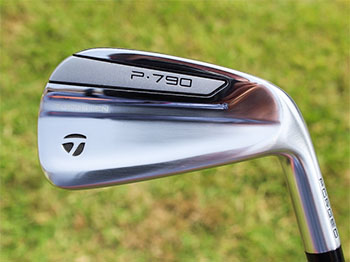
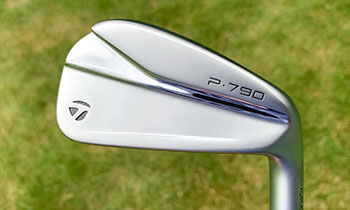
The P790 is widely regarded as one of the best performing irons on the market. Great feel, distance, forgiveness, and compact design make it an appealing option for tour players and weekend warriors alike, which is uncommon to say the least. Check out the full P790 specs and lofts for more info.
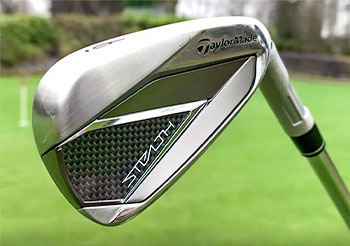
TaylorMade has released a flagship iron alongside the driver every year since 2017. Most recently the Stealth irons. Stealth follows suit behind SIM2, SIM, and the M series. These irons are labeled as game improvement irons, and are a good selection for a wide variety of players.
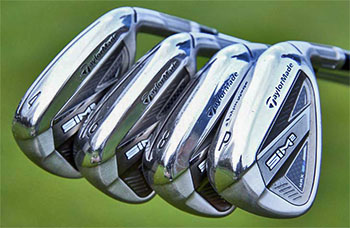
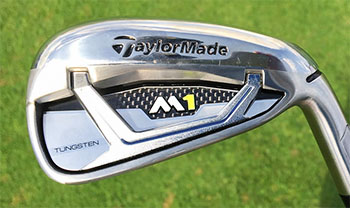
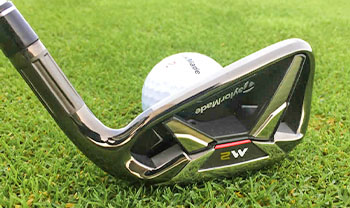
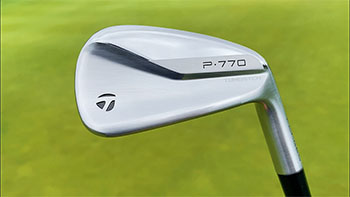
TaylorMade has no shortage of “player” options too, with regular releases and updates to the P770 specs, the P7MC, and P7MB. Even releasing a Tiger Woods model, the P7TW, TaylorMade has options for all comers.
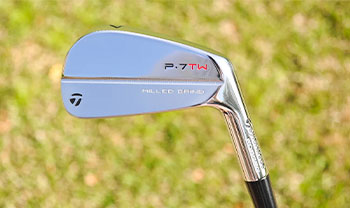
If you’re looking for the latest womens irons, check out our reviews here.
Get Smarter About Your Swing
Join thousands of golfers getting exclusive swing tips, club reviews, and gear guides straight to their inbox – before they hit the site.
TaylorMade Burner Irons by Year
The TaylorMade Burner series began in 1993 with the Burner Midsize. It was a unique design with foam and perimeter weighting. This did wonders for forgiveness. The Burner series went on to win majors, and spearhead iron innovation.
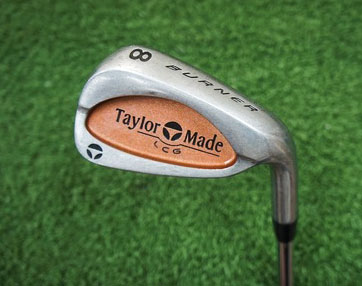
In 1996 and 1997 TaylorMade released a series of Burner Bubble irons. The 96’ Burner Bubble Tour was in the bag for two of the four majors in 96’, which gave some serious validity to the line. 97’ brought the Ti Bubble 2 which was the introduction of using multiple materials to lower the center of gravity, which helped improve distance.
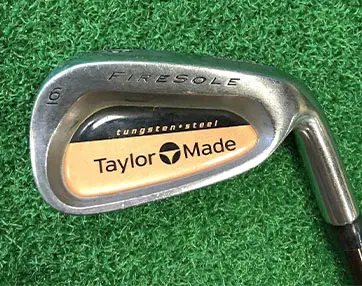
The Burner line was shelved for over a decade until 2008. By then TaylorMade had discovered and mastered “SuperFast Technology.” This inverted cone behind the face, and multi material construction to deliver today’s players distance iron.
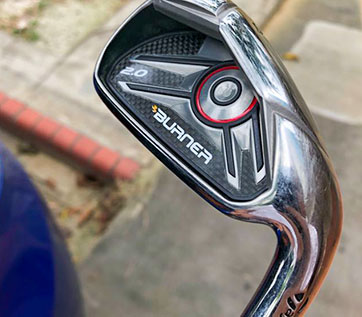
The Burner name was quietly retired after 2011 with the release of the Burner 2.0, making way for the RocketBallz era and eventually the M series that took over in 2016.
TaylorMade Irons History
In 1979 TaylorMade broke ground on one club. A 12 degree stainless steel metalwood. They wasted no time breaking into the iron space. 1980 marked their first ever iron release.
TaylorMade released first the KVD irons, named after the designer Ken Venturi. That same year they released the PR1 iron.
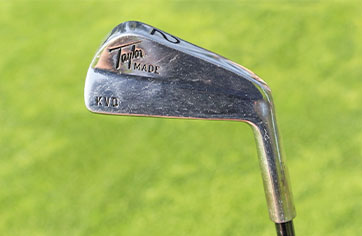
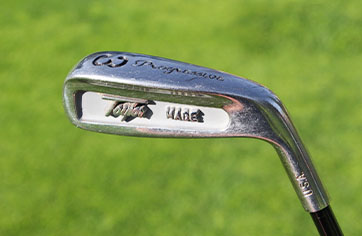
TaylorMade remained a “tour preferred” lineup until 1991. The release of the ICW 11, with a progressive offset, and more forgiveness was marketed as an iron set for the everyday player. From then on, TaylorMade released various club selections for every type of golfer to help make the game more enjoyable.
How Often Does TaylorMade Release New Irons
TaylorMade is one of a few manufacturers that regularly releases new and improved options for all types of golfers. From 2008 until present, you can rely on TaylorMade to release a new iron set every year.
Watch
New videos every week on our youtube channel
These yearly releases contain incremental improvements from the year prior, and tend to offer something for every type of player. For the last decade, TaylorMade has released iron sets alongside their yearly metalwood releases, running from the M series through Stealth, SIM2, and now the Qi and P series Battle Worn editions. You could almost set a watch to it.
Frequently Asked Questions (FAQ)
As of 2025, the newest TaylorMade irons are the P790, P770, and P7CB Battle Worn editions, released in a raw, distressed carbon steel finish for golfers who want a more tour-authentic look. On the game improvement side, the Qi and Qi HL irons released in 2024 are the most recent full lineup additions. If you’re a low handicapper, the Battle Worn P790 is the one to look at. If you’re a mid to high handicapper, the Qi is your lane.
The original TaylorMade P790 irons were released in 2017 and have been updated nearly every two years since. Updated versions came out in 2019, 2021, 2023, and most recently in 2025 as the P790 Battle Worn. Each generation has refined the SpeedFoam technology inside the hollow body, made the face thinner, and pushed ball speeds higher all while keeping the compact, clean and beautiful look at address.
These four irons represent TaylorMade’s players spectrum from most forgiving to purest feel. The P790 is a hollow-body players distance iron with SpeedFoam Air inside, the most forgiving of the four with the most distance. The P770 is a more compact hollow-body iron that blends forgiveness with a tighter, more players-oriented look. The P7MC is a forged cavity back for the better player who wants workability with a little forgiveness built in. The P7MB is a pure muscle back blade. It’s for scratch golfers and tour players who want maximum feedback and don’t need any help with forgiveness.
The Qi HL is TaylorMade’s best option for high handicappers right now. It’s built with weaker lofts, lightweight components, and a high-launch profile that makes it easier to get the ball in the air consistently. The Qi is the next step down in forgiveness and a great option for mid handicappers too. If you’re shopping older models, the SIM2 Max OS and the Stealth HD are both still excellent picks at a lower price point. The forgiveness on those is hard to beat for the money.
Most TaylorMade tour staff players have gravitated toward the P7MB, P7MC, and P790 depending on how much forgiveness they want built in. Tiger Woods famously plays the P7TW, a model co-designed with him that’s based on the blades he’s used throughout his career. Collin Morikawa has gamed P7MB irons, and Scottie Scheffler has been in P7TW irons that Tiger made. The P series across the board is where TaylorMade’s tour presence lives.
The original TaylorMade M2 irons came out in 2016, with an updated version released in 2017. They were one of the most popular game improvement irons TaylorMade ever produced. The M2’s were known for being long, forgiving, and easy to hit for a wide range of players. They were part of the M series that ran from 2016 through 2019, which also included the M1, M3, M4, M5, and M6 irons.
The SIM2 Max (2021) and Stealth (2022) are close cousins in terms of performance target. Both are game improvement irons built for mid to high handicappers. The Stealth refined the cap-back construction and moved the CG lower and deeper than the SIM2 Max, which improved launch and forgiveness on mishits. The Stealth also has a slightly cleaner look at address. For most golfers the gap is small, which is exactly why the SIM2 Max at a used price is still such a smart buy.
TaylorMade has been releasing new irons every single year since around 2008 — one of the most aggressive release schedules in the industry. They typically drop a new game improvement iron alongside their driver lineup each year, and update the P series players irons on a roughly two-year cycle.
SpeedFoam Air is TaylorMade’s proprietary injected foam technology used inside hollow-body irons like the P790. The foam fills the cavity behind the face and serves two purposes, it allows TaylorMade to make the face thinner than it could be on its own (which increases ball speed), and it dampens the sound and feel at impact so the iron still feels like a quality forged club rather than a hollow metal box. SpeedFoam Air is a lighter, more refined version of the original SpeedFoam, and it’s a big part of why the P790 is able to produce tour-level ball speeds in a compact iron head.
Of course. We always recommend buying used unless you are a very good golfer. The P790 (2019 or 2021), SIM2 Max, and M2 are all still excellent irons and can be found at a fraction of the original retail price on the used market. TaylorMade builds consistently performing irons year over year, which means a two or three-year-old model is still going to do the job for the vast majority of golfers.
The P7TW is a blade iron co-designed with Tiger Woods and modeled after the irons he has played throughout his career. Released in 2019, it’s a pure muscle back forged from 1025 carbon steel with a tour-preferred thin topline, minimal offset, and tight sole. These were built for elite ball strikers who want the maximum feedback and workability available. It’s not for the average golfer, but it’s one of the most iconic modern iron releases TaylorMade has ever produced.
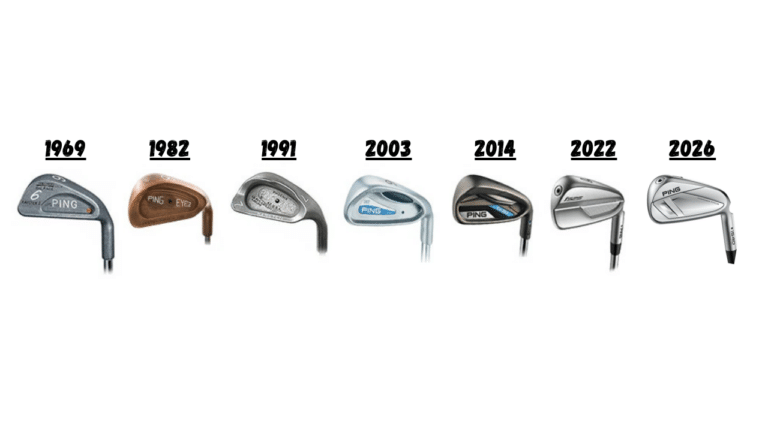
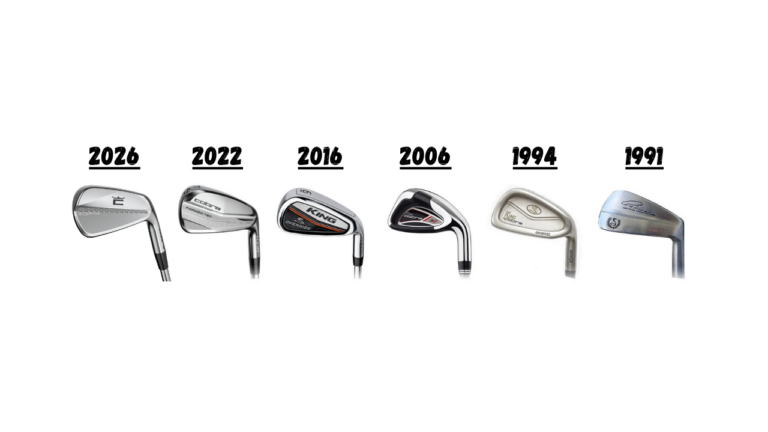
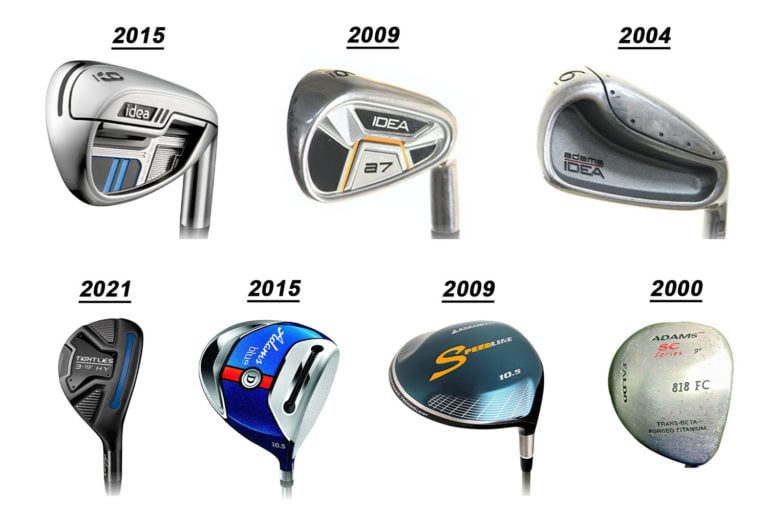
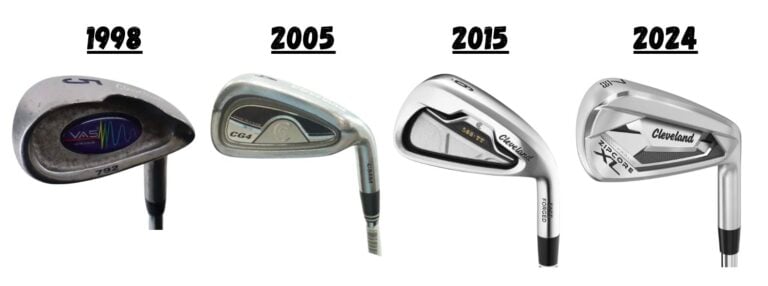
Other Brands Irons By Year

Leave a Comment