This post may include affiliate links. We do earn a commission for products purchased using these links (at no additional cost to you). Thank you for supporting Swing Yard, making the content you see on this blog possible. For more information, please see our privacy policy for details.
*Read our review guidelines.
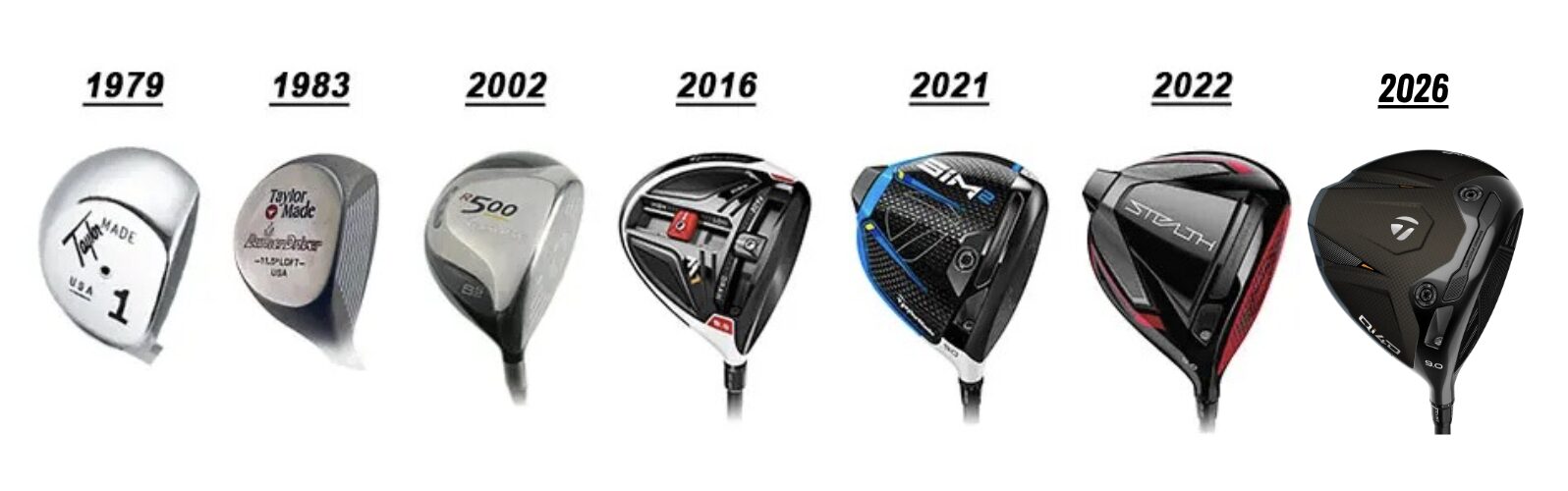
List of TaylorMade Drivers by Year
| Year Released | TaylorMade Driver Models | Key Innovation / What Changed | Price / Where to Buy |
|---|---|---|---|
| 2026 | Qi4D | Introduces the Qi4D platform with a new 4D carbon composite crown featuring directional carbon fiber weaving for more precise CG control than the prior Qi10 generation. The standard Qi4D targets mid-to-better players with a mid-launch, mid-spin profile and a more refined shape over the Qi10. | |
| Qi4D LS | Low-spin tour version of the Qi4D with a compact head profile and the 4D carbon crown for the most precise CG positioning in the lineup. Built for better players and stronger swingers who need maximum spin reduction and shot-shape control in the 2026 TaylorMade range. | ||
| Qi4D Max | Maximum forgiveness Qi4D with the largest head profile and highest MOI in the 2026 lineup. The 4D carbon crown frees up mass for deeper perimeter weighting, producing the most forgiving and highest-launching driver TaylorMade offered for mid-to-high handicap players in 2026. | ||
| Qi4D Max Lite | Ultralight version of the Qi4D Max with a reduced total weight setup for moderate and senior swing speeds. Delivers the 4D carbon crown technology and high-MOI Max head in a weight configuration that generates more club head speed for players who benefit from a lighter overall club. | ||
| Qi4D Max Lite Womens | Women’s Qi4D Max Lite with the 4D carbon crown and high-MOI Max head in a women’s-specific configuration. Lighter shaft, smaller grip, and women’s flex options combined with the ultralight total weight to maximize swing speed and launch for female golfers. | ||
| 2025 | Qi35 | Updated Qi platform with a new 60X Carbon Twist Face for more speed and improved off-center forgiveness over the Qi10. The standard Qi35 targets mid-handicap players with a balanced launch and spin profile in a refined head shape that represents an evolution of the Qi10 formula. | |
| Qi35 LS | Low-spin tour Qi35 with a compact head profile and the 60X Carbon Twist Face for better players who need a penetrating ball flight. Used by TaylorMade tour staff as a tighter-dispersion alternative to the standard Qi35 for stronger, more accurate ball strikers. | ||
| Qi35 Max | Maximum forgiveness Qi35 with the highest MOI in the 2025 lineup through a larger head, deeper CG, and the 60X Carbon Twist Face. Built for mid-to-high handicap players wanting the most forgiving TaylorMade driver available with the Qi35 platform’s speed gains. | ||
| Qi35 Max Lite | Ultralight Qi35 Max for moderate and senior swing speeds. Reduced total weight configuration with the Max head’s high MOI and 60X Carbon Twist Face to deliver maximum distance for players who benefit from a lighter driver rather than a heavier, stiffer setup. | ||
| Qi35 Max Lite Women’s | Women’s version of the Qi35 Max Lite with the high-MOI Max head and 60X Carbon Twist Face in a women’s-specific lightweight setup. Lighter shaft, smaller grip, and women’s flex options for female golfers wanting maximum distance from the 2025 TaylorMade lineup. | ||
| R7 Quad Mini Driver | A nostalgic revival of the iconic r7 Quad name in a modern mini driver format. The R7 Quad Mini combines the historical appeal of one of TaylorMade’s most celebrated drivers with a compact 300cc head for tighter dispersion and more controlled tee shots for players who want precision over maximum distance. | ||
| 2024 | Qi10 | Launched the Qi platform with a new 60X Carbon Twist Face combining a 60-layer carbon crown with a titanium twist face for more ball speed and a larger effective hitting area than prior TaylorMade designs. The standard Qi10 delivered the highest ball speed in TaylorMade’s history at launch for mid-player profiles. | |
| Qi10 LS | Low-spin Qi10 for tour players and better players who needed maximum spin reduction. The Qi10 LS featured a compact head with the 60X Carbon Twist Face and was used by multiple TaylorMade tour staff players, delivering the Qi platform’s speed gains in a tour-preferred profile. | ||
| Qi10 Max | Maximum forgiveness Qi10 with the highest MOI in the 2024 lineup through a larger head and deeper CG positioning. Delivered the 60X Carbon Twist Face ball speed in a high-forgiveness package for mid-to-high handicap players who prioritized straight distance over workability. | ||
| 2023 | Stealth 2 | Second generation of the carbon face driver platform with an updated 60-layer carbon Twist Face for more ball speed than the original Stealth. Refined aerodynamics and an improved inertia generator improved consistency and launch over the first-generation Stealth for mid-player profiles. | |
| Stealth 2 Plus | Tour-level Stealth 2 with a moveable weight system and carbon Twist Face in a compact shape for better players. The Stealth 2 Plus gave tour professionals full trajectory and spin control through weight adjustment, used by multiple TaylorMade tour staff during the 2023 season. | ||
| Stealth 2 HD | High Draw version of the Stealth 2 with heel-biased weighting to promote a right-to-left ball flight for players who fight a slice. Combines the Stealth 2’s 60-layer carbon Twist Face speed gains with built-in draw bias for mid-to-high handicap players needing shot-shape correction. | ||
| Stealth 2 HD Women’s | Women’s High Draw Stealth 2 with the carbon Twist Face and heel-biased draw weighting in a women’s-specific setup. Lighter shaft, smaller grip, and women’s flex options combined with the HD’s slice-correcting weight placement for female golfers. | ||
| BRNR Mini | Compact mini driver built on the Stealth 2 platform with a 260cc carbon face head for tighter dispersion and more control off the tee. The BRNR Mini brought the Stealth 2’s carbon Twist Face technology to a smaller format for players who wanted precision and lower spin over maximum distance. | ||
| 2022 | Stealth | Introduced the world’s first 60-layer carbon Twist Face driver, replacing titanium as the face material for the first time in TaylorMade history. The carbon face saved 44 grams over a titanium face, redirecting that mass to a 15-piece tungsten inertia generator around the perimeter for an unprecedented combination of ball speed and forgiveness. | |
| Stealth Plus | Tour version of the carbon face Stealth with a moveable weight track and carbon Twist Face in a compact shape for better players. The Stealth Plus allowed tour professionals to dial in CG position and spin through weight adjustment while benefiting from the carbon face’s mass-savings breakthrough. | ||
| Stealth HD (High Draw) | Draw-biased Stealth with heel-biased tungsten weighting to promote a right-to-left ball flight. Combined the landmark carbon Twist Face technology with slice correction for players who needed both the Stealth’s ball speed gains and built-in draw bias. | ||
| Stealth HD Women’s | Women’s High Draw Stealth with the carbon Twist Face and draw-biased weighting in a women’s-specific setup. The first women’s TaylorMade driver built around a carbon face, delivering the Stealth’s mass-savings advantages in a women’s-optimized configuration. | ||
| Stealth Gloire Men’s | Japan-market Stealth with the carbon Twist Face in an ultralight configuration for moderate swing speeds. The Gloire version of the Stealth platform was designed for senior and moderate-tempo players who needed weight reduction alongside the carbon face’s mass-redistribution benefits. | ||
| Stealth Gloire Women’s | Women’s Japan-market Stealth Gloire with the carbon Twist Face in an ultralight women’s setup. Targeted female golfers in Japan who needed the lightest possible total weight alongside the Stealth platform’s carbon face technology. | ||
| Kalea Premier Women’s | Premium women’s driver built specifically for female golfers from the ground up rather than adapted from a men’s design. The Kalea Premier featured a lightweight carbon crown, high-launch face design, and a women’s-specific shaft and grip configuration for maximum distance from slower swing speeds. | ||
| 2021 | SIM2 | Introduced a forged aluminum ring around the face for the first time in a TaylorMade driver, reinforcing the face perimeter and allowing a thinner, faster face without structural compromise. The SIM2 also featured an asymmetric inertia generator with 46 grams of tungsten for the highest MOI TaylorMade had achieved in a standard driver to that point. | |
| SIM2 MAX | Maximum forgiveness SIM2 with a larger head profile, forged aluminum ring construction, and 46-gram tungsten inertia generator for the highest MOI in the 2021 lineup. Built for mid-to-high handicap players wanting maximum straight-line distance alongside the SIM2’s structural innovations. | ||
| SIM2 MAX-D | Draw-biased SIM2 MAX with heel-shifted tungsten weighting to promote a right-to-left ball flight. Combines the forged aluminum ring construction and high-MOI SIM2 MAX head with built-in draw bias for players who need slice correction alongside the SIM2 platform’s structural speed gains. | ||
| 300 Mini | A limited mini driver with a compact 300cc head, delivering lower spin and tighter dispersion for players who wanted a controllable alternative to a standard 460cc driver. Targeted better players and precision-focused golfers who preferred consistent fairway-finding performance over maximum distance. | ||
| M4 Women’s | Women’s version of the M4 with Geocoustic technology combining an aerodynamic sole design and a carbon composite crown in a women’s-specific setup. Lighter shaft and grip configuration delivering the M4’s forgiveness and high-launch profile for female golfers. | ||
| 2020 | SIM | Introduced Shape In Motion aerodynamics with an asymmetric inertia generator and a new asymmetric sole designed to increase club head speed through the swing. The SIM was the first TaylorMade driver to make aerodynamic shaping a primary design focus alongside face technology, producing measurable speed gains from sole geometry alone. | |
| SIM MAX | Maximum forgiveness SIM with the asymmetric inertia generator and aerodynamic sole in a larger, higher-MOI head. The SIM MAX delivered the Shape In Motion aerodynamic benefits alongside the highest forgiveness in the 2020 lineup for mid-to-high handicap players wanting more straight-line distance. | ||
| SIM MAX-D | Draw-biased SIM MAX with heel-weighted tungsten to promote a right-to-left ball flight. Combines the Shape In Motion aerodynamics and high-MOI SIM MAX head with built-in slice correction for players needing both forgiveness and draw bias from the 2020 TaylorMade lineup. | ||
| 2019 | M5 | Introduced a two-track sliding weight system in an M-series driver for the first time, allowing golfers to move two independent weights forward and back or heel and toe for precise spin and trajectory customization. Combined with a new Twist Face curvature for off-center speed correction, the M5 was the most adjustable and technologically advanced TaylorMade driver of its era. | |
| M5 Tour | Compact tour version of the M5 with the two-weight track system and Twist Face in a smaller, lower-spin head preferred by better players. Used by TaylorMade tour staff who wanted the M5’s full adjustability in a more workable head shape with reduced offset. | ||
| M6 | Maximum forgiveness M-series driver with Twist Face technology and a new carbon crown in a high-MOI package for mid-to-high handicap players. The M6 delivered the Twist Face’s off-center speed benefits alongside the highest forgiveness in the 2019 TaylorMade lineup without the complexity of the M5’s adjustability system. | ||
| M6-D | Draw-biased M6 with heel-weighted internal mass to promote a right-to-left ball flight. Brings the M6’s Twist Face and high-MOI head together with slice-correcting weight positioning for the most forgiving draw-bias driver in the 2019 TaylorMade lineup. | ||
| Original One Mini | Compact 300cc mini driver with M6 face technology in a smaller format for players wanting more control and lower spin off the tee. The Original One Mini targeted better players and precision-focused golfers who preferred tighter dispersion over maximum distance from a full 460cc head. | ||
| M-Gloire | Ultralight M-series driver designed specifically for moderate and senior swing speeds in the Japanese market. The M-Gloire used a lightweight carbon crown and shaft in a high-launch M6-inspired head, prioritizing swing speed gains through weight reduction over standard M-series technology. | ||
| 2018 | M3 | Introduced Twist Face technology for the first time in any driver, featuring a face with curvature specifically engineered to correct the most common off-center miss patterns. A higher loft in the high-toe area and a lower loft in the low-heel area counteracted the natural gear effect on mishits, producing straighter and longer off-center shots than any prior TaylorMade driver. | |
| M3 440 | Compact 440cc version of the M3 with Twist Face technology in a smaller, more workable head for better players. The M3 440 gave tour players who preferred a compact profile access to the landmark Twist Face technology in a head shape closer to their preferences than the standard 460cc M3. | ||
| M4 | Geocoustic technology driver combining an aerodynamically optimized sole rib structure with a carbon composite crown for better sound, feel, and CG positioning than the prior M-series. The M4 delivered the Twist Face off-center correction in a high-forgiveness head for mid-handicap players without the complex adjustability of the M3. | ||
| M4-D | Draw-biased M4 with heel-biased weighting to promote a right-to-left ball flight for players fighting a slice. Combines Geocoustic technology and Twist Face with the M4’s high-forgiveness head profile and draw-correcting weight placement. | ||
| 2017 | M1 440 | Compact 440cc version of the M1 with the dual-track sliding weight system in a smaller head profile for tour players and better players who preferred a tighter, more workable shape. The M1 440 offered full CG adjustability from the M1 platform in a head size that produced more confidence at address for stronger ball strikers. | |
| M2 | Second-generation M2 with an improved face and updated carbon composite crown for more ball speed and higher MOI than the original M2. One of the best-selling drivers in TaylorMade’s history, the 2017 M2 struck a near-perfect balance between distance, forgiveness, and value that made it the top-selling driver on tour and in retail simultaneously. | ||
| M2 D-Type | Draw-biased version of the 2017 M2 with internal heel weighting to promote a right-to-left ball flight. Brought the M2’s legendary combination of distance and forgiveness to players who needed draw correction alongside consistent performance without the complex adjustability of the M1. | ||
| 2016 | M1 430 | Compact 430cc M1 with the dual-track sliding weight system for maximum adjustability in a smaller, tour-preferred head shape. Gave better players and tour professionals full CG customization through two independent sliding weights in a head profile closer to traditional tour specifications. | |
| M1 460 | Launched the M-series with a new dual-track sliding weight system allowing golfers to move two independent weights along two separate tracks to precisely control spin, launch, and draw or fade bias. The first TaylorMade driver where two weights could be moved on separate tracks simultaneously, offering more CG customization than any prior TaylorMade design. | ||
| 2015 | Aeroburner | Speed-focused driver built around an aerodynamic head shape with a low-drag crown design and a fast face insert for maximum ball speed. The Aeroburner prioritized club head speed through aerodynamics and face technology, targeting mid-handicap players who wanted maximum distance at an accessible price point. | |
| R15 460 | Full 460cc R-series driver with the moveable front and back weights updated from the R1, delivering improved CG range for more spin and launch customization. The R15 460 carried forward TaylorMade’s adjustable weight tradition in a refined package with improved aerodynamics over the R1 generation. | ||
| R15 430 | Compact 430cc R15 for better players who wanted full R15 adjustability in a smaller, more workable head profile. The R15 430 gave tour and scratch players the moveable weight system and loft sleeve adjustability of the R15 in a head shape closer to classic tour specifications. | ||
| 2014 | SLDR 460 | Introduced a front sliding sole weight track allowing golfers to move CG position forward for a lower, more penetrating ball flight. TaylorMade simultaneously recommended de-lofting driver shafts and using stronger lofts with the forward weight position, a strategy marketed as “loft up” that challenged conventional driver fitting wisdom and generated significant industry discussion. | |
| SLDR 430 | Compact 430cc SLDR with the front sliding weight track in a smaller head profile for better players who wanted the SLDR’s forward-CG concept in a workable shape. Tour professionals used the SLDR 430 to access the low-spin benefits of the forward weight position with a head size closer to classic tour specifications. | ||
| SLDR White | White-finished version of the SLDR with the same front sliding weight technology in a high-visibility, glare-reducing matte white crown. The cosmetic distinction was popular with players who found a white crown easier to align at address, carrying identical performance to the standard SLDR. | ||
| SLDR Jetspeed | Speed-focused SLDR variant with a fixed weight configuration optimized for maximum ball speed rather than the adjustability of the standard SLDR. The Jetspeed prioritized face speed and launch for mid-to-high handicap players who wanted SLDR-era distance gains without the complexity of the sliding weight system. | ||
| SLDR-S Mini | Compact mini driver built on the SLDR platform with a smaller head for tighter dispersion and more control off the tee. One of TaylorMade’s earlier modern mini driver offerings, the SLDR-S Mini targeted better players who wanted a controllable, lower-spinning tee club in place of a standard 460cc head. | ||
| 2013 | R1 | The most adjustable driver TaylorMade had produced at the time of release, offering 12 loft settings from 8 to 12 degrees, a moveable weighting system, and independent face angle adjustment. The R1 was positioned as a fully customizable driver that could be dialed in for virtually any ball flight, making it a landmark model in the history of adjustable driver technology. | |
| RBZ Stage 2 Bonded | Non-adjustable bonded version of the RBZ Stage 2 for players who wanted the RocketBallz platform’s ball speed gains in a fixed-weight, lower-cost configuration. The bonded construction improved the feel and acoustics of the RBZ head while maintaining the high-COR face technology that made the original RocketBallz famous. | ||
| RBZ Stage 2 Tour TP | Tour Performance version of the RBZ Stage 2 with a compact head shape, lower spin, and the same high-COR face technology for better players. Gave tour professionals access to the RocketBallz platform’s exceptional ball speed in a head profile suited to their workability and control requirements. | ||
| 2012 | R11 S | Updated R11 with an improved adjustable sole plate and face angle system for more precise CG control than the original R11. The R11 S refined the R11’s white-crown, fully adjustable concept with better manufacturing tolerances and an updated internal structure for improved sound and feel. | |
| RocketBallz | Launched the RocketBallz platform with a high-COR face design that generated ball speeds rivaling drivers costing significantly more. The RocketBallz became one of the best-selling TaylorMade drivers of all time due to an unusually strong combination of distance performance and accessible pricing, and was widely credited with democratizing high-performance distance for mid-handicap players. | ||
| RocketBallz Tour | Tour version of the RocketBallz with a compact head, lower spin, and the same high-COR face technology for better players. Gave tour professionals access to the RocketBallz platform’s exceptional ball speed in a profile suited to their performance requirements without the standard model’s game-improvement profile. | ||
| RocketBallz Bonded | Non-adjustable bonded version of the RocketBallz with a fixed hosel for improved feel and a lower price point than the adjustable model. Delivered identical face performance to the standard RocketBallz with the bonded construction producing a cleaner sound and feel preferred by players who didn’t need loft adjustability. | ||
| Burner SF 2.0 | Straight Flight version of the Burner 2.0 with internal draw-bias weighting to help players who fight a slice hit straighter tee shots. Positioned as a slice-correcting alternative to the standard Burner SuperFast 2.0 for mid-to-high handicap players who needed built-in shot-shape assistance. | ||
| 2011 | R11 | Introduced a fully adjustable system with an adjustable sole plate for face angle, an adjustable loft sleeve, and a moveable weight for the first time in one TaylorMade driver. The R11 also introduced a white crown finish to reduce glare and improve alignment, a cosmetic choice that became one of the most recognized design elements in modern golf equipment history. | |
| Burner SuperFast 2.0 | Updated Burner SuperFast with an improved face insert for more ball speed than the original SuperFast. The lightest head in TaylorMade’s 2011 lineup, the SuperFast 2.0 prioritized swing speed gains through a reduced total weight for moderate-tempo players who benefited from a lighter club over a heavier, stiffer setup. | ||
| 2010 | R9 SuperDeep TP | Tour Performance version of the R9 SuperDeep with a deeper face, lower spin, and tighter face tolerances for better players. Combined the R9’s moveable weight system with a deeper, more penetrating ball flight profile for tour and scratch players who needed maximum control alongside the R9 platform’s adjustability. | |
| Burner SuperFast | Ultralight driver built around a very light head and shaft combination to maximize swing speed for moderate-tempo players. One of TaylorMade’s first dedicated lightweight speed drivers, the original Burner SuperFast established the concept that swing speed gains through weight reduction could deliver as much distance as face technology improvements for many players. | ||
| 2009 | R9 | Introduced Flight Control Technology with a moveable weight system allowing golfers to change the position of multiple weights around the perimeter of the head for trajectory, spin, and draw or fade adjustment. A significant evolution of adjustable driver technology that gave golfers meaningful, repeatable customization options for the first time in an accessible R-series package. | |
| R9 460 | Full 460cc version of the R9 with Flight Control Technology moveable weights in the maximum legal volume head. The R9 460 offered high-handicap players the full R9 adjustability system in a larger, more forgiving head than the standard R9, delivering customizable performance alongside maximum forgiveness. | ||
| 2008 | r7 Limited | Premium limited-edition r7 with updated internal weighting and improved face technology over the standard r7 series. The r7 Limited was positioned as a prestige offering above the standard r7 lineup, featuring tighter manufacturing tolerances and premium cosmetics for players who wanted the top of the r7 range. | |
| r7 Limited TP | Tour Performance version of the r7 Limited with a compact head, lower spin, and tighter face tolerances for better players. Combined the premium r7 Limited construction with a profile suited to tour and scratch players who needed maximum control and workability. | ||
| Tour Burner | Tour-targeted Burner with a low-spin, penetrating ball flight profile and a compact head for better players. The Tour Burner combined the Burner platform’s strong ball speed with a lower, more workable trajectory for players who found the standard Burner’s high launch unsuitable for their game. | ||
| Burner TP | Tour Performance Burner with a compact head shape and reduced offset for better players who wanted the Burner’s face speed in a workable profile. Offered low handicap players an alternative to the standard Burner’s higher-launch, wider-body design in a more tour-appropriate configuration. | ||
| 2007 | r7 CGB Max | Maximum forgiveness r7 with a Caution Gear Bias weighting system that placed mass in the extreme heel and toe perimeter for the highest MOI in TaylorMade’s 2007 lineup. The CGB Max was TaylorMade’s most forgiving driver of the era, targeting high-handicap players who needed maximum consistency and the widest possible sweet spot. | |
| r7 SuperQuad | Updated SuperQuad with the four-weight moveable system refined from the original r7 Quad, offering more precise CG control through improved weight port placement and a larger range of adjustability. Continued as the most adjustable driver TaylorMade offered before Flight Control Technology arrived in 2009. | ||
| Burner | Relaunch of the Burner name with a high-launch, high-speed design combining a low-CG construction with a large, forgiving face for mid-to-high handicap players. One of TaylorMade’s best-selling drivers of the late 2000s, the 2007 Burner became the template for the high-launch, high-speed game-improvement driver that dominated the market for years afterward. | ||
| Burner TP | Tour Performance Burner with a compact head, lower spin, and the same high-launch face technology as the standard model for better players. Gave low handicap players access to the Burner’s ball speed gains in a more workable, traditional profile without the wide sole and high offset of the standard Burner. | ||
| Burner Draw | Draw-biased version of the 2007 Burner with internal heel weighting to promote a right-to-left ball flight for players who fought a slice. Combined the Burner’s high-launch, high-speed design with slice-correcting weight placement in one of the most accessible draw-bias drivers of the era. | ||
| Burner Women’s | Women’s version of the 2007 Burner with the high-launch, high-speed face design in a women’s-specific setup. Lighter shaft and grip with women’s flex options delivering the Burner’s accessible ball speed for female golfers. | ||
| 2006 | r7 Draw | Draw-biased r7 with internal heel weighting to promote a right-to-left ball flight without requiring golfers to adjust removable weights. A simpler, fixed-weight alternative to the adjustable r7 Quad for mid-to-high handicap players who needed consistent draw bias without the complexity of the moveable weight system. | |
| r5 XL N | Neutral version of the r5 XL with a large 460cc head and neutral internal weighting for a straight ball flight. A maximum-forgiveness option for high-handicap players who wanted the widest sweet spot in TaylorMade’s 2006 lineup without any built-in draw or fade bias. | ||
| r5 XL D | Draw-biased version of the r5 XL with internal heel weighting to promote a right-to-left ball flight. Combined the r5 XL’s maximum-forgiveness large head profile with built-in slice correction for high-handicap players who needed both forgiveness and draw bias from a single driver. | ||
| 2005 | r7 | Standard r7 in the 425cc size carrying the four-weight moveable system from the original r7 Quad. Offered mid-to-better players the r7 adjustability in a slightly more compact head than the 460cc model, with the same ability to customize CG position for draw, fade, high, or low ball flights. | |
| r7 Quad TP | Tour Performance version of the r7 Quad with a compact head, reduced offset, and the four-weight moveable system for better players. Gave tour professionals and scratch golfers the full r7 adjustability in a head shape suited to their precision requirements without the wider sole and higher offset of the standard r7 Quad. | ||
| r7 460 | Full 460cc r7 with four moveable weights in the maximum legal volume head for the most forgiving version of the r7 adjustability system. Gave high-handicap players who struggled with off-center hits access to the r7 Quad’s CG-customization technology in a larger, more forgiving head profile. | ||
| r7 425 | 425cc version of the r7 with four moveable weights in the mid-size head for players who preferred a slightly smaller profile than the 460cc model. A popular option for mid-to-better handicap players who wanted the r7’s full adjustability without the larger footprint of the 460cc head. | ||
| r7425 TP | Tour Performance 425cc r7 with a compact profile and reduced offset for better players. Combined the mid-size r7 425’s head shape with tour-preferred specs for players who wanted the four-weight r7 adjustability in the most workable configuration available within the r7 lineup. | ||
| r5 Dual TP | Tour Performance version of the r5 Dual with a compact head, two moveable weights, and lower spin for better players. Brought the r5 Dual’s two-weight adjustability to a profile preferred by low handicap players who needed CG customization alongside a workable, tour-appropriate head shape. | ||
| 2004 | R5 Dual Type W,N,D | Introduced two moveable weights to TaylorMade drivers for the first time, offering Wide, Neutral, and Draw bias settings through weight repositioning. A precursor to the full r7 Quad adjustability system, the R5 Dual established the concept of golfer-adjustable internal weighting that TaylorMade would refine and expand into the most sophisticated adjustable driver platform in the industry. | |
| 2003 | R510 TP | Tour Performance version of the R510 with a compact head, lower spin, and tighter tolerances for better players. Gave tour professionals access to the R510’s titanium face technology in a head shape that matched their workability and control requirements without the game-improvement profile of the standard R510. | |
| R360 XD | Extra Distance version of the R360 with a high-COR titanium face for maximum ball speed at a time when the USGA was still finalizing COR limits. One of TaylorMade’s last drivers specifically marketed around maximum distance from face compliance before stricter regulations fully standardized face performance across the industry. | ||
| 2002 | R510 | Titanium driver with an improved large-face design and updated internal weighting for more consistent ball speed and better forgiveness over the prior R-series. The R510 represented TaylorMade’s push toward larger titanium faces and improved COR performance in the early 2000s when face spring effect technology was advancing rapidly. | |
| R540 | 540cc head volume driver exceeding the standard 460cc maximum, released before the USGA imposed strict size limits. The R540 pushed the boundaries of legal head size for its era, delivering one of the largest sweet spots TaylorMade had produced and generating significant debate about head size limits that would soon lead to the 460cc maximum rule. | ||
| R580 XD | Extra Distance titanium driver with a high-COR face designed to maximize ball speed at the limits of what the USGA would permit at the time. The R580 XD was part of TaylorMade’s early 2000s aggressive push toward face performance technology before stricter COR regulations standardized performance across manufacturers. | ||
| Burner 420 | 420cc titanium Burner with a large face and high-launch design for mid-to-high handicap players. Bridged the gap between TaylorMade’s precision r-series and the all-out game-improvement Burner concept, offering a mid-size accessible option for players who found the r-series too demanding but the original Burner too basic. | ||
| 2000 | 300 Series – 300 | Launched the 300 Series as TaylorMade’s transition into the modern titanium driver era with a 300cc head size. Represented TaylorMade moving beyond the persimmon and early steel metal wood era into premium titanium construction, establishing the numbered series naming convention that would define the brand’s driver lineup through the early 2000s. | |
| 300 Series – 320 | 320cc version of the 300 Series titanium driver for players who wanted a slightly larger head than the 300cc model without moving to a full-sized head. Gave mid-handicap players a forgiving titanium option between the precision of the compact 300 and the accessibility of the larger 360cc model. | ||
| 300 Series – 360 | 360cc version of the 300 Series for maximum forgiveness among the 300 Series titanium lineup. The largest head in the original 300 Series, the 360 delivered the most consistent ball speed and forgiveness for high-handicap players who wanted TaylorMade titanium quality in the easiest-to-hit configuration available. | ||
| 1997 | Bubble Shaft Burner 2 | Updated Bubble Shaft Burner with a refined bubble shaft design for improved energy transfer and updated head geometry for more consistent ball speed. The second generation of the bubble shaft concept refined the vibration-dampening and weight-distribution innovations of the original for improved performance and feel. | |
| 1995 | Bubble Shaft Burner | Introduced TaylorMade’s distinctive bubble shaft technology, featuring a narrowed shaft section below the grip that reduced weight in the upper shaft for a lower balance point and improved swing feel. One of the most visually distinctive shaft designs in golf history, the Bubble Shaft generated significant attention and helped establish TaylorMade’s identity for innovation that challenged conventional equipment design. | |
| 1988 | Burner Plus | Metal wood with an improved stainless steel head offering more forgiveness and a larger face than the original Burner. The Burner Plus expanded the Burner concept for mid-handicap players who needed more sweet spot area, representing TaylorMade’s early efforts to create accessible game-improvement metal woods before titanium construction arrived. | |
| 1983 | Burner | TaylorMade’s first stainless steel Burner metal wood, delivering a larger sweet spot and more forgiveness than the persimmon wood it was designed to replace for everyday players. The 1983 Burner helped establish metal woods as a legitimate alternative to persimmon at a time when many tour players and serious amateurs were skeptical, paving the way for the metal wood’s eventual complete takeover of the market. | |
| Tour Burner | Tour-targeted stainless metal wood designed for professional players who wanted the ball speed and durability of metal construction in a compact, workable profile. The Tour Burner was TaylorMade’s early attempt to win over tour professionals who were resistant to moving away from persimmon woods, a critically important step in establishing the metal wood’s credibility at the highest level of the game. | ||
| 1980 | Pittsburgh Persimmon | A steel-headed driver produced while TaylorMade was still developing its metal wood concept, offering the durability of metal construction in a head shaped to mimic traditional persimmon woods. A transitional design that bridged the persimmon and metal wood eras and helped TaylorMade refine the manufacturing processes that would make the original 1979 metal wood concept commercially viable. | |
| 1979 | Original “M1” or 1 Metalwood | The driver that changed golf forever. Gary Adams’ original stainless steel metal wood was the first commercially produced metal driver, featuring a hollow steel head that was dramatically more forgiving than persimmon and produced higher ball speeds through a larger, consistent hitting surface. Dismissed by much of the establishment at launch, the original TaylorMade metal wood eventually triggered a complete revolution in driver technology and manufacturing that made persimmon woods obsolete within a decade. |
TaylorMade Driver Model History:
Did you know that TaylorMade was the very first company to make a metal driver?
That’s right, up until that historic day in 1979, all drivers had been constructed from laminated persimmon wood… hence the name ‘1 Wood’ (or the more common ‘fairway wood’ you still hear today).
It was only later, after the metal club heads began to catch on, that the term ‘Driver’ started to rise in popularity. After all, it didn’t make much sense to call it a ‘Wood’ anymore right?
Birth of the Metalwood
Gary Adams, the founder of TaylorMade, was a simple golf equipment salesman in the 1970s. But he had an idea to create a ‘wood’ made from metal.
He took out a $24,000 loan on his house, and with the help of 3 employees, created a single product:
A 12° driver cast from stainless steel.
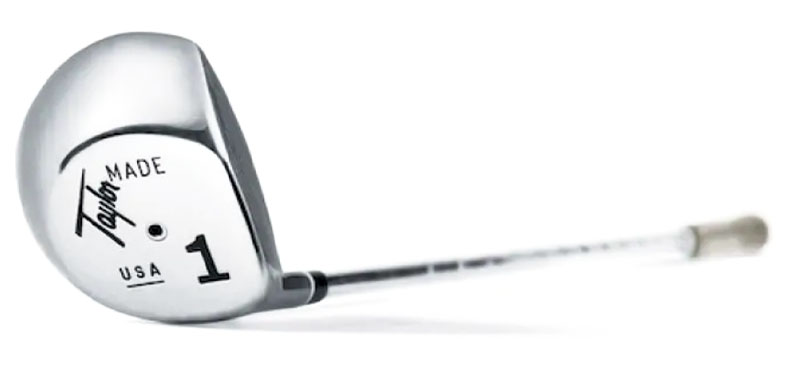
Little did they know, these old TaylorMade drivers would change the golf industry forever!
The Original “M1” and the Pittsburgh Persimmon
When the first metal driver came out, it was simply the ‘1 Metal’, or the “M1” if you will.
But less than a year later, Adams put out a handwritten sign reading “Pittsburgh Persimmon” referring to the driver head’s steel construction.
The nickname stuck and TaylorMade began etching it into the rest of the drivers in the line.
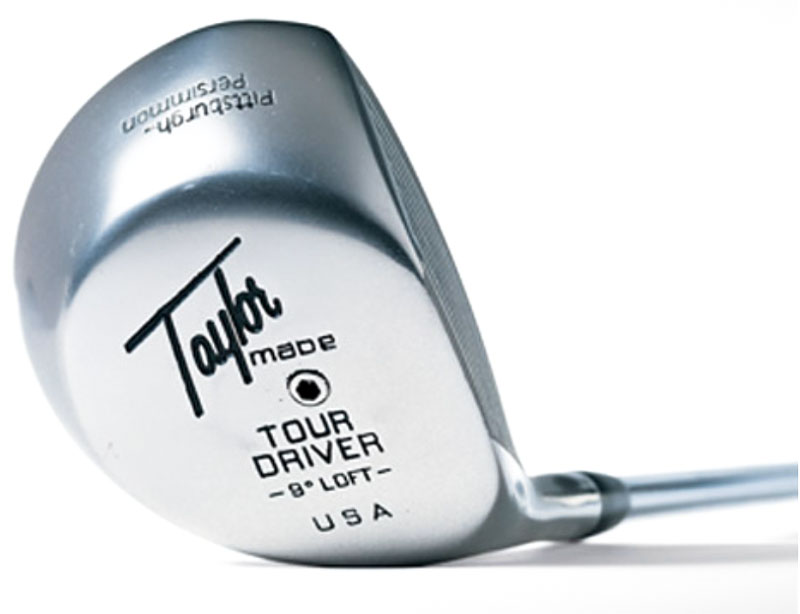
And thus, the TaylorMade Pittsburgh Persimmon driver was born in 1980.
TaylorMade Burner Drivers by Year
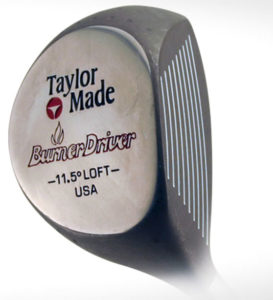
The first Burner was introduced as a 7° driver in 1983.
TaylorMade also introduced different versions of the club to accommodate various golfer’s skill levels… the Burner and Tour Burner, which ultimately found its way into 147 tour pro’s bags that same year.
Later, the Burner was used to win the 1988 U.S. Open Championship by Curtis Strange, who beat out Nick Faldo in a playoff, giving TaylorMade its first major victory.
A few years later, the Bubble Shaft Burner would claim the 1994 Masters championship with just a prototype.
The official Bubble Shaft Burner was released in 1995, officially the first graphite shaft in golf.
The Burner would make a few reprises in the early to mid 2000’s, and eventually again in 2015 as the Aeroburner Driver.
The R series Drivers
In early 2002, the Inverted Cone Technology (ICT) made its debut in the R510, R540, and R580 TaylorMade Drivers.
Get Smarter About Your Swing
Join thousands of golfers getting exclusive swing tips, club reviews, and gear guides straight to their inbox – before they hit the site.
The ICT was a major breakthrough in the industry, which significantly increased the size of the COR zone to give consistently longer tee shots. As a result, this earned TaylorMade the “Best of What’s New Award” from Popular Science Magazine.
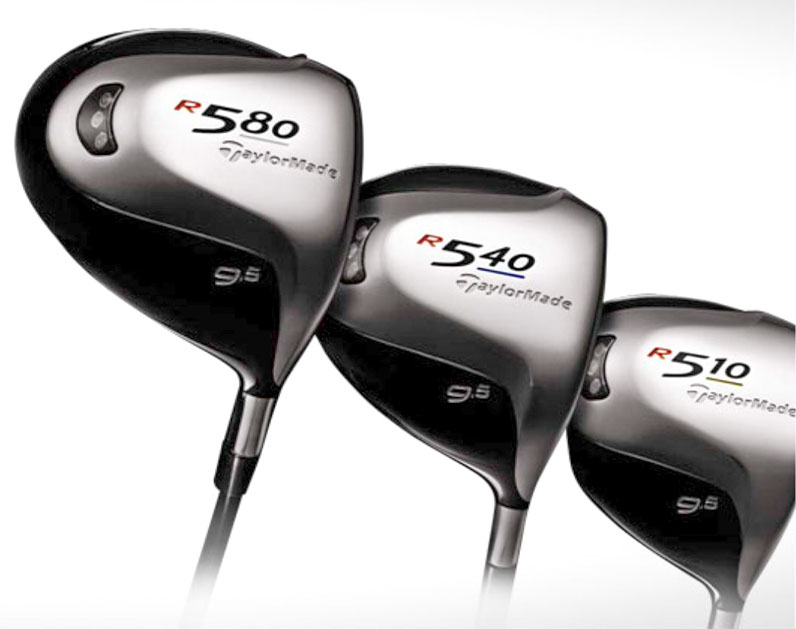
Moreover, the R series continued to innovate the industry with the first moveable weight system introduced in 2004 with the R7.
As a result, the R series would continue through the years up to the R11 and R1 in 2012 and 2013. The R series ran from 2002 through 2013, when TaylorMade transitioned to the M series.
TaylorMade M Driver History
Next came the unveiling of the M1 (a throwback to the original M1 “1 Metal” that started it all) in 2016.
The M1 introduced the fully customizable driver setup we see throughout the industry today. Complete with 2 separate slidable weights to change between draw, neutral, and fade bias; as well as high, medium, and low launch and spin settings.
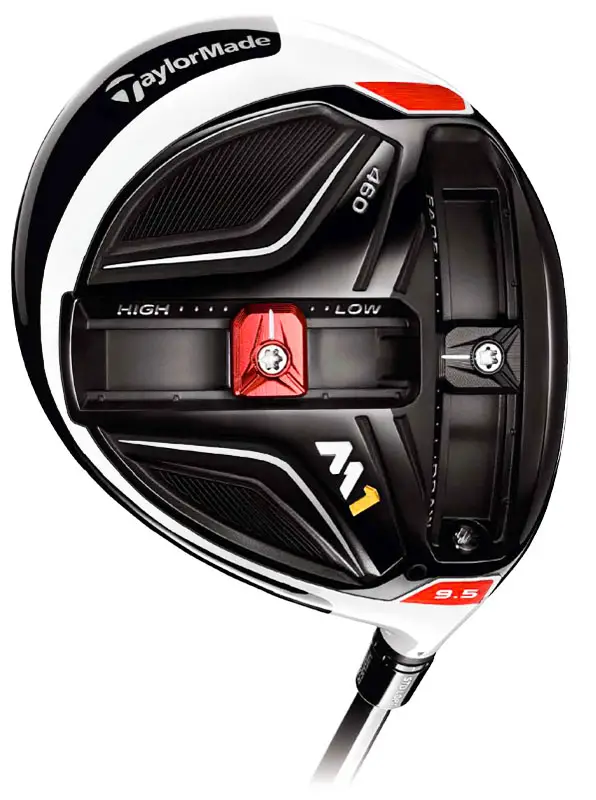
The M series continued up through the M6 in 2019.
SIM 2 Driver Series
It started with the original SIM in 2020, followed by the SIM 2 in 2021. The big “new” tech this time was TaylorMade’s Speed Injected Twist Face Technology, basically improving the ball speed thresholds right up to the maximum legal limit.
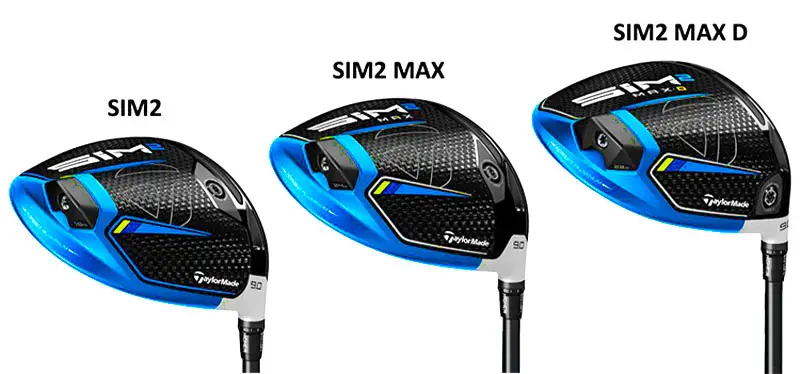
Stealth Driver Series
As one of the biggest developments in history, we can say: welcome to the new carbonwood era!
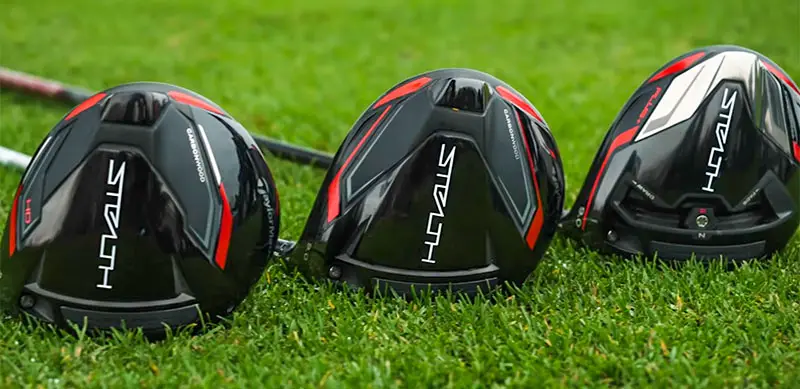
TaylorMade went out on a big limb when they secretly developed a carbon fiber face for their 2022 Stealth driver lineup.
The TaylorMade Stealth driver is going to be the model most golfers should get. It’s the most forgiving as a result of higher launch than the low spinning and low launch TaylorMade Stealth Plus driver model.
The TaylorMade Stealth HD driver is the model if you’re looking to either eliminate a slice, or simply just want to play mostly draws off the tee.
The next generation rolled out were the Stealth 2’s:
- The TaylorMade Stealth 2 Driver – Great mix of forgiveness and distance
- The TaylorMade Stealth 2 Plus – Sliding weight, pretty low spin, longest distances
- The TaylorMade Stealth 2 HD – Draw bias with high launch
2024 Qi10 Series
The Qi10 landed in 2024 as TaylorMade’s most well-rounded driver release in years. The standard Qi10 is built for a wide range of players, blending distance, forgiveness, and workability better than the Stealth 2 it replaced, with a lower CG and higher MOI that made it noticeably more stable through impact. The Qi10 LS is the low spin version built for better players and higher swing speeds who want to maximize distance with a sliding weight that adjusts between draw and fade bias.
Tour players including Tiger Woods, Scottie Scheffler, and Rory McIlroy all put the Qi10 LS in play, which tells you everything you need to know about how it performed at the highest level. The Qi10 Max rounds out the lineup as the most forgiving of the three, with a high launch profile, mid spin, and TaylorMade’s claim at the time that it was their most consistent driver across the face ever produced. It was the first TaylorMade driver to crack the 10,000 g-cm² MOI threshold, which is a meaningful number in the forgiveness conversation.
2025 Qi35 Series
The Qi35 is TaylorMade’s 2025 driver lineup and a genuine step forward from the Qi10. The big story is CG projection — moving the center of gravity lower and deeper pushes the sweet spot higher on the face for better launch, lower spin, and more ball speed on real-world strikes, not just pure center hits. The full lineup — Qi35, Qi35 LS, Qi35 Max, and Qi35 Max Lite — features a fourth-generation Carbon Twist Face, Infinity Carbon Crown, Thru-Slot Speed Pocket, and an adjustable weight system for real trajectory control. The Qi35 Max retains 10K MOI while improving mishit distance. Aesthetically, the matte grey carbon crown and chrome sole are a serious upgrade over the glossy Qi10 finish. That said, for most golfers, the Qi10 or Qi4D will likely be the better overall value but 2025 was a big year for driver advancement.
2026 Qi4D Series
The Qi4D series dropped in January 2026 and is TaylorMade’s most fittable driver family to date. The standard Qi4D is the all-around pick, built for a wide range of players with four movable TAS weights — two 9g and two 4g — that let you dial in spin, launch, and bias more precisely than anything TaylorMade has offered before. Position the heavier weights forward for lower spin and more speed, or push them back for added stability and higher MOI depending on what your game needs.
Watch
New videos every week on our youtube channel
The Qi4D LS is the low spin tour option, with a reengineered profile to cut drag and boost clubhead speed. Rory McIlroy and Tommy Fleetwood both put it in the bag immediately after release. The Qi4D Max and Max Lite are built for mid to high handicappers who want maximum forgiveness and the easiest possible launch. The Max uses an ultra-lightweight aluminum collar construction that pushes MOI even higher than the Qi10 Max, with adjustable TAS weights to fine tune the setup. Across the board the Qi4D brings a fifth-generation Carbon Twist Face and tighter spin consistency than any previous TaylorMade driver, with spin variability down to around 216 rpm compared to the Qi10’s 430 rpm. That is a real number that shows up in real results.
Frequently Asked Questions (FAQ)
The newest TaylorMade drivers for 2026 are the Qi4D series, released in January 2026. The lineup includes five models: the Qi4D, Qi4D LS, Qi4D Max, Qi4D Max Lite, and Women’s Qi4D Max Lite. The Qi4D features TaylorMade’s fifth-generation Carbon Twist Face, four movable TAS (Trajectory Adjustment System) weights, and improved aerodynamics — making it TaylorMade’s fastest and most fittable driver family to date. Tour pros Rory McIlroy and Tommy Fleetwood both put it in play immediately after its release.
TaylorMade made the first metal driver in golf history. In 1979, founder Gary Adams took out a $24,000 loan and produced a 12° stainless steel driver called the original “1 Metalwood.” Before that day, every driver in golf had been made from laminated persimmon wood. TaylorMade followed it up in 1980 with the Pittsburgh Persimmon, a nickname Adams coined by hand-writing a sign that referenced the steel head’s Pittsburgh steel construction. That name stuck and changed the industry, and the company, forever.
TaylorMade has been on roughly a one-year release cycle for drivers over the last several years, which is faster than most other brands. For example, they released the Stealth in 2022, Stealth 2 in 2023, Qi10 in 2024, Qi35 in 2025, and Qi4D in 2026.
The original TaylorMade M2 driver was released in 2017. It was one of the most popular drivers TaylorMade ever produced — known for being extremely forgiving, easy to hit, and long for a wide range of players. The M2 was part of the M series that ran from 2016 through 2019, which also included the M1, M3, M4, M5, and M6.
The original TaylorMade SIM came out in 2020 and the SIM2 followed in 2021. SIM stood for Shape In Motion, a reference to the asymmetric sole design that improved aerodynamics through the swing. The big tech upgrade in the SIM2 was Speed Injected Twist Face, which pushed ball speeds right up to the legal limit on every individual head. Both were excellent drivers and are still worth picking up at used prices today.
The SIM (2020) introduced the asymmetric sole and inertia generator that pushed weight low and back for better launch and forgiveness. The SIM2 (2021) took that platform and added a forged aluminum ring construction that allowed TaylorMade to save weight in the body and push it where it mattered most — low and in the perimeter. The SIM2 also brought in Speed Injected Twist Face for more consistent ball speeds across the face. Same DNA, meaningfully better execution.
The Qi4D is the more meaningful, and newer, upgrade. It brings a fifth-generation Carbon Twist Face, a fully adjustable four-weight TAS system, and significantly tighter spin consistency across the face and down to around 216 rpm of spin variability compared to the Qi35’s numbers. The Qi35 was a solid driver, but head-to-head testing shows the performance gap over the Qi10 was marginal. The Qi4D is where the real jump happened. If you’re on a Qi10 or older model, skip the Qi35 and go straight to the Qi4D.
The Qi4D Max is the best option for high handicappers right now. It’s TaylorMade’s most forgiving driver, with an oversized head, ultra-high MOI, and adjustable weights that make it easy to dial in a draw bias if you need help keeping the ball in play. The Qi35 Max and Qi10 Max are also excellent options at a lower price point if you want to go a generation back.
The Qi4D Max with the weights shifted to the draw position is your best bet. Before that, the Stealth HD and Stealth 2 HD were specifically built with a draw-bias design, high launch, and high MOI to help golfers fight a slice. The “HD” designation across the TaylorMade lineup stands for High Draw so any time you see that on a model name, that’s the one aimed at slicers.
The TaylorMade Qi10 Max (2024) was TaylorMade’s first driver to break the 10,000 g-cm² MOI threshold, earning it the title of their most forgiving driver at launch. The Qi35 Max matched that 10K MOI while improving mishit distance, and the Qi4D Max builds on both with an ultra-lightweight aluminum collar design for even higher MOI and tighter dispersion on off-center strikes.
LS stands for Low Spin. Any TaylorMade driver with LS in the name — like the Qi4D LS or Qi10 LS — is built for lower handicap players and higher swing speeds who want to reduce spin and maximize distance. These models typically have a smaller, more compact head shape, lower and more forward CG placement, and less offset. They’re tour-level clubs and not the right fit for most recreational golfers who actually need more spin to keep the ball in the air.
Rory McIlroy plays the TaylorMade Qi4D driver (9°, set at 7.75°) with a Fujikura Ventus Black 60g X-Stiff shaft. He switched from the Qi10 to the Qi4D in late 2025 after testing sessions convinced him it offered clear, measurable performance gains — specifically praising the driver’s spin stability on mishits.
In my opinion, skip the Qi35 — head-to-head testing shows the performance difference is marginal and the Qi35 costs roughly $120–$130 more. The Qi4D is the more meaningful upgrade, bringing a fifth-generation carbon face, tighter spin consistency across the face (down to just 216 rpm of spin variability vs. the Qi10’s 430 rpm), and a fully adjustable four-weight system that the Qi10 lacks. If you haven’t upgraded in two or more years, the Qi4D is the version worth testing.
Other Brands Drivers By Year

Leave a Comment