This post may include affiliate links. We do earn a commission for products purchased using these links (at no additional cost to you). Thank you for supporting Swing Yard, making the content you see on this blog possible. For more information, please see our privacy policy for details.
*Read our review guidelines.
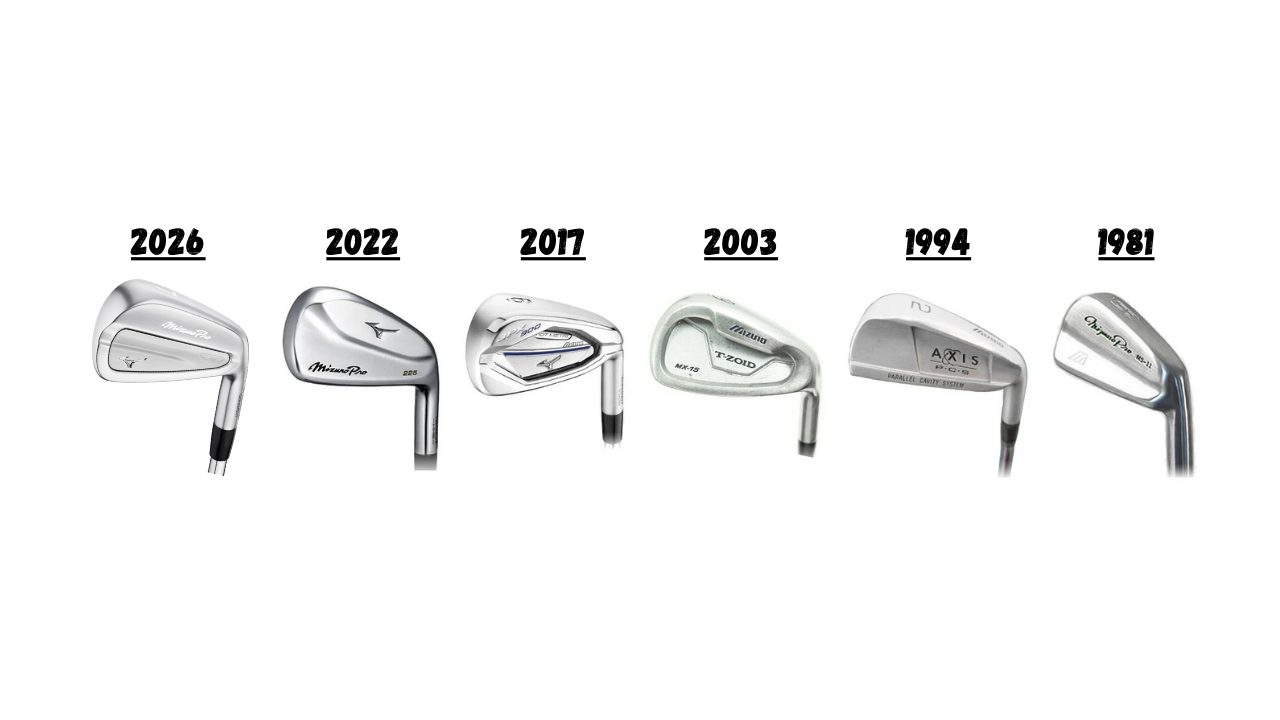
Mizuno Irons by Year Table:
| Year Released | Mizuno Iron Model | Key Innovation / What Changed | Price / Where to Buy |
|---|---|---|---|
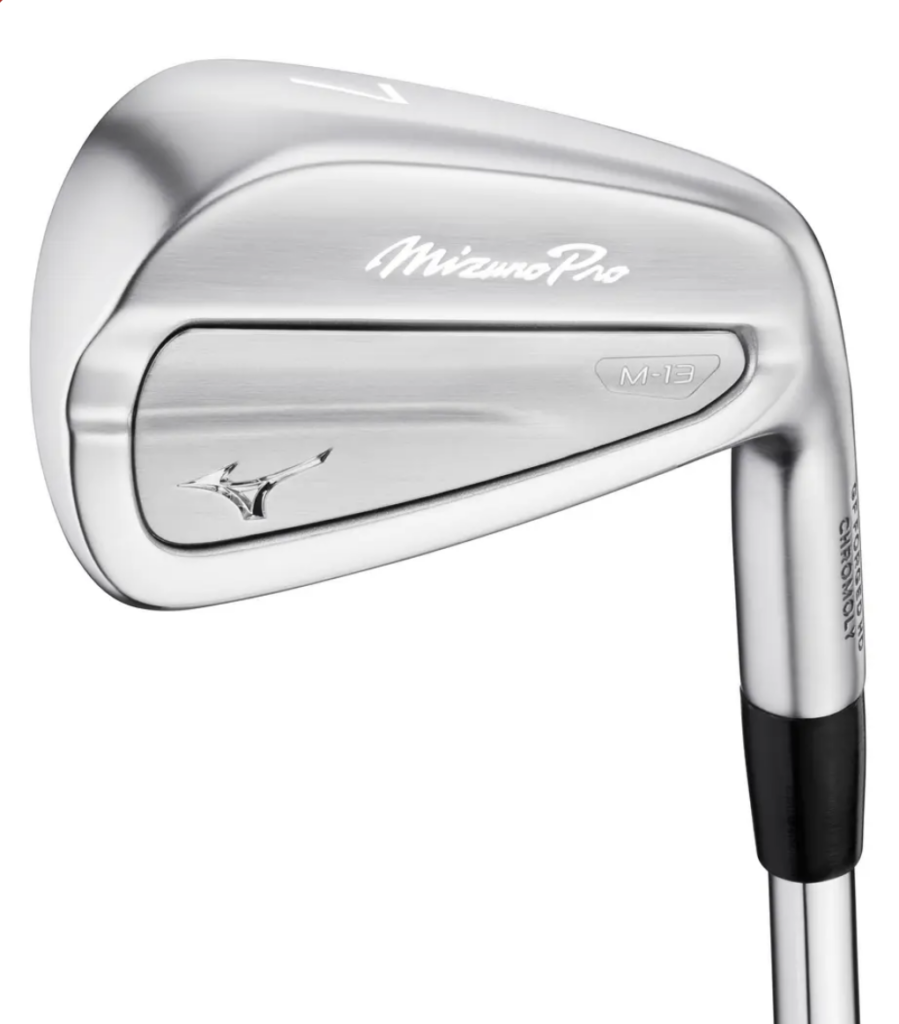
| 2026 | Pro M-13 | Mizuno’s most advanced multi-material Pro iron to date, combining a forged 1025E mild carbon steel body with a titanium face insert for maximum ball speed in a compact, tour-preferred shape. The M-13 targets low handicap players who want forged Mizuno feel alongside measurable distance gains from the titanium face construction. | |
| Pro M-15 | Larger-profile sibling to the Pro M-13 with added forgiveness through a wider sole and deeper CG. The M-15 brings the titanium face and multi-material construction to mid-handicap players who want Mizuno Pro performance in a more accessible package than the M-13. | ||
| 2025 | MX Speed Metal | Revival of the MX name in 2025 with a new chromoly steel body construction for maximum distance and forgiveness. The MX Speed Metal targets mid-to-high handicap players wanting the highest ball speed and launch in Mizuno’s 2025 game-improvement iron range. | |
| JPX 925 Forged | Updated JPX forged iron with refined Grain Flow Forging HD and an improved chromoly steel construction for better feel and distance than the JPX 923 Forged. A mid-player iron for better handicap golfers who want forged Mizuno quality with meaningful yardage gains over traditional forged designs. | ||
| JPX 925 HM Pro | Compact Hot Metal construction targeting better players within the JPX Hot Metal family. The HM Pro features a thinner topline and reduced offset than the standard Hot Metal, delivering JPX distance technology in a shape preferred by stronger ball strikers who still want the Hot Metal’s speed advantages. | ||
| JPX 925 Hot Metal | Updated Hot Metal with a new chromoly 4140M face for more ball speed than the JPX 923 Hot Metal. A stronger lofted, high-launch game-improvement iron with a hollow body construction for mid-handicap players wanting maximum distance from a Mizuno iron. | ||
| JPX 925 HM HL | High-launch version of the JPX 925 Hot Metal with a lower, more rearward CG to maximize ball flight for moderate swing speeds. Built for mid-to-high handicap players who need more launch angle from the Hot Metal platform to maximize distance and carry. | ||
| Pro S-1 | Forged 1025E mild carbon steel players iron in a traditional compact blade profile. The Pro S-1 is Mizuno’s purest feedback iron for scratch and tour players who prioritize shot shaping, feel, and precision over forgiveness or distance. | ||
| Pro S-3 | Cavity back companion to the Pro S-1 in forged 1025E carbon steel offering better players a modest forgiveness upgrade without departing from the Mizuno Pro aesthetic. The S-3 is the most accessible iron in the 2025 Mizuno Pro forged lineup for low handicap players wanting a traditional look with slightly more stability on misses. | ||
| 2024 | Pro 241 | Pure muscle back forged blade from 1025E mild carbon steel with Grain Flow Forging HD for the best feel Mizuno produces. The Pro 241 is the definitive Mizuno iron for scratch and tour players who demand maximum feedback and shot shaping control, continuing the legacy of the MP blade series under the modern Pro naming structure. | |
| Pro 243 | Compact cavity back forged iron in 1025E carbon steel positioned between the blade Pro 241 and the more forgiving Pro 245. The Pro 243 offers low handicap players a balance of feel and modest forgiveness in a clean, workable profile that suits better players who want slightly more consistency than a pure blade provides. | ||
| Pro 245 | The most forgiving iron in the 2024 Mizuno Pro forged lineup, featuring a hollow body construction with a copper underlay for dampening and a forged 1025E carbon steel face. The Pro 245 delivers Mizuno Pro feel alongside game-improvement level forgiveness for mid-handicap players who want the Pro name without sacrificing accessibility. | ||
| 2023 | JPX923 Hot Metal | Updated Hot Metal with a new CORTECH face that increased the variable thickness hitting area for more consistent ball speed across the face. The JPX 923 Hot Metal delivered measurably more distance than its predecessor through improved face flex while maintaining the hollow body construction that defines the Hot Metal series. | |
| JPX923 Hot Metal Pro | Compact pro version of the JPX 923 Hot Metal with a thinner topline and reduced offset for stronger players. The HM Pro delivers Hot Metal ball speed in a shape that better players can aim and work the ball with, without the wide sole and high offset of the standard Hot Metal. | ||
| JPX923 Hot Metal HL | High-launch JPX 923 with a deeper, more rearward CG than the standard Hot Metal for maximum launch angle. Built specifically for mid-to-high handicap players and moderate swing speeds who need more carry and height to maximize distance from the Hot Metal platform. | ||
| JPX923 Forged | Updated JPX Forged with an improved chromoly 4140M construction for better ball speed from a forged iron than prior generations. The JPX 923 Forged remains the go-to Mizuno iron for mid-handicap players who want legitimate forged feel alongside distance gains they would normally only find in a hollow game-improvement head. | ||
| JPX923 Tour | Tour-spec JPX iron in a compact forged body for better players who want the JPX platform’s distance technology in a thin-topline, workable profile. The JPX 923 Tour sits closest to the MP blade tradition within the JPX lineup, offering strong players a tour-shaped iron with modern ball speed gains. | ||
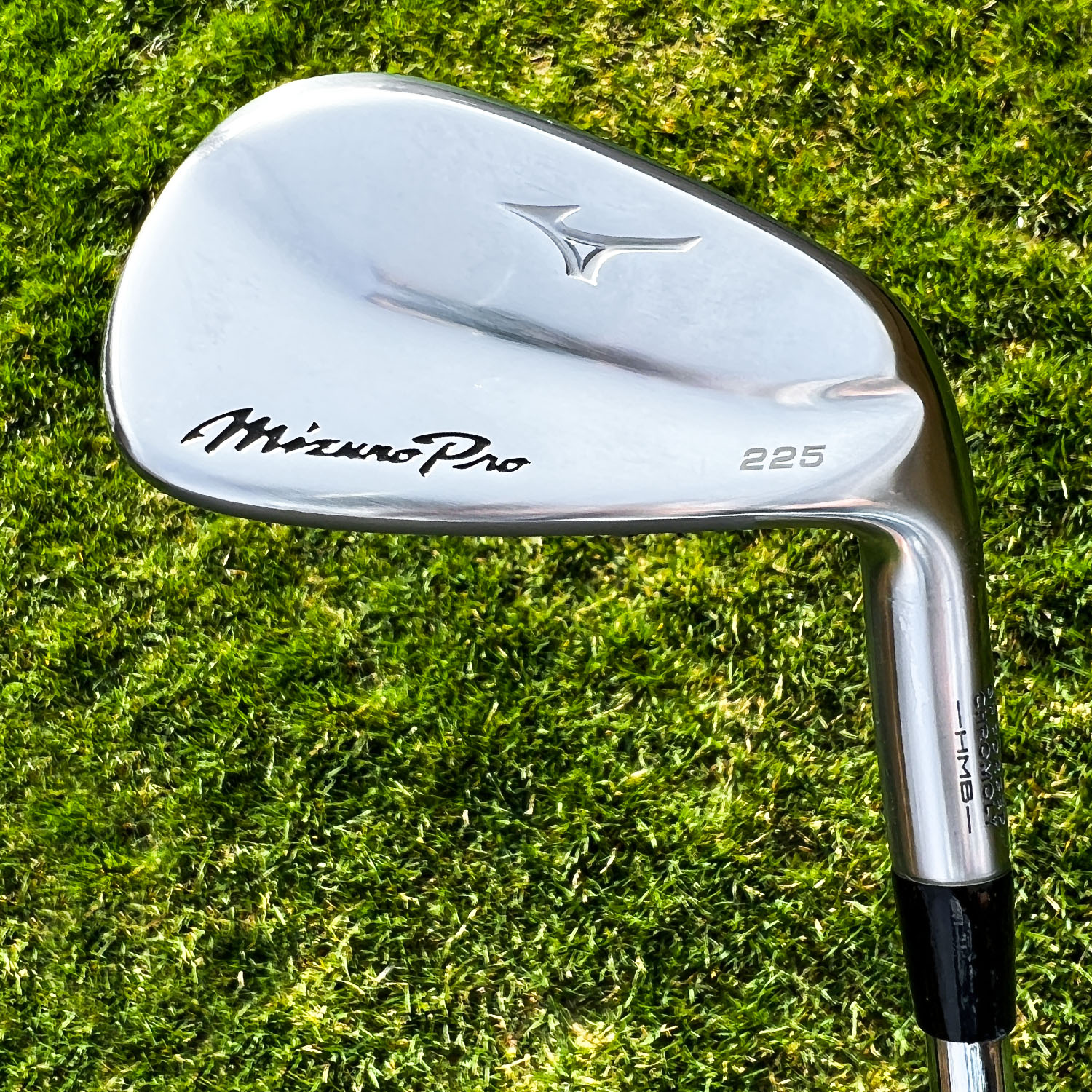
| 2022 | Pro 221 | Launched the modern Mizuno Pro numbered series, replacing the MP naming convention. The Pro 221 is a pure muscle back forged blade in 1025E mild carbon steel with Grain Flow Forging HD, targeting scratch and tour players who want the most demanding and feedback-rich iron Mizuno produces. | |
| Pro 223 | Compact cavity back forged iron in the new Pro series, forged from 1025E carbon steel with a small cavity for modest forgiveness over the pure blade Pro 221. The Pro 223 is the mid-point in the 2022 Pro lineup for low handicap players who want workability with slightly more consistency than a blade delivers. | ||
| Pro 225 | Most forgiving iron in the 2022 Mizuno Pro series with a hollow body construction and a copper underlay for vibration dampening. The Pro 225 delivers the Pro forged aesthetic and feel alongside genuine game-improvement forgiveness for mid-handicap players stepping into the Pro lineup for the first time. | ||
| 2021 | JPX921 Hot Metal | Introduced a new CORTECH variable face thickness design for the Hot Metal series, expanding the fast zone across a larger portion of the face than the JPX 919 generation. The JPX 921 Hot Metal delivered measurably more distance and better off-center performance through the improved face architecture. | |
| JPX921 Hot Metal Pro | Compact Hot Metal Pro with CORTECH face technology in a reduced-offset, thinner-topline profile for better players. The JPX 921 HM Pro gave stronger players access to Hot Metal ball speed without the wide sole and high offset that made the standard model unsuitable for workability-focused golfers. | ||
| JPX921 Forged | Updated JPX Forged with a new chromoly 4140M construction for improved ball speed over the JPX 919 Forged. One of the most well-regarded mid-player irons of its era, delivering genuine forged feel with distance performance that matched many hollow game-improvement irons at the time of release. | ||
| JPX921 Tour | Tour-spec compact JPX iron with a forged body and thin topline for better players who want JPX distance technology in a workable, players-preferred shape. The JPX 921 Tour sits at the intersection of the JPX performance platform and the traditional MP aesthetic that Mizuno tour players have always relied on. | ||
| 2020 | MP-20 SEL | The SEL (Seamless Entry Loft) iron brought a unique seamless construction to the MP line, removing the step between the blade face and the topline for a cleaner look at address. A mid-cavity forged iron in 1025E carbon steel targeting low-to-mid handicap players who appreciated the seamless aesthetic alongside Mizuno’s signature forged feel. | |
| MP-20 MMC | Multi Material Construction iron combining a forged 1025E carbon steel body with a chromoly steel face insert for more ball speed than a traditional forged iron. The MP-20 MMC gave mid-handicap players who preferred the MP name genuine distance gains alongside the forged feel the series is known for. | ||
| MP-20 HMB | Hot Metal Blade construction bringing the JPX Hot Metal’s chromoly 4140M face into an MP blade-style profile. The MP-20 HMB was the first iron to combine the Hot Metal’s distance performance with the compact, minimal aesthetic of the MP blade, giving stronger players the best of both Mizuno platforms. | ||
| MP-20 MB | Pure muscle back forged blade in 1025E mild carbon steel with Grain Flow Forging HD. The MP-20 MB is the definitive Mizuno blade of its generation, offering scratch and tour players the most direct, unfiltered feel and feedback available in a Mizuno iron at the time of release. | ||
| 2019 | JPX919 Hot Metal | Introduced a new chromoly 4140M steel face to the Hot Metal series for the first time, replacing the prior generation’s standard stainless construction. The JPX 919 Hot Metal delivered ball speeds that matched many titanium-faced competitors through the chromoly face’s superior flex characteristics, setting the template for all future Hot Metal generations. | |
| JPX919 Hot Metal Pro | First Hot Metal Pro variant, launching the compact HM Pro concept alongside the standard JPX 919 Hot Metal. The HM Pro brought the chromoly 4140M face into a reduced-offset, smaller-profile head for better players who wanted Hot Metal distance in a more workable shape than the standard model offered. | ||
| JPX919 Forged | Updated JPX Forged in chromoly 4140M steel for improved ball speed over prior carbon steel forged generations. The JPX 919 Forged was widely praised as the best value in Mizuno’s lineup, delivering forged feel alongside game-improvement distance for mid-handicap players who didn’t want to choose between the two. | ||
| JPX919 Tour | Compact tour-spec JPX iron with a forged body and chromoly face insert for better players wanting JPX distance in a traditional, workable profile. The JPX 919 Tour gave low handicap players the speed gains of the chromoly JPX platform without the game-improvement aesthetics of the standard JPX 919. | ||
| 2018 | MP-18 | Updated MP blade in 1025E mild carbon steel with refined progressive shaping and updated sole geometry for improved turf interaction. The MP-18 maintained the pure forged blade tradition that Mizuno’s tour players had relied on for decades, with subtle updates to head geometry over the MP-25 generation. | |
| MP-18 SC | Soft Cavity version of the MP-18 offering low handicap players a small cavity for modest forgiveness over the pure blade. The MP-18 SC preserved the MP-18’s clean aesthetic and forged feel while adding a shallow cavity that improved consistency on slightly off-center strikes without compromising the traditional MP look at address. | ||
| MP-18 MMC | Multi Material Construction MP iron combining a forged 1025E carbon steel body with a faster chromoly steel face insert. The MP-18 MMC gave mid-handicap players who valued the MP name genuine ball speed gains alongside the forged feel that separates Mizuno from cast iron competitors. | ||
| 2017 | JPX900 Hot Metal | Launched the Hot Metal concept as a distinct JPX sub-platform for the first time. The JPX 900 Hot Metal used a new high-strength steel face construction for more ball speed than conventional stainless faces, establishing the Hot Metal as Mizuno’s dedicated distance-iron platform for mid-handicap players going forward. | |
| JPX900 Forged | Updated JPX Forged with a new Grain Flow Forging HD process for tighter grain structure and improved feel over the JPX 850 Forged. A mid-player iron balancing forged Mizuno feel with the JPX platform’s distance performance for mid-handicap golfers who wanted more yardage from a forged iron. | ||
| JPX900 Tour | Compact forged JPX tour iron with a thin topline and reduced offset for low handicap players. The JPX 900 Tour was the first JPX Tour model to use Grain Flow Forging HD, delivering the improved grain structure and feel of the new forging process in a tour-preferred compact shape. | ||
| 2016 | MP-5 | Mid-cavity forged iron in 1025E carbon steel bridging the gap between the pure blade MP-25 and the more forgiving MMC designs. The MP-5 offered low-to-mid handicap players a workable forged iron with a modest cavity providing more forgiveness than the MP-25 without the performance compromises of game-improvement designs. | |
| MP-25 | Traditional forged 1025E carbon steel MP blade with an updated sole grind and refined leading edge geometry over prior MP generations. The MP-25 maintained the pure blade tradition with subtle improvements to turf interaction, continuing as the benchmark Mizuno blade for scratch and tour players. | ||
| 2015 | JPX850 | Updated JPX game-improvement iron with a new undercut cavity and improved face flex over the JPX 825 generation. The JPX 850 delivered better distance consistency through improved internal weighting and face architecture for mid-to-high handicap players wanting reliable yardage from a Mizuno iron. | |
| JPX850 Forged | Forged version of the JPX 850 in a carbon steel body with improved ball speed over the JPX 825 Forged. One of the earliest JPX Forged models to truly close the distance gap between a forged iron and a cast game-improvement design, making it a landmark model in Mizuno’s forged iron history. | ||
| MP-15 | Forged 1025E carbon steel MP blade with updated progressive shaping and a refined topline over prior MP generations. The MP-15 maintained the classic MP blade identity that tour players demanded while tightening manufacturing tolerances for more consistent performance from iron to iron across a set. | ||
| 2014 | JPX EZ | Easy-launch JPX iron with a wide sole and deep undercut cavity for high-handicap players wanting the most accessible iron in Mizuno’s lineup. The JPX EZ prioritized launch, forgiveness, and ease of play above all else, representing Mizuno’s most game-improvement-oriented design of the era. | |
| JPX EZ Forged | Forged version of the JPX EZ in a carbon steel body, offering a rare combination of Mizuno forged feel with the wide-sole, high-launch design of the easy-launch JPX platform. Targeted at mid-handicap players who wanted forged iron quality in a more accessible, higher-launching head than conventional forged designs. | ||
| MP-H5 | Hybrid-influenced MP iron with a hollow body construction for higher launch and more forgiveness than a traditional MP blade. The MP-H5 bridged the MP and JPX worlds for mid-handicap players who wanted the MP name and forged-like feel with the accessibility of a game-improvement head profile. | ||
| MP-4 | Pure forged 1025E carbon steel blade with a minimal profile and Grain Flow Forging for maximum feedback. The MP-4 was one of the purest and most uncompromising blades Mizuno produced in this era, used by tour players who wanted the most demanding iron available within the MP lineup. | ||
| MP-54 | Mid-cavity forged MP iron in 1025E carbon steel offering low-to-mid handicap players a balance of forged feel and modest forgiveness. The MP-54 sat between the pure blade MP-4 and the more forgiving MP-H5, targeting golfers who wanted a workable players iron with a slightly wider sweet spot than a pure blade. | ||
| 2013 | JPX 825 | Updated JPX game-improvement iron with improved face flex and updated undercut cavity over the JPX 800 generation. The JPX 825 refined the JPX platform’s distance and forgiveness formula with better internal mass distribution for more consistent launch and ball speed for mid-to-high handicap players. | |
| JPX 825 Pro | Compact pro version of the JPX 825 with a thinner topline and reduced offset for better players. Brought the JPX 825’s improved face technology and internal weighting to a workable, players-preferred profile without the wide sole and high offset of the standard JPX 825. | ||
| MP-64 | Forged 1025E carbon steel MP iron with a mid-cavity design offering low handicap players more consistency than a pure blade. The MP-64 was particularly well-regarded for its progressive shaping, with longer irons featuring more cavity support and shorter irons delivering a blade-like feel, making it one of the most versatile MP sets of its generation. | ||
| 2012 | JPX 800 Pro | Compact pro version of the JPX 800 with a thinner topline and reduced offset for stronger players. The JPX 800 Pro was the first JPX Pro variant, establishing the pattern of offering a workable, compact JPX option alongside the standard game-improvement model that has continued across every JPX generation since. | |
| MP-59 | Mid-cavity forged MP iron in 1025E carbon steel with a clean, workable profile for low-to-mid handicap players. The MP-59 offered more forgiveness than the pure blade MP-69 in the same generation while maintaining the Mizuno forged feel that defined the MP line, making it one of the most popular MP models of the early 2010s. | ||
| MP-69 | Pure forged blade in 1025E mild carbon steel with minimal cavity and maximum feedback. The MP-69 was Mizuno’s definitive tour blade of the early 2010s, used by tour professionals who demanded the most uncompromising forged iron Mizuno could produce and considered one of the finest feeling blades of its era. | ||
| MP-H4 | Hollow-body MP iron with a forged face and internal polymer cavity for high launch and improved forgiveness within the MP family. The MP-H4 targeted mid-handicap players who wanted the MP name without the demands of a pure blade, offering hybrid-influenced forgiveness in a compact MP-inspired head shape. | ||
| 2011 | JPX 800 | Introduced the JPX 800 platform as Mizuno’s dedicated game-improvement iron, separate from the premium MP forged line. The JPX 800 used a stainless cavity construction with improved sole weighting for more consistent launch and forgiveness than prior Mizuno game-improvement designs, establishing the JPX platform’s long-term identity. | |
| MP-53 | Mid-cavity forged MP iron in 1025E carbon steel positioned for low-to-mid handicap players who wanted more forgiveness than the pure blade MP-63. The MP-53 featured progressive cavity depth with a larger cavity in the long irons tapering to a near-blade short iron profile for the most versatile feel across the set. | ||
| MP-63 | Pure forged blade in 1025E mild carbon steel offering scratch and tour players maximum feedback and workability. The MP-63 was the tour-preferred blade within the 2011 Mizuno lineup, continuing the lineage of legendary MP blades that had made Mizuno the benchmark for forged iron feel across multiple generations. | ||
| 2010 | MX-300 | Mid-size game-improvement MX iron with an improved undercut cavity and updated face flex design for more consistent ball speed. The MX-300 continued the MX platform’s role as Mizuno’s accessible mid-handicap offering, sitting below the premium MP forged line with cast construction and a wider sweet spot. | |
| MX-1000 | Maximum game-improvement MX iron with the widest sole and deepest cavity in the 2010 Mizuno lineup. The MX-1000 targeted high-handicap and senior players who needed the most forgiving and easiest-launching iron Mizuno offered, positioned as the anti-thesis to the demanding MP blade line within the same brand. | ||
| MP-58 | Mid-cavity forged MP iron in 1025E carbon steel with a progressive cavity design. The MP-58 offered low-to-mid handicap players forged Mizuno feel with modest forgiveness, featuring a larger cavity in the long irons and a near-blade profile in the short irons for the most feel in the scoring clubs. | ||
| MP-68 | Pure forged blade in 1025E mild carbon steel widely regarded as one of the finest feeling Mizuno irons ever made. The MP-68 is a benchmark blade in golf equipment history, used extensively by tour professionals and scratch golfers who consider it the standard against which all other forged irons are measured. | ||
| 2009 | MX-100 | Entry-level MX game-improvement iron with a wide sole and deep cavity for high-handicap players. The MX-100 provided Mizuno’s most accessible and forgiving iron at an entry price point, making the brand available to recreational golfers who wanted Mizuno quality without the demands of a forged iron. | |
| MX-200 | Mid-size MX game-improvement iron positioned between the forgiving MX-100 and the more compact MX-300. The MX-200 offered mid-handicap players a balance of forgiveness and playability within the MX cast stainless lineup, with improved CG depth over the prior MX generation for better launch consistency. | ||
| MP-52 | Forged 1025E carbon steel MP iron with a mid-cavity design for low-to-mid handicap players. The MP-52 offered more forgiveness than the pure blade MP-62 in the same generation while maintaining genuine forged Mizuno feel, making it the most popular entry point into the MP forged family for players moving up from game-improvement irons. | ||
| MP-62 | Pure forged blade in 1025E mild carbon steel and one of the most celebrated irons in Mizuno’s history. The MP-62 is often cited alongside the MP-68 as a benchmark Mizuno blade, delivering the pure grain flow forged feel that made Mizuno the preferred iron brand for tour professionals and serious amateur players worldwide. | ||
| 2008 | MX-950 | Game-improvement MX iron with a wide cavity, improved undercut design, and updated sole weighting for more consistent launch over the prior MX generation. The MX-950 targeted mid-to-high handicap players wanting the most forgiving cast iron in Mizuno’s 2008 lineup with better distance consistency than the MX-900. | |
| MP-52 | Earlier release of the MP-52 before the 2009 updated version. Forged 1025E carbon steel mid-cavity MP iron for low-to-mid handicap players, establishing the MP-52 as the entry point into Mizuno’s forged lineup for players transitioning away from cast game-improvement irons. | ||
| 2007 | MX-19 | Compact mid-size MX iron with a thinner topline and reduced offset for players transitioning from game-improvement to players irons. The MX-19 sat between the demanding MP blades and the wide-body MX cast irons, offering a stepping-stone option for mid-handicap players improving their game. | |
| MX-25 | Mid-size game-improvement MX iron with improved cavity depth and updated sole geometry over prior MX models. The MX-25 targeted mid-handicap players who needed more forgiveness than the MP forged line offered but wanted a Mizuno iron with a more compact feel than the wide-body MX-900 generation. | ||
| MP-67 | Forged 1025E carbon steel MP blade with a compact profile and Grain Flow Forging for premium feel. The MP-67 continued the MP blade tradition in a slightly more accessible shape than the ultra-thin MP-32, offering low handicap players a pure forged experience with marginally more stability on off-center hits. | ||
| 2006 | MX-900 | Wide-body game-improvement MX iron with a deep undercut cavity and high-offset design for maximum forgiveness. The MX-900 was Mizuno’s most forgiving cast iron of the mid-2000s, targeting high-handicap players who wanted Mizuno quality in the most accessible possible package. | |
| 2005 | MX-17 | Compact mid-size MX iron with a workable profile for mid-handicap players who wanted a smaller head than standard game-improvement designs. The MX-17 offered a cleaner look at address than the wide-body MX models, bridging the gap between the MP forged line and the full game-improvement MX offerings. | |
| MP-60 | Forged 1025E carbon steel MP iron with a mid-cavity design for low-to-mid handicap players. The MP-60 offered more forgiveness than the pure blade MP-32 in the same era with a clean cavity profile that maintained the MP’s workable aesthetic while providing better consistency on slightly off-center strikes. | ||
| 2004 | MX-23 | Mid-size MX cast iron with improved cavity geometry and updated sole weighting over the prior generation. The MX-23 targeted mid-handicap players who wanted Mizuno quality with a more accessible, forgiving head than the demanding MP forged irons, at a price point below the premium forged lineup. | |
| MP-32 | Ultra-thin blade forged from 1025E mild carbon steel with a minimal profile and virtually no cavity. The MP-32 is one of the most demanding and celebrated Mizuno irons ever made, widely used by tour professionals and considered a benchmark pure blade for its exceptional feel and workability that few irons have matched since. | ||
| MP-37 | Forged 1025E carbon steel MP iron with a mid-cavity design offering more forgiveness than the ultra-thin MP-32. The MP-37 targeted low-to-mid handicap players who wanted genuine Mizuno forged feel with a slightly wider sweet spot than the blade, making it a popular alternative for players who found the MP-32 too demanding. | ||
| 2003 | MX-15 | Wide-body game-improvement cast iron with a deep undercut cavity for maximum forgiveness. The MX-15 was one of Mizuno’s most accessible irons of the early 2000s, targeting high-handicap players who wanted the Mizuno name and quality in the most forgiving and easy-to-launch design available at the time. | |
| MP-30 | Forged 1025E carbon steel MP iron with a workable mid-cavity profile for low-to-mid handicap players. The MP-30 was a widely praised Mizuno iron of the early 2000s, offering a traditional forged feel with a small cavity that improved consistency without the game-improvement aesthetics that better players disliked. | ||
| 2002 | Widec II | Updated Widec design with improved cavity geometry over the original for better forgiveness and more consistent distance on off-center hits. The Widec II continued Mizuno’s early 2000s effort to expand its lineup beyond the MP forged tradition with accessible cast designs for mid-to-high handicap players. | |
| MX-20 | Mid-size MX cast iron with a traditional cavity design and improved sole geometry for better turf interaction over the prior generation. The MX-20 offered mid-handicap players Mizuno quality in a cast construction at an accessible price point below the premium forged MP line. | ||
| MP-33 | Forged 1025E carbon steel MP blade with a clean traditional profile and Grain Flow Forging for maximum feel. The MP-33 was highly regarded by tour players of the early 2000s as one of the purest and most precise feeling blades in Mizuno’s catalog, used by professionals who trusted the MP name for its unmatched forged quality. | ||
| 2001 | Comp CT | Cast composite iron using a titanium insert in the face for improved ball speed over conventional stainless designs. The Comp CT was one of Mizuno’s early attempts at multi-material iron construction, targeting mid-handicap players who wanted technology-driven distance gains without moving to the premium forged MP lineup. | |
| 2000 | Pro II | Forged carbon steel iron continuing the Pro series that predated the modern MP naming convention. The Pro II targeted scratch and low handicap players with a compact, traditional forged blade profile that delivered the pure Mizuno feel the brand was already famous for in the late 1990s and early 2000s. | |
| 1999 | T-Zoid Sure | Game-improvement T-Zoid iron with a wide sole and deep undercut cavity for high-handicap players. The T-Zoid Sure was the most forgiving iron in Mizuno’s 1999 lineup, continuing the T-Zoid platform’s mission of making the game more accessible for recreational golfers while keeping the Mizuno quality standard. | |
| Comp EZ | Easy-launch composite iron with a lightweight construction and high offset for maximum forgiveness and launch. The Comp EZ targeted the most casual golfer in Mizuno’s range, combining composite technology for weight savings with a high-launching head profile to make the game as accessible as possible. | ||
| 1998 | True | Forged cavity back iron in the MP tradition targeting low-to-mid handicap players with a clean profile and traditional Mizuno forged feel. The True was part of Mizuno’s late 1990s effort to offer multiple forged options at different price points alongside the flagship MP blades. | |
| T-3 | Cast stainless game-improvement iron from the T-series with a cavity back design for mid-to-high handicap players. Part of Mizuno’s late 1990s T-series cast lineup that ran alongside the forged MP line to give recreational players access to Mizuno quality at an accessible price point. | ||
| 1997 | Widec | Wide cavity cast iron with a deep undercut and high offset for maximum forgiveness. The original Widec was one of Mizuno’s earliest dedicated game-improvement designs, targeting high-handicap players who needed the widest possible sweet spot and the most forgiving head in the brand’s lineup. | |
| Pro | Forged carbon steel iron in the Pro tradition before the MP numbering system became standard. Targeted scratch and low handicap players with a compact blade profile and the pure forged Mizuno feel that was already establishing the brand as the benchmark for iron quality at the professional level. | ||
| T-Zoid O/S | Oversize T-Zoid cast iron with a larger head profile for more forgiveness than standard T-Zoid models. One of Mizuno’s first oversize game-improvement designs, expanding the T-Zoid platform to reach high-handicap players who needed maximum forgiveness in a larger cavity back head. | ||
| 1996 | TP-21 | Tour Performance forged iron in a traditional compact blade profile. The TP series represented Mizuno’s professional-grade forged offerings of the mid-1990s, targeting scratch players and club professionals who demanded the precision and feedback of a pure forged blade before the modern MP naming convention took over. | |
| Sterling | Cast stainless game-improvement iron offering mid-to-high handicap players Mizuno quality in an accessible, affordable cavity back design. The Sterling was part of Mizuno’s mid-1990s effort to expand beyond the tour-focused forged line to serve recreational golfers who wanted the Mizuno name without the demands of a forged blade. | ||
| 1995 | TC-29 | Titanium composite iron using a titanium face insert in a stainless steel body, one of Mizuno’s earliest experiments with multi-material iron construction. The TC-29 targeted mid-handicap players who wanted technology-driven distance and forgiveness gains at a time when titanium was a new and exciting material in iron design. | |
| TP-Z | Tour Performance forged iron with a traditional compact profile updated for 1995. A continuation of the TP series for scratch and low handicap players who wanted a pure forged Mizuno blade with updated sole geometry for improved turf interaction over prior TP generations. | ||
| TPZ Cast | Cast stainless version of the TP-Z shape, offering mid-handicap players the aesthetics of the TP-Z in a more affordable cast construction. Made the Tour Performance look accessible to a wider range of players who wanted the compact TP profile without the premium cost of the forged version. | ||
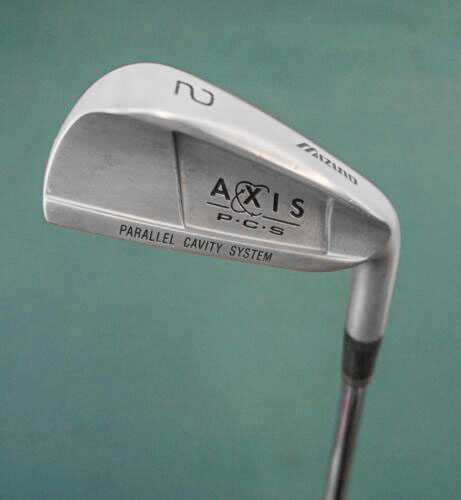
| 1994 | MP-14 | One of Mizuno’s most celebrated and historically significant forged blades, the MP-14 is considered by many to be the finest feeling iron Mizuno ever produced. A pure 1025E carbon steel muscle back with Grain Flow Forging and a minimal profile, used by numerous tour professionals in the 1990s and still revered by equipment collectors and serious players as the benchmark for forged iron feel. | |
| Axis | Cast game-improvement iron with a perimeter-weighted cavity back for mid-to-high handicap players. The Axis was part of Mizuno’s early 1990s effort to serve recreational golfers with affordable, forgiving cast options that ran alongside the premium forged tour line. | ||
| Astron G3 | Updated Astron game-improvement iron with improved cavity geometry over the prior G2 for better forgiveness and launch consistency. Part of Mizuno’s dedicated game-improvement series for high-handicap and recreational players who wanted accessible Mizuno quality. | ||
| 1993 | TP-19 | Tour Performance forged iron in a compact blade profile targeting scratch players who wanted a pure forged Mizuno in the early 1990s. The TP-19 continued Mizuno’s tradition of producing world-class forged irons before the MP naming convention became the dominant branding structure for the company’s premium blades. | |
| TP-2000 | Higher-launch Tour Performance model with slightly more cavity support than the pure blade TP-19 for low-to-mid handicap players. The TP-2000 offered a workable players iron within the TP series for golfers who wanted the TP aesthetic without the full demands of the blade. | ||
| Faldo Jnr | Junior iron set developed in collaboration with Nick Faldo, reflecting Mizuno’s partnership with one of the world’s top players of the early 1990s. The Faldo Jnr offered young players a quality iron set built on Mizuno’s engineering expertise, capitalizing on Faldo’s multiple major championship victories and association with the brand. | ||
| Paragon/Ti | Titanium-insert game-improvement iron exploring multi-material construction in the early 1990s. The Paragon/Ti used a titanium face in a stainless steel body to deliver faster ball speed than conventional cast designs, representing Mizuno’s early research into multi-material iron technology that would inform later designs including the TC-29 and modern Pro M-13. | ||
| 1992 | MP-29 | Forged 1025E carbon steel MP blade continuing the MP series that predates Mizuno’s modern iron numbering. The MP-29 is considered one of the finest irons of the early 1990s, delivering the Grain Flow Forged feel that made Mizuno irons the preferred choice for tour professionals worldwide during one of the most competitive eras of professional golf. | |
| TCD | Tour Cavity Design forged iron offering low handicap players modest cavity support alongside traditional Mizuno forged feel. The TCD represented Mizuno’s early 1990s effort to give better players a slight forgiveness upgrade over the pure blade while maintaining the compact, minimal aesthetic the brand’s tour players demanded. | ||
| ZP-1 | Zero-offset players iron in a compact forged profile for scratch players who preferred a clean, minimal look at address with no visible offset. One of Mizuno’s more unusual 1992 offerings, targeting advanced players who wanted precise face-to-target alignment without the offset that many irons of the era incorporated. | ||
| Faldo ID | Nick Faldo signature iron produced during Faldo’s peak years of dominance, reflecting the partnership between Mizuno and one of golf’s greatest players. The Faldo ID combined tour-caliber forged construction with Faldo’s personal input on head geometry and feel, making it one of the most historically significant signature irons Mizuno produced. | ||
| Notus | Game-improvement cast iron for mid-to-high handicap players with a wide cavity and perimeter weighting. The Notus served recreational golfers who wanted Mizuno quality in an accessible, forgiving head without the demands of the forged MP and TP blades that defined the brand’s premium lineup. | ||
| 1991 | Z-1 | Forged players iron in a compact profile for low handicap players. The Z-1 represented Mizuno’s commitment to producing world-class forged irons at a time when the brand was establishing itself as the dominant iron manufacturer among tour professionals worldwide. | |
| TP-18 | Tour Performance forged iron continuing the TP series in the early 1990s. The TP-18 maintained the compact, minimal blade profile that Mizuno tour players trusted while refining the Grain Flow Forging process for improved consistency and feel over earlier TP generations. | ||
| Astron G2 | Second generation Astron game-improvement iron with updated cavity geometry for better forgiveness and higher launch than the original Astron. Part of Mizuno’s dedicated game-improvement series for recreational players that ran alongside the premium forged lineup during this era. | ||
| 1990 | TP-Z | Tour Performance forged blade in a compact traditional shape for tour and scratch players. An early version of the TP-Z that later evolved through multiple refinements, establishing the profile and feel characteristics that would define Mizuno’s tour iron philosophy throughout the 1990s. | |
| TP-11 | Tour Performance forged iron offering low handicap players the compact TP aesthetic with a small cavity for modest forgiveness over the pure blade. Part of Mizuno’s 1990 tour iron range that catered to different preferences among better players at a time when forged iron technology was rapidly evolving. | ||
| Bell 3 | Cast stainless game-improvement iron for mid-to-high handicap players with a traditional cavity back design. The Bell 3 was part of Mizuno’s early 1990s accessible iron range, providing recreational golfers with Mizuno build quality in an affordable, forgiving package below the premium forged line. | ||
| Domino | Cast cavity back iron targeting mid-handicap players with a distinctive head design and perimeter weighting for improved forgiveness. The Domino was part of Mizuno’s diverse 1990 iron catalog that ranged from pure tour blades to game-improvement designs for the full range of golfer skill levels. | ||
| Domino PC | Perimeter-controlled version of the Domino with additional weighting around the head perimeter for more forgiveness and a larger effective sweet spot. The Domino PC offered high-handicap players a more accessible version of the Domino design within the same 1990 release cycle. | ||
| Impac | Game-improvement cast iron with a wide body design for maximum forgiveness. The Impac was Mizuno’s most accessible and forgiving iron of the 1990 lineup, targeting the highest-handicap players who needed the widest possible sweet spot in a Mizuno iron. | ||
| Astron | Original Astron game-improvement iron establishing the Astron platform as Mizuno’s dedicated high-handicap offering. The Astron used cast stainless construction with a deep undercut cavity for easy launch, creating a clear distinction within Mizuno’s range between the premium forged tour line and the accessible game-improvement series. | ||
| White Fang | Distinctive iron with an unusual white-finished sole and cavity design that stood out visually in an era of predominantly chrome-finished clubs. The White Fang was a game-improvement design with high visibility at address, targeting mid-to-high handicap players who wanted something aesthetically different from conventional cavity back irons. | ||
| 1989 | Mizuno Pro MS-11 | Forged Pro iron in a compact blade profile used by Mizuno tour staff in the late 1980s. The Pro MS-11 was part of the professional iron lineage that Mizuno was building through the late 1980s and early 1990s, establishing the brand’s reputation for world-class forged quality that would peak with the celebrated MP-14 and MP-29 of the early-to-mid 1990s. | |
| 1988 | TP-10 | Tour Performance forged iron from the late 1980s in a compact blade profile for scratch and tour players. The TP-10 was among the first irons to carry the Tour Performance designation that would define Mizuno’s professional iron identity through the 1990s. | |
| MP-9 | Early MP series forged blade representing the origins of Mizuno’s most celebrated iron family. The MP-9 established the foundation of what would become the MP blade series, delivering the pure forged 1025 carbon steel feel that would make Mizuno the most trusted iron brand among professional golfers for decades to come. | ||
| 1986 | Pro | Forged professional iron establishing Mizuno’s commitment to tour-quality forged iron construction in the mid-1980s. This Pro model served as one of the early building blocks of the iron legacy that would eventually become the celebrated MP series, already demonstrating the Grain Flow Forging quality that would set Mizuno apart from competitors. | |
| Pro MS | Muscle Sole version of the Pro iron with additional sole mass for lower CG and improved turf interaction. The Pro MS offered tour players a subtle CG advantage over the standard Pro model at a time when Mizuno was refining its understanding of how CG placement affected iron performance. | ||
| TP Original | The original Tour Performance iron establishing the TP brand within Mizuno’s lineup. The TP Original set the aesthetic and performance foundation for the entire TP series that would follow through the 1990s, cementing the compact forged blade as Mizuno’s identity in professional iron design. | ||
| TP-3 | Early TP series forged iron for low handicap players with a traditional compact profile. Part of the original numbered TP range that gave tour and scratch players a choice of head shapes within the Tour Performance forged family. | ||
| TP-5 | Mid-range TP series iron with slightly more cavity support than the TP-3 for players who wanted a small amount of forgiveness alongside the Tour Performance forged feel. Offered a stepping stone within the 1986 TP lineup between the pure blade and a traditional players cavity. | ||
| TP-7 | More forgiving TP iron with a larger cavity than the TP-3 and TP-5, targeting low-to-mid handicap players who wanted the TP forged construction with a more accessible head profile. Part of the original multi-model TP range designed to serve different ability levels within the Tour Performance family. | ||
| TP-9 | Most forgiving iron in the original 1986 TP series, featuring the largest cavity of the numbered TP range for mid-handicap players who valued the TP name and forged construction but needed a wider sweet spot than the blade-style TP-3 provided. | ||
| Cimarron Blades | Distinctive forged blade series named for the Cimarron region, featuring a traditional compact profile for better players. The Cimarron Blades represented Mizuno’s broad 1986 iron catalog, which ranged from pure tour blades to accessible cast designs, demonstrating the brand’s commitment to serving every player type even in the earliest years of its Western market expansion. | ||
| 1983 | Silver Cup | Early Mizuno iron from the brand’s expansion into the Western golf market, featuring cast construction in a traditional cavity back design. The Silver Cup represented Mizuno’s approach to making quality golf equipment accessible to recreational players at an affordable price during the years when the brand was building its international reputation. | |
| Ariel | Cast iron from Mizuno’s early 1980s lineup for mid-to-high handicap players. The Ariel was part of Mizuno’s growing product range as the brand expanded internationally, offering Western golfers a Japanese-manufactured option at a time when Mizuno’s reputation for forged quality was just beginning to reach a global audience. | ||
| 1982 | Vanguard | Early Mizuno cast iron from the brand’s first years of significant Western market presence. The Vanguard offered mid-handicap players a traditionally styled cavity back iron backed by Mizuno’s Japanese manufacturing precision, at a time when the brand was still establishing its identity outside of Japan and Asia. | |
| 1933 | Star Line | Mizuno’s earliest documented iron, the Star Line represents the origin of a brand that would become the world’s most respected forged iron manufacturer. Produced in Japan during an era when Mizuno was establishing itself as a sporting goods company, the Star Line marks the beginning of a 90-year iron-making legacy that would eventually define the standard for forged iron feel worldwide. |
Why Mizuno Irons Have a Reputation No Other Brand Can Touch
If you’ve been around golf long enough, you’ve heard someone say “nothing feels like a Mizuno.” That’s not just a marketing slogan, it’s something tour players have been saying for decades without being paid to. Whilst other manufacturers relied on paying players to use their equipment, Mizuno invested in precise manufacturing techniques to ensure that tour players would want to play their irons by choice, and Mizuno irons were regularly the most played brand on both the US PGA and European Tours. That reputation didn’t happen overnight, and understanding where it came from makes the full timeline of models a lot more interesting.
The Forging Process That Changed Everything
The foundation of everything Mizuno builds is their Grain Flow Forging process, and it’s worth understanding what that actually means before diving into the model history. Grain Flow Forging allows for a highly precise iron head to be crafted through multiple forging stages from a single billet of steel, using the metal’s natural grain to enhance the head’s integrity, consistency and durability. Mizuno is the only company to arrange and control this flow to pass on a performance benefit to the golfer. The steel is hit four times by a 1000-tonne hammer to tightly align all of the grains in the metal, a manual task operated by some of Mizuno’s most experienced staff. Mizuno moved the production of its forged irons to the Chuo plant in Hiroshima in 1968, and they are still made in the same exclusive plant today. Every model on this page was built on that foundation.
The MP Era: When Mizuno Became a Legend (1988 to 2018)
The MP series is where Mizuno’s iron story really gets going. It started in 1988 and quickly built a following among tour players and serious amateurs who prioritised feel above everything else. The MP-29 irons from 1992 were famously part of the combo set Tiger Woods used when he won his first major championship at the 1997 Masters. Nick Faldo won all six of his major championships with Mizuno clubs in the bag. In the 1990s, when the emergence of CAD design led most manufacturers to switch to a casting process, Mizuno bucked the trend by investing further in its patented Grain Flow Forging process, recognising that casting was inferior when it came to producing precise club heads. That decision to stay true to their process while everyone else chased cheaper manufacturing is probably the single biggest reason the brand’s reputation is what it is today.
The MP line continued evolving through the 2000s and 2010s with models like the MP-52, MP-58, MP-62, MP-67 and MP-68, each refining the blade profile while adding incremental improvements. Then in 2019, Mizuno did something interesting with the MP-20. They conducted blind testing with tour professionals at the Valspar Championship, asking players to hit two models — one with a copper layer beneath the chrome finish and one without. The model with the copper layer was universally preferred, reviving a technique from the classic blades of the past that players had always described as feeling different. It’s that kind of obsessive attention to what actually matters at impact that separates Mizuno from brands just chasing spec numbers.
The JPX Series: Technology Meets Accessibility (2011 to Present)
While the MP line served better players, Mizuno recognized they needed a line that could reach a wider audience without leaving their engineering standards. That’s where the JPX series came in. The JPX line is more about cutting-edge technology and a youthful, aggressive style, while the MP line is all about that classic blade look and feel. The JPX 800 launched in 2011 and the series grew steadily from there, with the Hot Metal, Forged, and Tour variants eventually giving every level of golfer an entry point into the Mizuno lineup.
Get Smarter About Your Swing
Join thousands of golfers getting exclusive swing tips, club reviews, and gear guides straight to their inbox – before they hit the site.
The JPX really came into its own when Brooks Koepka started putting them in play. Koepka used the JPX-900 Tour irons during the 2017 and 2018 seasons and then added the JPX-919 Tour to his bag, winning four major championships in the process. That kind of tour validation brought serious attention to a line that many golfers had overlooked. The JPX-921 and JPX-923 series continued building on that momentum, and the introduction of Chromoly steel into Mizuno’s forgings with the JPX-919 Forged allowed for even more complex face geometry and produced Mizuno’s first forged distance iron. The JPX-925 series launched in 2025 and remains one of the best sets on the market for golfers who want forged feel without sacrificing distance.
The Modern Pro Series: Where Mizuno Is Heading in 2026
The newest chapter in the Mizuno iron story is the Pro M-13 and Pro M-15, which launched in January 2026. Mizuno has officially expanded its Pro lineup with two new models creating what the company calls the Modern Series, sitting alongside the existing Signature Series of the S-1 muscle back and S-3 cavity back to give players different options for performance and feel.
The longer irons in the M-13 are made with Pocket Cavity Grain Flow Forged construction, combining Chromoly 4120 with 431 stainless steel. Both models feature Mizuno’s Harmonic Impact Technology to refine sound, and in testing they were described as some of the softest irons to hit in 2026. If the MP-20’s copper layer experiment showed Mizuno chasing feel from the past, the M-13 and M-15 show them building the future without letting go of what made them great.
Watch
New videos every week on our youtube channel
How Often Does Mizuno Release New Irons
Mizuno operates on roughly a two-year cycle for most of their iron lines, though some models like the MP-33 and MP-14 had much longer runs because players simply didn’t want to let go of them. The JPX series has been the more consistent release cycle, with the 900, 919, 921, 923 and 925 all arriving in relatively steady succession. What’s consistent across every generation is Mizuno’s approach of making meaningful changes rather than cosmetic refreshes. Mizuno prides itself on incremental improvements with each iteration, managing to accomplish this without drifting away from their tradition and process — the old request of “make it better but don’t change anything” is something Mizuno has managed to master for several decades.
Frequently Asked Questions (FAQ)
Yes, more than most people assume. The MP and Pro Signature lines are genuinely built for skilled players, but the JPX Hot Metal and JPX Hot Metal HL series were specifically designed for mid to high handicappers who want distance and forgiveness. Although Mizuno is best known for classic players’ irons, it also produces some of the most forgiving irons on the market, most notably through the Hot Metal range.
The JPX line is more about cutting-edge technology and youthful, aggressive styling. The MP line is all about that classic blade look and feel. In simple terms: MP irons are for players who prioritise feel, workability and tour-level shaping. JPX irons are for players who want Mizuno’s engineering and forging quality but with more forgiveness and distance built in.
Every handicap. The Pro S-1 and M-13 are best suited for scratch to low single figures. The JPX Forged and JPX Tour suit low to mid handicappers. The JPX Hot Metal Pro is a strong option for mid handicappers, and the JPX Hot Metal HL is built specifically to help higher handicappers launch the ball and find more fairways. There is genuinely a Mizuno iron for every level.
Mostly because of feel and feedback, and often without a contract. Whilst other manufacturers relied on paying players to use their equipment, Mizuno invested in manufacturing techniques that made tour players want to play their irons by choice. There was famously an anonymous poll taken among tour players asking what irons they would play if equipment contracts didn’t exist — Mizuno won by a wide margin.
Grain Flow Forging compresses and maintains a consistent grain through the neck and hosel, guaranteeing greater consistency and precise distance control. Most forged irons from other brands are made in two pieces and welded together, which breaks the grain structure. Mizuno is the only company to arrange and control the grain flow from a single billet to pass on a direct performance benefit to the golfer. That’s what people are actually feeling when they say “nothing feels like a Mizuno.”
The newest models are the Pro M-13 and Pro M-15, both launched in January 2026. They make up what Mizuno calls the Modern Series, sitting alongside the Signature Series S-1 and S-3 to complete the Pro lineup. The JPX-925 series launched in 2025 and remains the current offering for golfers who want maximum performance across all handicap levels.
For the right golfer, absolutely. Mizuno continues to revolutionise iron technology while maintaining their reputation for unmatched feel and precision craftsmanship, offering everything from game-improvement distance to tour-level workability without compromising their signature forged feel. They also tend to hold their value well on the used market, and like the drivers, older generation models drop in price significantly while still performing at a very high level.
Mizuno has been making forged irons at the Chuo plant in Hiroshima, Japan since 1968, and they are still manufactured in the same facility today. That consistency of location matters — the craftsmen at that facility have accumulated decades of institutional knowledge that genuinely shows up in the finished product.
The JPX-925 Hot Metal HL is the strongest pick for beginners right now. It’s built for high launch, maximum forgiveness and easy distance, all packaged in a set that still looks clean at address. Beginners who get fit for Mizuno early tend to stick with the brand as their game improves, which says a lot about how the lineup grows with you.
Other Brands Irons By Year

Leave a Comment