This post may include affiliate links. We do earn a commission for products purchased using these links (at no additional cost to you). Thank you for supporting Swing Yard, making the content you see on this blog possible. For more information, please see our privacy policy for details.
*Read our review guidelines.
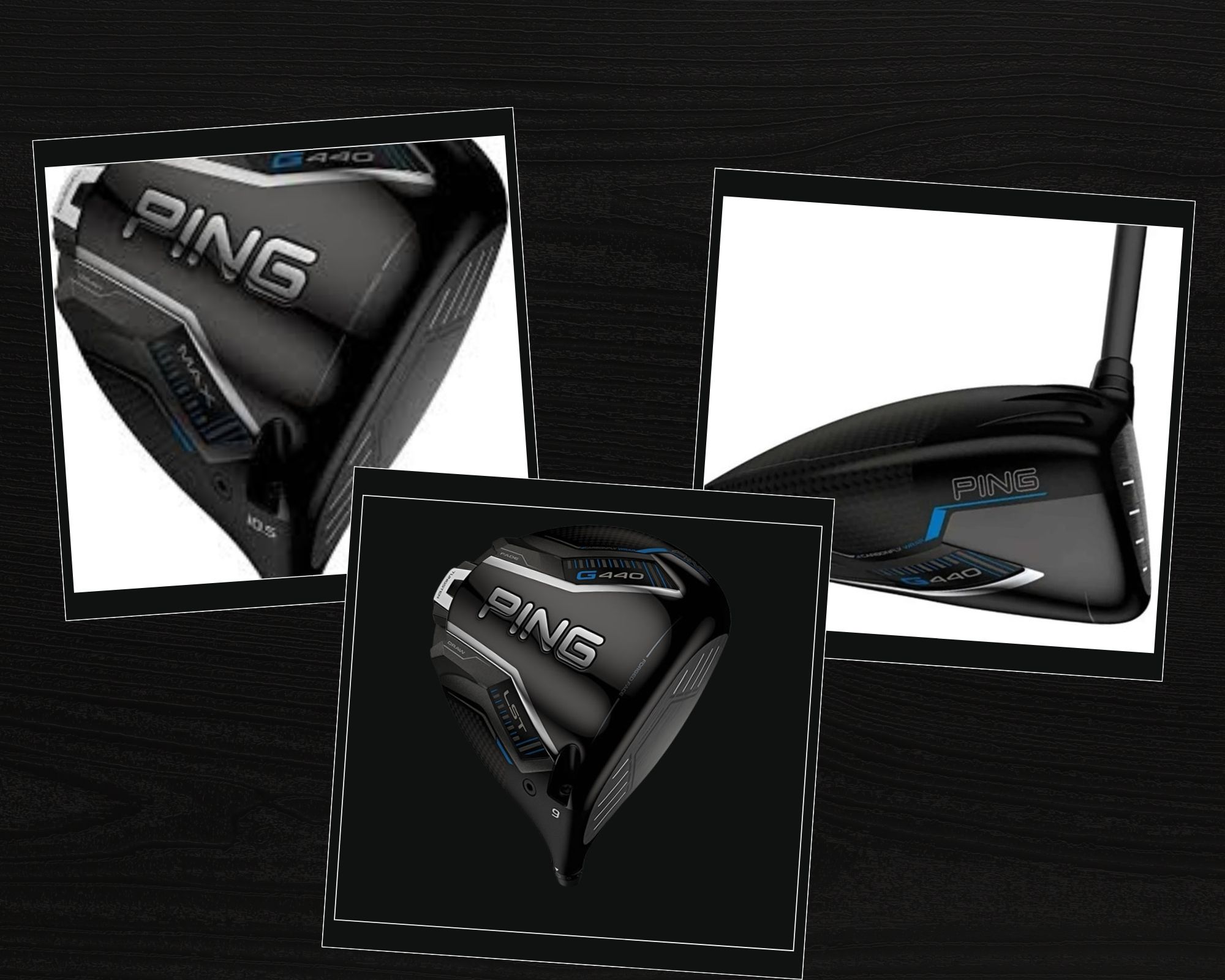
PING has long been known for creating some of the most forgiving drivers in golf, and their G440 series continues this tradition while adding significant distance improvements. Unlike manufacturers who release new products annually, PING takes a more measured approach, ensuring each new generation brings meaningful technological advances. The PING G440 release in 2025 follows the last release of the G430 line of drivers in 2023. The G440 family delivers more speed and distance through engineering advancements, including its lowest CG (center of gravity) ever in their driver line. This latest release addresses the evolving needs of modern golfers who demand both forgiveness and maximum distance.
The updated PING G440 driver offers several revolutionary technological enhancements over previous models including a thinner club face.

Get Smarter About Your Swing
Join thousands of golfers getting exclusive swing tips, club reviews, and gear guides straight to their inbox – before they hit the site.
PING G440 Updates
- Free Hosel technology: Engineers saved four grams from the hosel region, allowing them to redistribute weight for a more optimal center of gravity – moving the weight lower in the club.
- The PING G440 has the deepest center of gravity (CG) ever in a PING driver. It has a redesigned, shallower, and thinner face. Both of these work together to deliver enhanced energy transfer, stability, and playability. A deeper (lower) center of gravity helps a shot launch with higher trajectory while maintaining a relatively low amount of spin.
- Lighter, longer stock shaft: The standard shaft length was increased by one-quarter of an inch to 46 inches in PING’s Alta CB Blue shaft. This certainly won’t benefit all golfers – we personally recommend getting yourself fitted for a driver shaft and err-ing on the short side to reduce dispersion and maximize good contact.
- The titanium-alloy face is thinner and more flexible to optimize ball speed across a larger percentage of the face. This lighter and thinner face ends up producing a more muted and solid sound than previous iterations of their G series drivers.
Which PING G440 driver version (Max, LST or SFT) should I play?
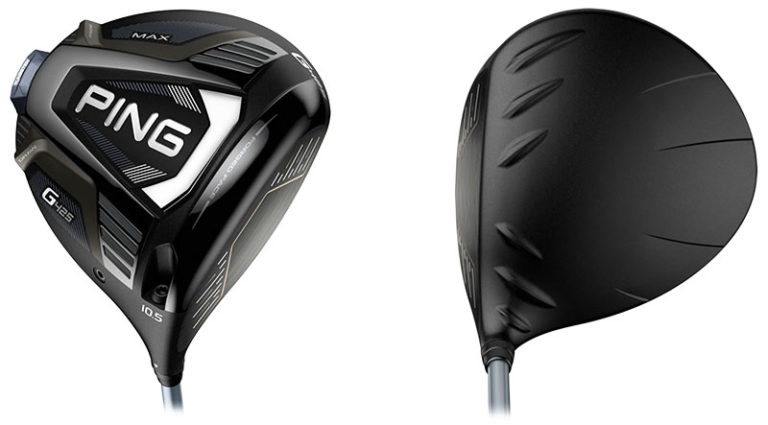
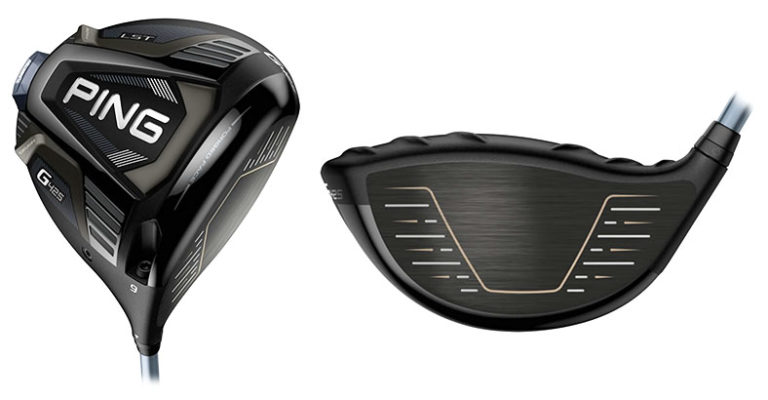
The PING G440 series offers three distinct models designed to meet different golfer needs and swing characteristics. The G440 Max focuses on maximum forgiveness and distance for a broad range of players. The G440 LST (Low Spin Technology) is engineered for golfers who generate too much spin and need a lower, more penetrating ball flight. This is often the choice for lower handicap and/or tour players. The G440 SFT (Straight Flight Technology) is specifically designed to help golfers who struggle with a slice by promoting a draw bias. Each model incorporates PING’s latest technology while being optimized for its target audience.
PING G440 Max
- Maximum forgiveness and stability
- 460cc head size for confidence at address
- For mid to high handicap golfers (hcp 8+)
- Lofts – 9°, 10.5°, 12°
- Fixed weights optimized for maximum MOI
PING G440 LST
- Low spin technology for penetrating ball flight
- 29g sliding tungsten weight for customization
- Smaller 440cc head for better workability
- Lofts – 8°, 9°, 10.5°
- For skilled golfers who generate high spin (hcp 5-15)
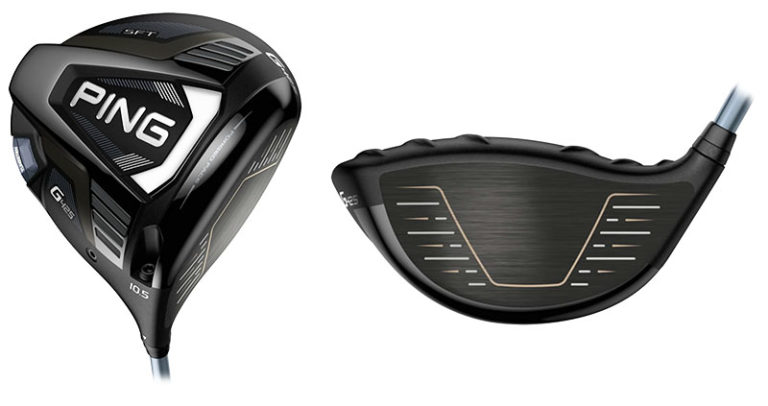
PING G440 SFT
- Straight Flight Technology reduces slice
- Draw bias weighting for right-to-left ball flight
- 3% lighter than LST for better control
- Lofts – 9°, 10.5°, 12°
- For golfers who struggle with slice or fade
Personal Testing & Opinions
After hitting the PING G440 and the G430 simultaneously I find them to play very similarly in terms of numbers and forgiveness. The main difference to me is the feel of the two clubs. With the new wrap and thinner face, the PING G440 sounds and feels more like a competitor’s driver. The G430 feels solid and more forgiving. Typically, I like the new evolution of clubs better than the former, but in this instance, I prefer the more forgiving and softer feel of the G430. That said, I had a little easier time launching the ball high in the air with the PING G440 driver. The higher loft, especially with drives struck low on the face, is a feature that helps to set the new model apart from former iterations.
What stands out to me in the testing I did below (hitting 15 balls) is that my average launch angle was 11.9 degrees. That’s probably .5-1 full degrees higher than I’m used to seeing from other drivers – which is evident in my carry distances. The spin (2539 rpm) is a bit high for me. This does lead to a stable ball flight, but you lose too much distance and can make playing in the wind difficult.
Watch
New videos every week on our youtube channel

We’ve also done a video review of the PING G440 Max with some live demo swings inside our golf simulator. Give it a watch for more insights into our review of the G440 Max driver!
FAQ
The PING G440 series features revolutionary Free Hosel technology that saves 4 grams of weight to allow them to lower the center of gravity. This is the deepest center of gravity ever in a PING driver. Additionally it has a thinner carbon fly wrap which allows for both a thinner face and crown of the club.
While PING hasn’t announced a specific tour version of the G440 like some manufacturers, the G440 LST with its 440cc head size, low spin characteristics, and sliding weight system is designed to meet the preferences of better players and tour professionals who prefer more workability and control. This comes at the expense of less forgiveness.
We would recommend the PING G440 Max for most golfers. This is the model with maximum forgiveness. If you generate too much spin and need a lower, more penetrating ball flight with adjustability options, the G440 LST is ideal. But, if you struggle with a slice or fade and need help getting the ball to draw, the G440 SFT’s draw bias weighting will help straighten out your ball flight.
Free Hosel technology is PING’s weight-saving innovation that removes 4 grams from the hosel area and redistributes it to optimize the center of gravity. This results in faster ball speeds, optimal spin rates, and higher launch angles for longer, straighter drives.

Leave a Comment