This post may include affiliate links. We do earn a commission for products purchased using these links (at no additional cost to you). Thank you for supporting Swing Yard, making the content you see on this blog possible. For more information, please see our privacy policy for details.
*Read our review guidelines.
Key Takeaways – Soaked Balls Give Erratic Performance
- Waterlogged golf balls deliver reduced distance
- Water-damaged golf balls launch lower than usual
- Water can penetrate a golf ball cover within 12 hours
- You cannot dry out a waterlogged golf ball
Stumbling across a trove of lake balls within reach of your ball retriever always feels like you’ve won the jackpot, but should you play these dimples? In this post, I answer a common question, can golf balls get waterlogged, and should you play them?
I’ll explain what happens when a golf ball lies in a lake for extended periods and whether you can salvage it. In addition, I’ll provide some tips for identifying unusual behavior from these golf balls.
Do Golf Balls Go Bad In Water?
Yes, golf balls go bad over time when soaked in water, including your launch, spin, flight, and total distance. When the ball cover is engulfed in moisture on a rainy day, it comes off the clubface hot due to a lack of friction. This produces limited spin and hampers your ball from biting on approach shots.
However, you can easily wipe off the wet golf ball and it will be just fine. The situation is dire if it is waterlogged, as h20 has impacted the inner workings of the construction, scarring it permanently. As a result, I’ve experienced these wet golf balls launching low, flying erratically, and landing shorter than usual.
How Long Does It Take For Water To Damage Golf Balls?
In my experience, leaving golf balls in water for three days led to minor damage, as I lost just under a yard off my average. It’s not much, but it shows that even a touch of h20 can impact the construction of a golf ball.
Vice Golf confirms this point with their research, which finds that water infiltrates the golf ball cover after being submerged for twelve hours. If the ball remains at the bottom of the lake for a week, you best prepare to hit a few yards shorter.
How Can A Golf Ball Get Waterlogged?
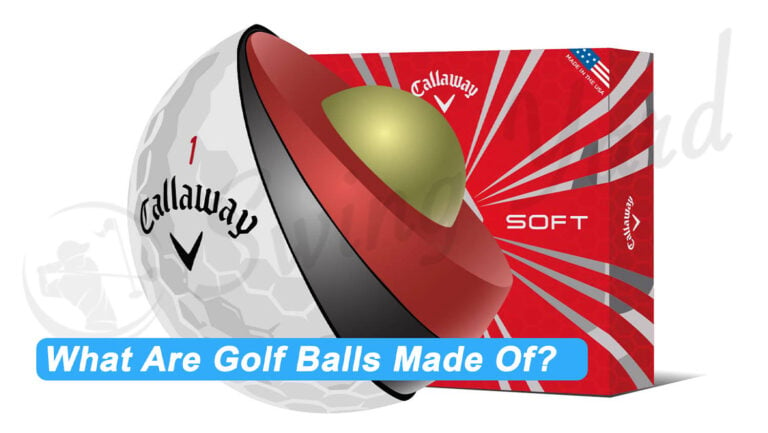
Golf balls get waterlogged because the liquid penetrates the moisture-attracting cover and soaks the moisture-shedding interior. Golf balls made of premium quality urethane golf balls are hydrophilic, meaning they attract water. This helps your ball perform unhindered in wet weather, but implodes when exposed to water for prolonged periods.
The moisture-attracting hydrophilic material eventually becomes saturated with h20 and enters the inner workings of the golf ball. A core and mantle are hydrophobic, meaning they repel water to prevent damaging the delicate engine of the golf ball. However, when a ball sits in water for days or weeks, it loses its hydrophobic ability.
I find lake golf balls are heavier than standard designs as the cover and rubber core are completely drenched in water. You may find a few golf balls in this condition produce lower than intended launch and erratic ball flight due to the imbalance structure.
I’ve noticed waterlogged balls become stiffer than usual because of the excess water and weight. In my experience, that reduces compression off the clubface at contact, resulting in less spin and ball speed for a low uncontrollable golf shot.
How To Tell If A Golf Ball Is Waterlogged
Just by looking, it is not easy how to tell if a golf ball is waterlogged. However, if you notice the ball launches abnormally low and reduces yardage, these are two tell-tale signs it has endured water damage. There are three additional methods that I have included below to better identify a waterlogged golf ball.
I suggest employing a launch monitor to provide a more accurate insight into the launch, distance, and golf ball flight, as well as playing with the best ball for distance.
Total Yardage
Most golf balls that have spent extended periods in a lake are bound to deliver reduced distance compared to a new brand new golf ball. In my case, I lost close to a yard after my balls sat in the drink for three days.
Vice Golf backs up this point by explaining that a week-old wet golf ball will travel five to ten yards shorter than a golf ball in a suitable condition. In addition, the German golf ball manufacturer has shown that golfers lose twenty to thirty yards after three months at the bottom of a golf course lake.
Get Smarter About Your Swing
Join thousands of golfers getting exclusive swing tips, club reviews, and gear guides straight to their inbox – before they hit the site.
Finally, Golf Digest ran its own test in 1996 with a two-piece golf ball that had spent eight days in water. The test subject hit tee shots with a new golf ball, and the water ruined constructions and found the latter traveled 5.8 yards shorter after eight days in water.
Color
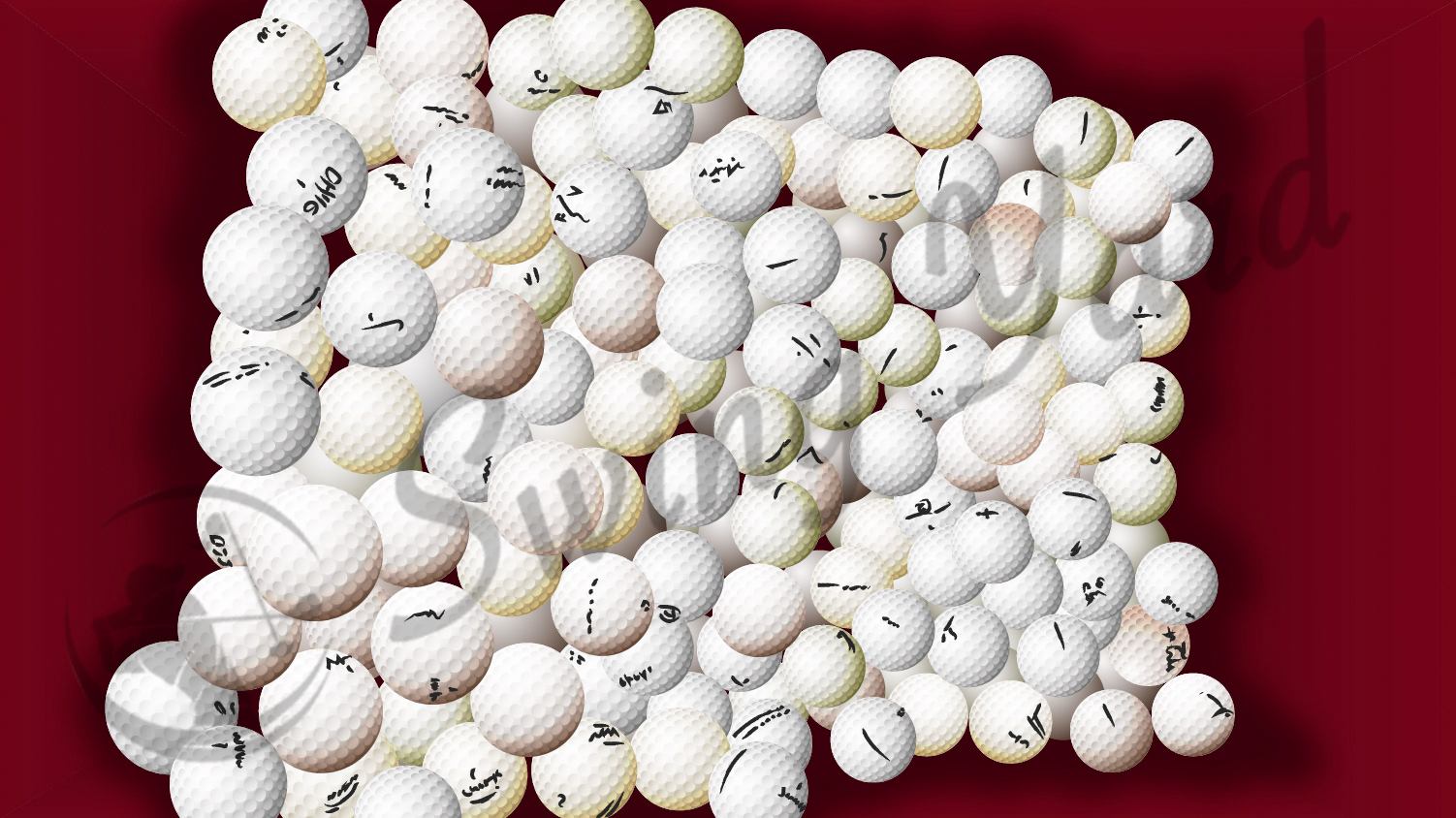
When I see a brownish-yellow tinge on golf ball covers, it has spent a deal of time in the drink. These old golf balls make you significantly lose distance than other golf balls. By this stage, they are rock-hard and produce limited compression off the clubface.
Less Compression
Maximum compression off the golf club helps you produce supreme ball speed and reduce spin when playing golf. The result of optimal compression, accelerated ball speed, and low spin is increased distance off in your long game.
Unfortunately, used golf balls with water damage carry a stiffer core and internal structure, leading to limited compression. I find these golf balls provide decreased velocity, fly low and cause me to lose total distance. Read my article on how to compress the golf ball like a pro if you want to learn more.
Low Launch
I’ve found the average golfer performs best with equipment that offers a higher launch for consistent ball flight and carry distance. However, when water ruins golf balls, they launch lower than usual because it is heavier and stiffer, resulting in a loss of compression at impact.
If you struggle to produce the launch and ball flight you desire, the golf ball has probably been water damaged.
Erratic Ball Flight
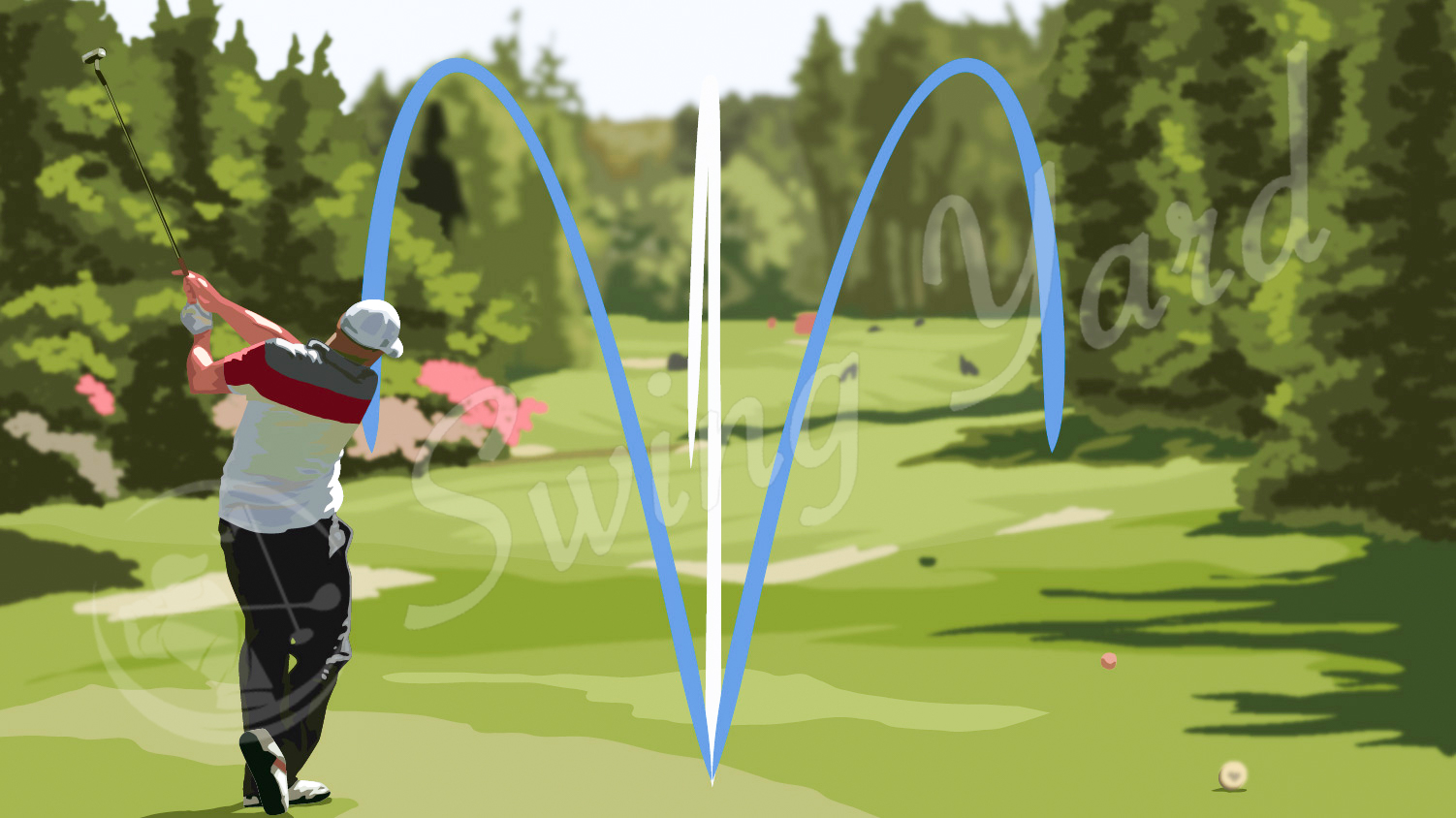
Erratic ball flight is another challenge I’ve endured with water damaged modern golf balls. The damaged golf ball core and cover are unbalanced and struggle to maintain their slipstream through the air. In my experience, this doesn’t allow for the best golf ball to hit straight and causes the ball to produce shapes you never thought were possible.
Sinks In Salt Water
The final way to identify moisture damage in recycled golf balls is to activate the old salt water test to see if your golf ball floats or sinks. A regulation ball contains a higher density than water, with a ratio of 1.09 grams/milliliter. Conversely, freshwater sits at 1.00 grams/milliliter, making a golf ball heavier, which causes it to sink.
However, the story is different with salt water as I found its density the same as a golf ball. If the solidity of the two objects is equal, the golf ball should float. Except, a golf ball with water damage carries a higher density and sinks in salt water.
FAQ
No, waterlogged balls can’t dry out, even if you employ the high temperatures of an oven. In 1998 study by the US Army Research Laboratory, high temperatures make it difficult for golf balls to release moisture from their internal components, leading to permanent damage.
Even if the high temperatures dried the golf ball out, they still created damage of the ball cover. This leads to reduced friction, and less spin and ball speed off the clubface.
According to multiple sources online, a golf ball can become waterlogged after lying in water for twelve hours. After that point, the water penetrates the cover and enters the mantle and the golf ball core, impacting its structure.
In my experience, golf balls showed the effects of water damage after soaking them for three days. When I took them out onto the golf course, I lost almost a yard compared to my average distance.
No, Waterlogged golf balls should be avoided if you seek high ball speed. Their decreased compression off the clubface leads to slower ball speed, a lower launch, and reduced yardage.
However, average golf player, not phased by optimal performance, will be content knocking a waterlogged ball around the course.
Final Thoughts: Do Golf Balls Get Waterlogged? Yes!
Based on the tests I ran and the research conducted by those before me, golf balls definitely get waterlogged and impact your performance.
The most significant impact of waterlog is the reduced yardage delivered because of additional mass and limited compression. It does not take long for water to destroy a new ball. In my case, three days of contact with h20 cost me a yard off my average distance.
Finally, waterlogged balls launch lower than usual and deliver an erratic ball flight to erode your control over every shot. The moral of the story: make sure to you’ve read my golf ball retrievers article so you won’t lose any!
Watch
New videos every week on our youtube channel



Leave a Comment