
This post may include affiliate links. We do earn a commission for products purchased using these links (at no additional cost to you). Thank you for supporting Swing Yard, making the content you see on this blog possible. For more information, please see our privacy policy for details.
*Read our review guidelines.
How to Read A Green In Golf – Key Takeaways
- Reading greens will become easier over time
- Paying attention to the entire green is the best possible way to read a green
- The green reading process does not need to take a long time, keep the pace of play moving
Have you ever struck a putt perfectly and had it miss the hole? This happens all the time, and most of it has to do with reading the greens incorrectly. When learning how to read greens, there are some basic tips you will need to do it properly.
Green reading changes based on the course you are playing, as well as the length of the putt. I’m going to give you my best information on how to read greens better so that you can make more putts the next time you head out to play.
7 Tips For How To Read A Green In Golf (Effectively)
There are a variety of green reading methods that you can try, but first, you must know what you are looking for. Whether you have long putts or short ones in front of you, here is where you start learning how to read a green in golf.
#1. Look At The Entire Green
If you look at your putt from the ball to the hole, you are missing out on the majority of the information you need. As you approach the green, you should be looking at the entire shape.
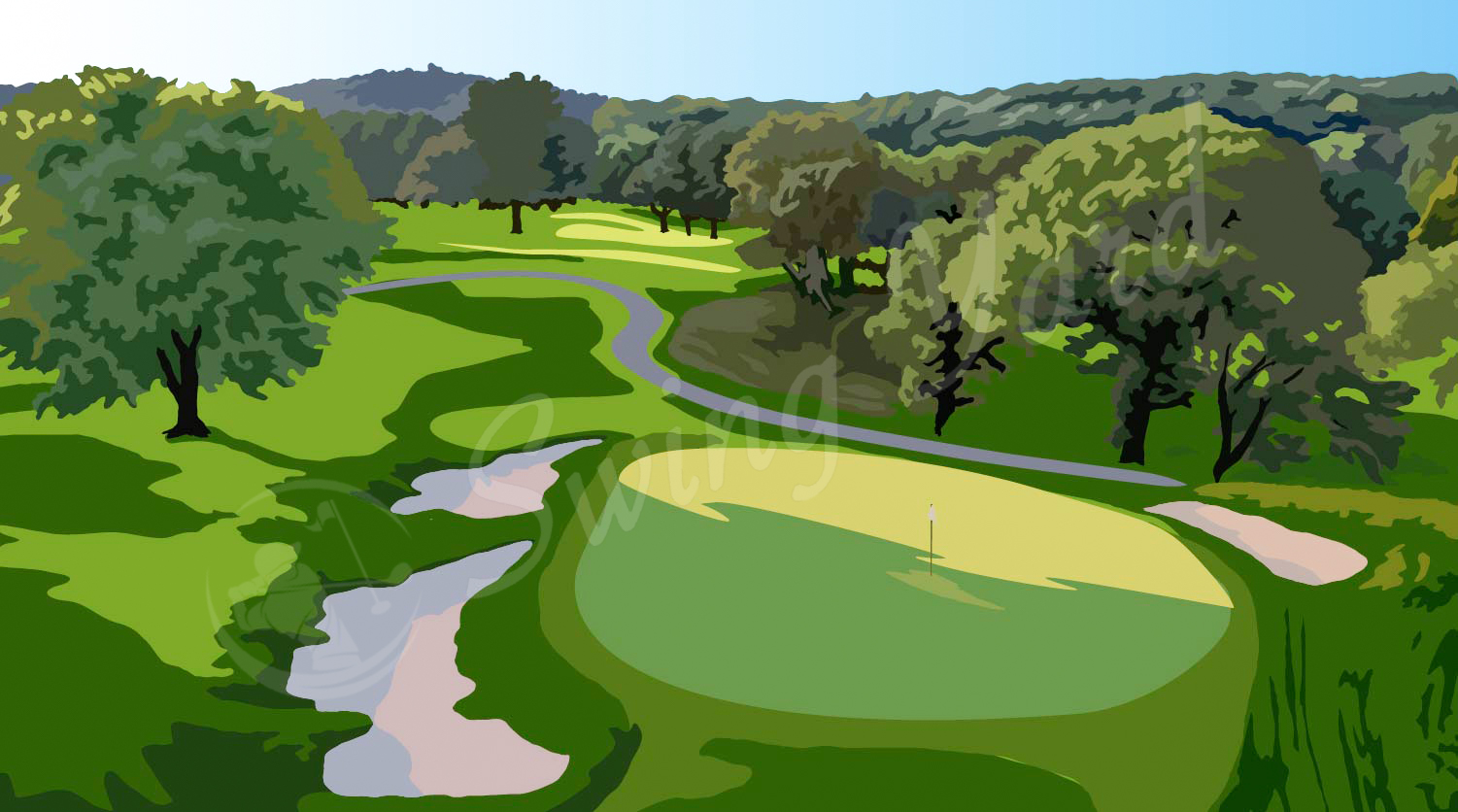
Many amateur golfers focus too intently on their actual putt, but you can learn so much about speed and slope if you look from the front to the back of the green as you approach.
It’s also smart to look at the entire green to ensure your approach shot ends up close to the hole (and keep clear of a water hazard penalty)!
#2. Walk To The Hole And Back
Walking to the hole allows you to feel how far the putt is. Your brain will absorb the information about the length of the putt, and it will be able to translate that into a putting stroke.
This doesn’t happen overnight.
However, I know that if I walk up to a green and don’t walk around the hole, I will completely misjudge the speed of the putt.
Add this walking back and forth to the hole into your pre-shot routine.
#3. Get Down To A Lower Level
It is easier to see the slope of the green when you are on your knees. The angle you get will help you determine if you have uphill putts or downhill putts and if there is a break to the left or right.
Trust your first instinct as you look at the hole. If you think the left side looks higher right after you look at it, chances are it is. Many golfers second guess themselves, and they would make more putts if they trusted their read.
#4. How to Read Grain on Greens
If you play golf courses with Bermuda grass greens, chances are you will have to incorporate grain into some of the green reading you do. Many people over-complicate grain when they really don’t need to.
- If the grass looks shiny, you are putting with the grain, and the ball will roll faster and break more
- If the grass looks dull, you are putting it against the grain, and the ball will move slower and not break as much.
If you can’t see the shiny or dull side of a golf putt, take a look at the cup, and the edge where it is slightly browned out is likely showing you which way the grain is heading.
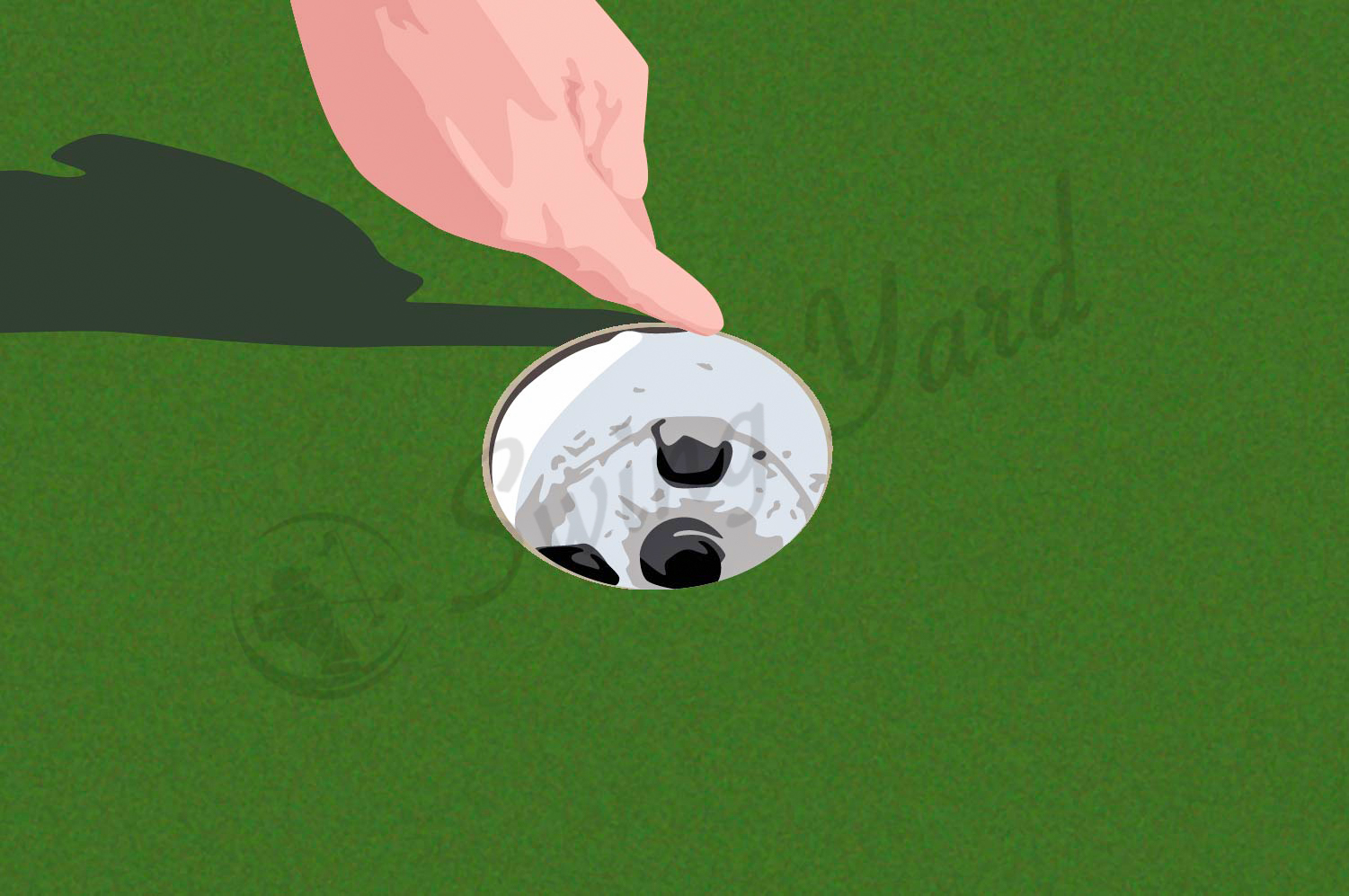
Grain is essentially the way that the grass grows, and you should play around with this concept during putting practice to fully understand how it works and how it impacts your putting stroke.
#5. Pay Attention To Everything
You should be watching what other golfers are doing. This is a critical skill when you want to become a better putter.
Get Smarter About Your Swing
Join thousands of golfers getting exclusive swing tips, club reviews, and gear guides straight to their inbox – before they hit the site.
If a golfer has a putt that breaks right to left, you now know what happens near the hole. Pay attention to the overall slope in your area, pick a perfect line, and then copy what the other player did. One of the best green reading skills is to simply be observant and smart about what you are doing.
The putting surface is the same for all golfers, but some are better at reading it than others. As a side note, you should be trying to pick up more subtle things like putter neck type or if they’re using a face balanced or toe hang putter.
#6. Don’t Read It If You Aren’t Going To Trust It
After you have spent time walking behind the hole, crouching down, and determining if you have any grain to deal with, you must trust your line and your putting technique. Lack of confidence can get to be a huge issue, especially if you don’t know how to read putting greens.
If you read that a putt had more than one break, trust it when it comes time to sink the putt. You have to learn to control distance and perfect aim, but if you don’t trust the read you just made, don’t expect the golf ball to go in the hole.
#7. Reading Golf Greens Is All About Speed Control
The faster you hit the ball, the less it will break. But when it starts to slow down, it will break much more (assuming there is break, or an incline, in the putt).
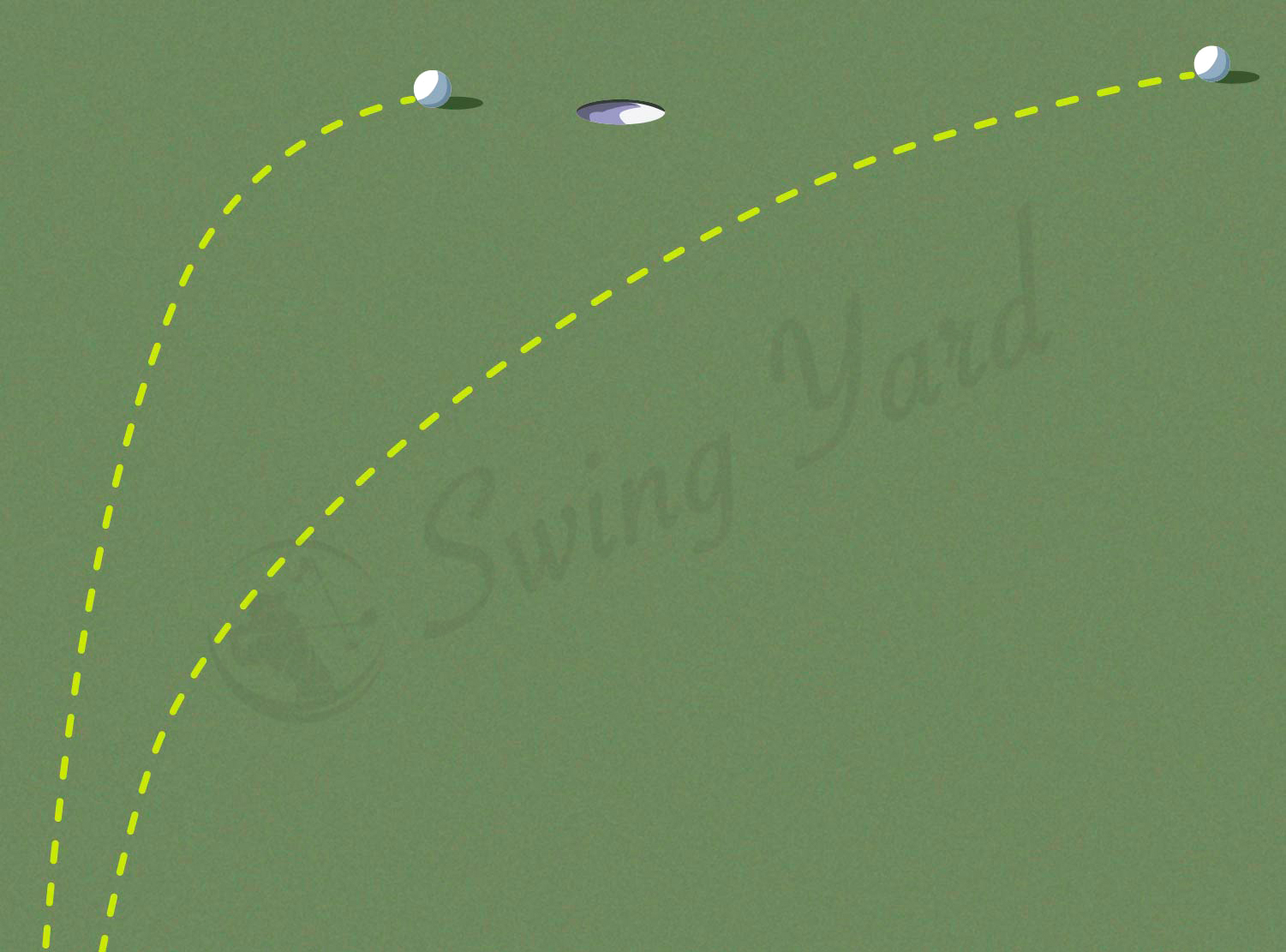
Hitting a putt that has a lot of speed to the back of the cup could take the break out of it. When you read putts, make sure you take into consideration that your speed is going to have a direct impact on how the ball moves on the green.
If you like to roll it kind of slow, make sure that you leave room for more breaks. If you hit putts with a bit of speed, you may read a little less break in the putt.
Reading Greens 101: Two Proven Methods
Although I like the standard method of standing behind the ball and then walking around the cup to read most putts, there are other methods out there that many golfers will try. Two of the most common ways that players learn how to read greens are Aim Point and Plumb Bob putting.
Aim Point Putting
Aim Point putting allows you to feel the slope of the green under your feet and determine how much break to read based on this. The Aim Point method is popular among professionals and not a great choice for a beginner golfer.
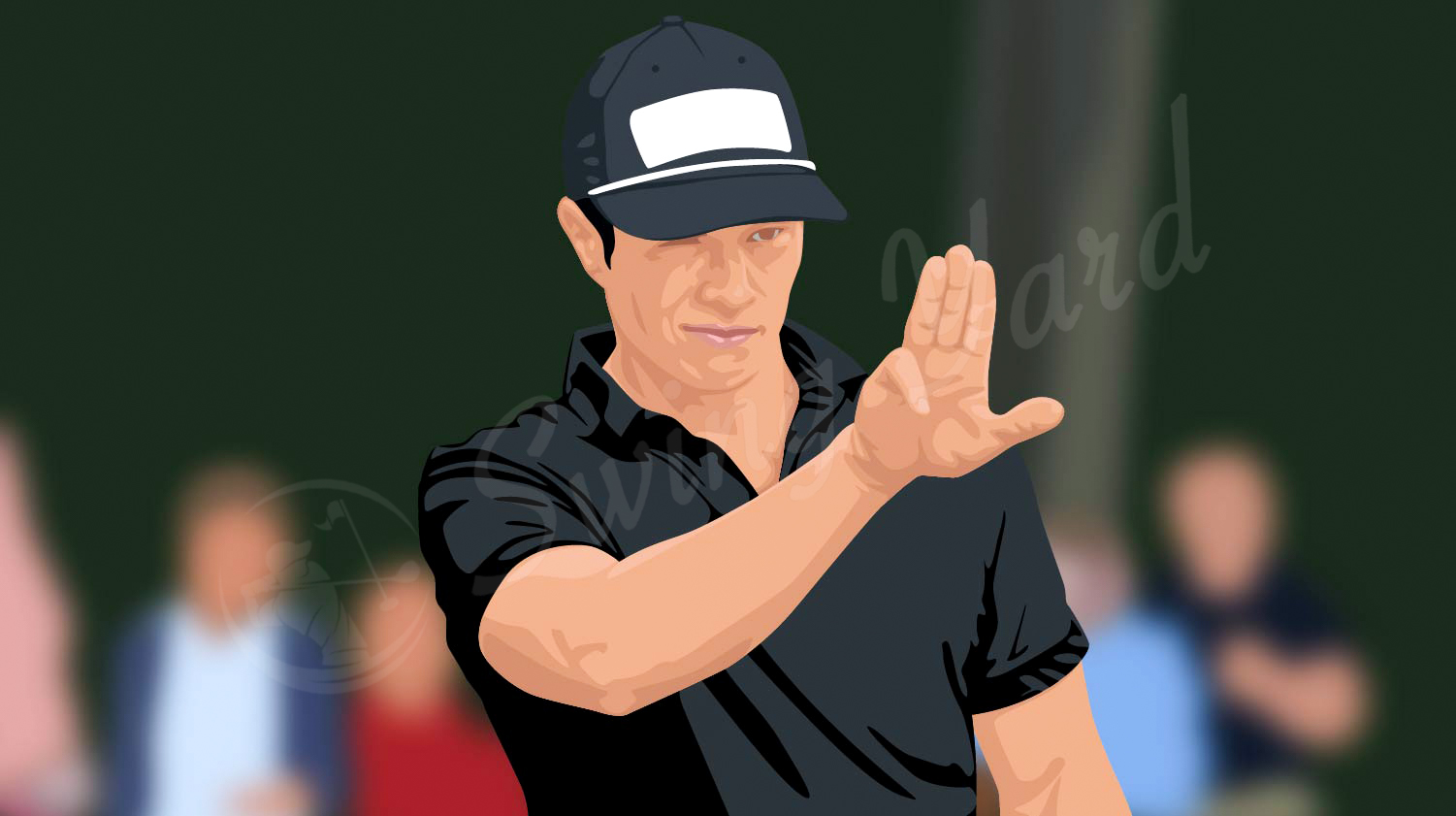
Once you learn Aimpoint putting, you can stand behind the ball with one or two fingers in the air and determine the grade or the amount of slope.
Take a look at our full Aim Point Putting guide.
Plumb Bob Putting
Plumb Bob putting takes an ancient tool and turns it into a device that can help golfers get a quick read on a complex green. The most important part of plumb bob putting is to ensure that you have a perfectly straight line with your putter.
This is a process you need to practice with on the green, but eventually, your putter will work as a level, allowing you to quickly see which side of the hole you should be putting the ball.
It will take some time to learn how to read putts like Tiger Woods, but if you know a bit about how slope works, and what grain looks like, and you can finally trust that line you chose, there is a chance the golf ball will go in the hole a little sooner. Great putters will tell you that knowing how to read a green is a skill that will continue to evolve, but once you understand it, the process is much less complicated than it looks.
FAQ – Green Reading Techniques
Here are commonly asked questions on how to read greens.
Faster greens tend to break a little more than slower greens. On short putts, you probably don’t want to aim outside the hole, but on long putts, you will have to incorporate a significant amount of break into the putt.
Take a look at the golf hole while crouching down behind your ball. You will notice that the hole is either higher or lower than you, and you can determine if you have a downhill or uphill putt. In addition, by looking at the hole, you can see which side of the hole is higher and then putt it to the highest point to have it drop into the hole.
A green map will show you how most greens are built and where the most break is. The green maps are especially helpful when using the aim point-putting method. In addition, you can use the green map to help hit your approach shot closer. Green maps show you the highest and lowest points on the green and where you should be aiming your putts.
You can read a putt the traditional way by standing behind the ball and looking down the line, but you can also do the Aim Point or Plumb Bobbing method if you find the green complex.
Reading greens and reading them well should be part of your putting routine. If you don’t have an idea of the general slope and how to read grain, you are kind of guessing every time you make a putting stroke.
Final Thoughts – Learning How to Read Putts Will Elevate Your Game
It will take some time to learn how to read putts like Tiger Woods (and his caddy), but if you know a bit about how slope works, what grain looks like, and you can finally trust that line you chose, there is a chance the golf ball will go in the hole a little sooner. Great putters will tell you that knowing how to read a green is a skill that will continue to evolve, but once you understand it, the process is much less complicated than it looks.
Watch
New videos every week on our youtube channel

Leave a Comment